Turkey’s Treasury to Pay 660 Billion Lira to Government-Favored Contractors Under Build-Operate-Transfer Guarantees
 kopru-otoyol
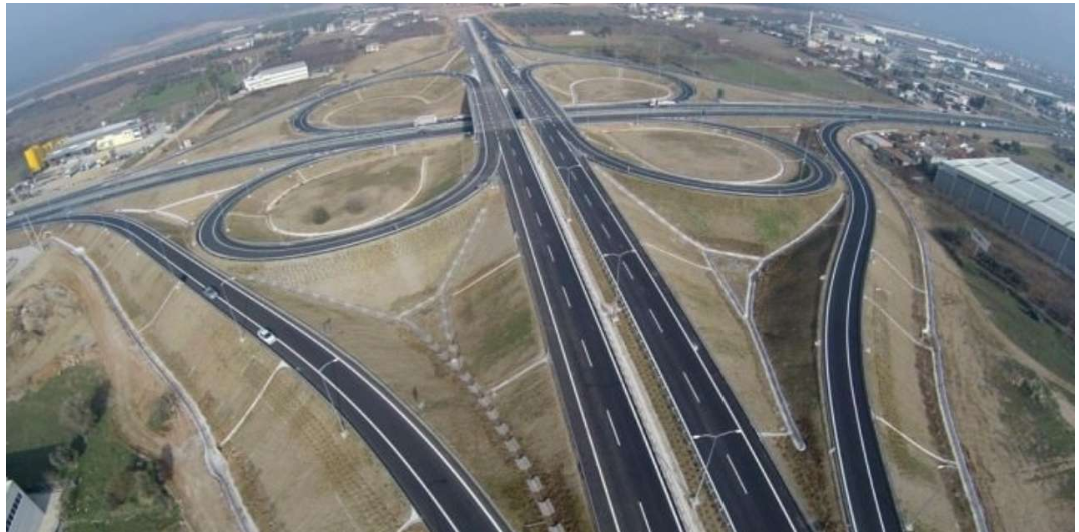
Massive payments under the Build-Operate-Transfer (BOT) model continue to burden Turkey’s budget as Treasury-guaranteed “megaprojects” enrich politically favored contractors. CHP lawmaker Mustafa Sarıgül says total payments will hit 660 billion lira by 2026 — a staggering cost for bridges, tunnels, and highways that citizens rarely use.
Treasury burden from “guaranteed projects” keeps growing
Despite mounting public criticism, the government continues to honor revenue guarantees to a small group of construction conglomerates known for their close ties to the ruling AKP.
Under the BOT system, private companies build infrastructure such as bridges, highways, and tunnels, operate them for a fixed period, and receive Treasury-backed guarantees on traffic or usage.
When fewer vehicles cross than promised, the state compensates the companies for the shortfall — meaning the Treasury pays “whether citizens pass or not.”
CHP’s Sarıgül: 660 billion lira in 12 years
According to data compiled by CHP’s Erzincan deputy Mustafa Sarıgül, the Treasury’s total guaranteed payments to BOT contractors between 2017 and 2025 have already reached 282 billion lira.
An additional 377 billion lira is projected over the next three years, bringing the 12-year total to 660 billion lira.
“No one can keep up with this speed of enrichment,” Sarıgül said.
“With the same budget, the state could have built two of each project itself. Instead, it keeps filling the pockets of cronies while citizens struggle below the hunger line.”
Paying for passing — and for not passing
In 2019, Treasury payments under BOT guarantees totaled 5 billion lira. By 2026, they are expected to rise to 101 billion lira, a twenty-fold increase in just seven years.
For the first six months of 2025, payments already amounted to 42 billion lira, with the full-year projection at 94.6 billion lira.
Critics highlight how exchange-rate fluctuations and foreign inflation indexes — built into BOT contracts — multiply Treasury liabilities. Payments are pegged to the U.S. dollar and adjusted each year according to European inflation, regardless of domestic conditions.
Background: The BOT model and its political legacy
The Build-Operate-Transfer model became a hallmark of Turkey’s infrastructure policy during the AKP’s two-decade rule. While it enabled rapid construction of high-profile projects like the Osmangazi Bridge and Istanbul’s Third Airport, it also created a quasi-privatized system of public finance.
Economists warn that these “public-private partnerships” have effectively shifted foreign-exchange risk from contractors to taxpayers, making Turkey’s fiscal position more fragile.
The government’s insistence on honoring guarantees — even amid soaring inflation and falling real wages — has become a lightning rod for opposition parties, who see the BOT program as a symbol of crony capitalism.
Public outrage over widening inequality
Ordinary citizens, meanwhile, continue to bear the brunt of inflation, low wages, and shrinking purchasing power.
Sarıgül stressed that, “while the public pays taxes and struggles to survive, the state transfers hundreds of billions to the same privileged firms each year.”
He concluded:
“This system is no longer about development — it’s about enrichment. It’s time to stop rewarding failure and start protecting taxpayers.”
Related articles
Ankara and Iraq engage in talks to strengthen security cooperation
Turkish Appeals Court Upholds Prison Sentence and Political Ban for Istanbul Mayor Ekrem İmamoğlu
OPINION: Özel throws down the gauntlet, claims CHP will win next election big