CBRT Governor Karahan: “Gold Hoarding Weakens Inflation Fight”
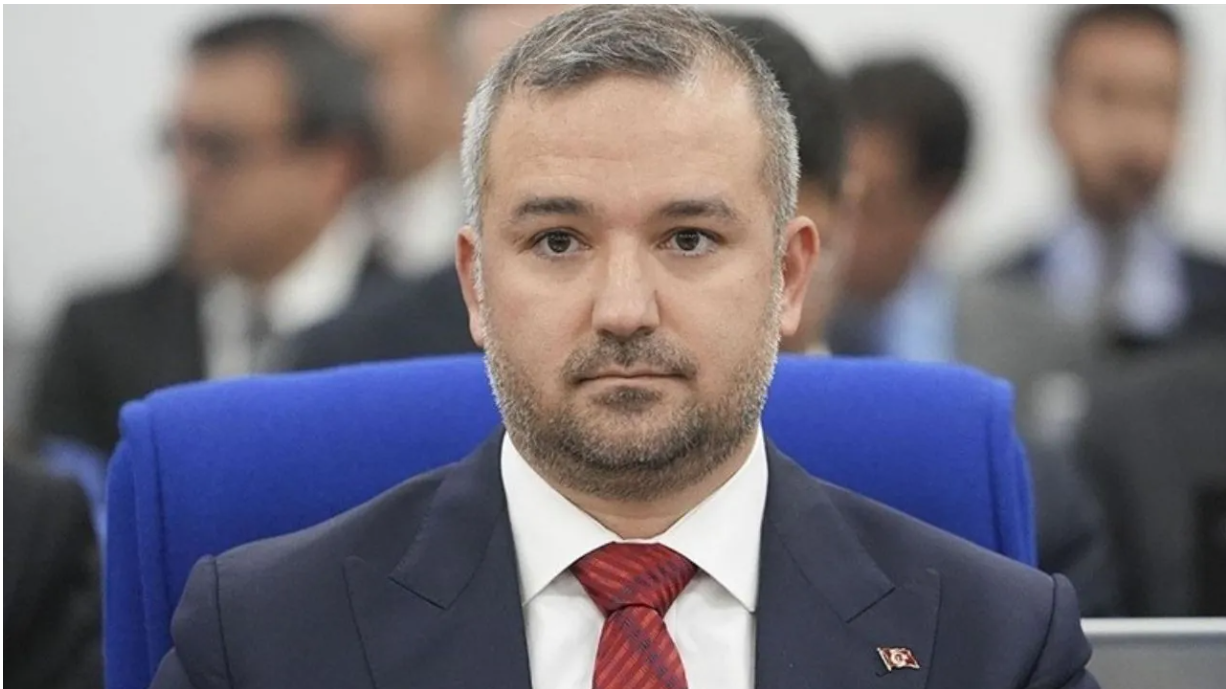 fatih karahan
At a panel in Amsterdam, Central Bank of Turkey (CBRT) Governor Fatih Karahan said that Turkey’s vast household gold hoards—worth an estimated $500 billion—are undermining monetary policy and complicating efforts to bring inflation under control.
Karahan: Gold Demand Fuels Inflationary Pressures
Speaking at the farewell event for ECB official Klaas Knot, Karahan argued that intense demand for gold has created a “wealth effect,” boosting household consumption and making inflation stickier.
“Gold demand weakens our fight against inflation,” Karahan said, warning that Turkish households’ preference for physical gold reduces the effectiveness of monetary policy.
Karahan also noted that a weaker dollar typically benefits emerging markets, but in Turkey’s case, the strong preference for gold offsets much of that positive impact. He reiterated that the CBRT must “keep monetary policy tight for a while longer.”
Analysts: Wrong Messaging, Wrong Timing
International observers, however, were quick to push back. Tim Ash, senior strategist at BlueBay Asset Management, said blaming gold hoarding is not the right message for why inflation remains stubbornly high in Turkey.
Ash pointed to two structural problems:
-
Inflation in August and September came in above expectations,
-
The CBRT cut interest rates too aggressively, too soon.
“These factors undermined much of the hard-won credibility from mid-2023,” Ash argued.
He added that the governor’s message should be unequivocal:
“Our number one priority is fighting inflation. It is proving stickier than expected, but we are prepared to do whatever it takes—including further rate hikes if necessary.”
Capital Economics: More Cuts Still Possible
By contrast, London-based Capital Economics offered a more dovish outlook. Emerging markets economist Jason Tuvey noted that while headline inflation surprised on the upside, core inflation continues to decline, which could give CBRT policymakers confidence to proceed with rate cuts.
“We expect officials will press ahead with an additional 250 basis points of easing at upcoming meetings,” Tuvey wrote.
Atilla Yeşilada: A Smaller Cut Likely
PA Turkey’s own columnist Atilla Yeşilada expects the CBRT to cut rates this month as well, but perhaps by less than markets anticipate.
“Instead of the expected 250bps, the Bank may settle for 150bps,” Yeşilada noted, adding that next week’s seasonally adjusted inflation data and the CBRT’s upcoming Inflation Report will be key to watch.
Public Sector’s Role Will Be Critical
Analysts also warn that the government’s approach to year-end wage hikes will determine whether disinflation efforts succeed.
-
The purchasing power of the minimum wage is set to fall by around 30% this year.
-
If the government fully compensates this loss with a large wage hike, consumer prices could climb back toward 30% in 2026.
-
A more moderate raise in the 16–20% range would align with the CBRT’s inflation target but carry heavy political costs.
In other words, without strong fiscal support and wage discipline, monetary policy alone will struggle to tame Turkey’s inflation spiral.
Related articles

Erdogan: Turkey will impose measures to shops charging excessive prices

Naci Agbal becomes global news
Economist Mustafa Sonmez: Turkey’s central bank mulls giant interest rate hike up to 10% to fight inflation