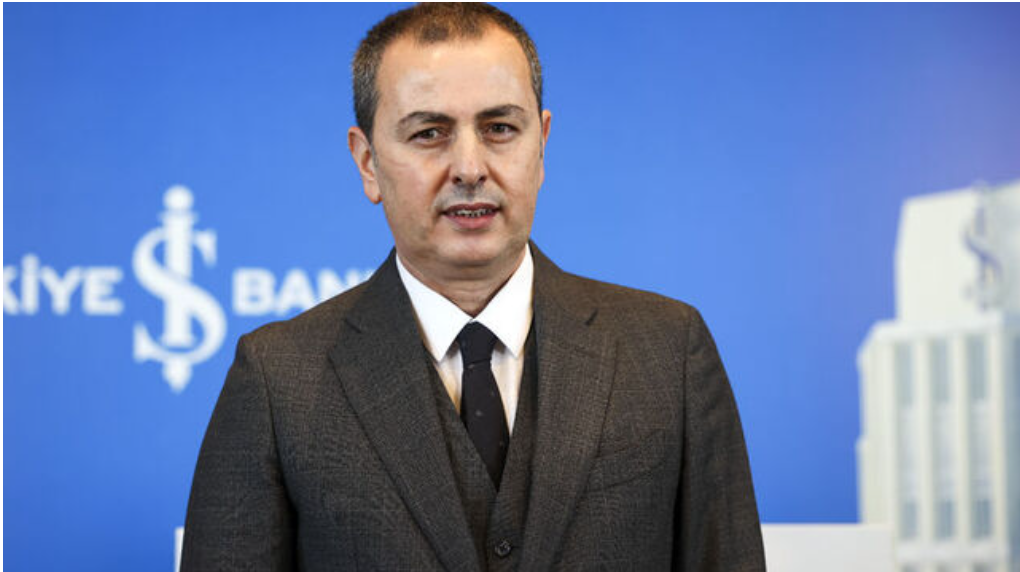
Scandalous Testimony: Can Holding Nearly Acquired Türk Telekom
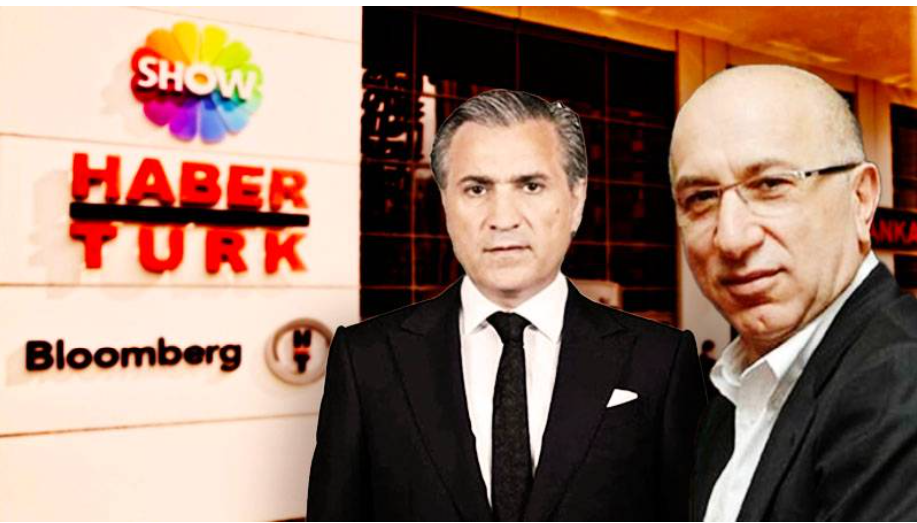 kemal can turgay ciner
In what could become the largest money laundering bust in Turkish history, the testimony of Can Holding owner Kemal Can has revealed shocking details about state-backed acquisitions and even an aborted attempt to purchase Türk Telekom.
Can Holding Under Fire
The Istanbul Chief Public Prosecutor’s Office has accused Can Holding of smuggling, money laundering, and fraud in a sweeping investigation that has led to multiple arrests and detentions. Among those detained were Kemal Can himself and other senior executives, while Ciner Group companies were placed under state trusteeship.
Authorities claim hundreds of millions of dollars in illicit funds were laundered through controversial acquisitions in the media, education, and higher education sectors. If proven, prosecutors say, this could represent the single largest money laundering case in modern Turkish history.
Türk Telekom in the Crosshairs
The most explosive revelation came from Kemal Can’s own testimony. He admitted that at one point Can Holding was steered toward acquiring Türk Telekom, Turkey’s largest telecom operator, without any upfront cash.
“Initially, there was guidance for us to buy Türk Telekom through financial engineering, using bank loans instead of direct cash payment. We were encouraged to move forward due to our ‘corporate vision and long-standing reputation.’ The outbreak of the Russia-Ukraine war shifted priorities toward Turkcell, but once both Türk Telekom and Turkcell were absorbed into the sovereign wealth fund, we were directed instead to acquire Doğa Koleji,” Can stated.
The mere suggestion that Türk Telekom, a company critical to national infrastructure, could have ended up in the hands of a family now accused of smuggling and laundering billions, has sent shockwaves through Turkey.
Media, Education, and Universities Acquired Under “State Guidance”
Kemal Can also testified that the purchases of Ciner Media Group (which included Habertürk and Show TV), Doğa Koleji, and Bilgi University were all made following “guidance” from senior state officials.
For Doğa Koleji, Can said they ultimately paid $570 million despite the institution being deeply indebted at the time. Bilgi University, one of Turkey’s largest private universities, was acquired for $90 million from U.S. ownership, reportedly with government encouragement.
Savcılık documents allege that these acquisitions were used as vehicles to launder illicit funds, with proceeds from smuggling and black-market trade funneled through ostensibly legitimate purchases.
Political Protection?
Perhaps most troubling, Can argued that the leadership structures of institutions such as Bilgi University included individuals closely tied to the Presidency. “If I was laundering money or running an organization, how is it that figures so close to the Palace are sitting on our boards?” he asked, pointing to examples such as Ege Yazgan, rector of Bilgi and a member of the Presidential Economic Policy Council, and Ahmet Selim Köroğlu, a presidential adviser.
A Test Case for Turkey
The Can Holding scandal has now widened to include Turgay Ciner, one of Turkey’s most prominent businessmen, whose son and senior executives were detained last week. Prosecutors allege that $350 million in cash was moved “in suitcases” during the transfer of Ciner Media to Can Holding — a transaction they believe was funded by laundered money.
If the charges are upheld, legal experts say this case could surpass all previous financial crime scandals in Turkey in both scale and political sensitivity, raising deep questions about how state-sanctioned acquisitions and strategic assets like Türk Telekom were nearly handed over to groups now facing charges of organized crime.
Related articles
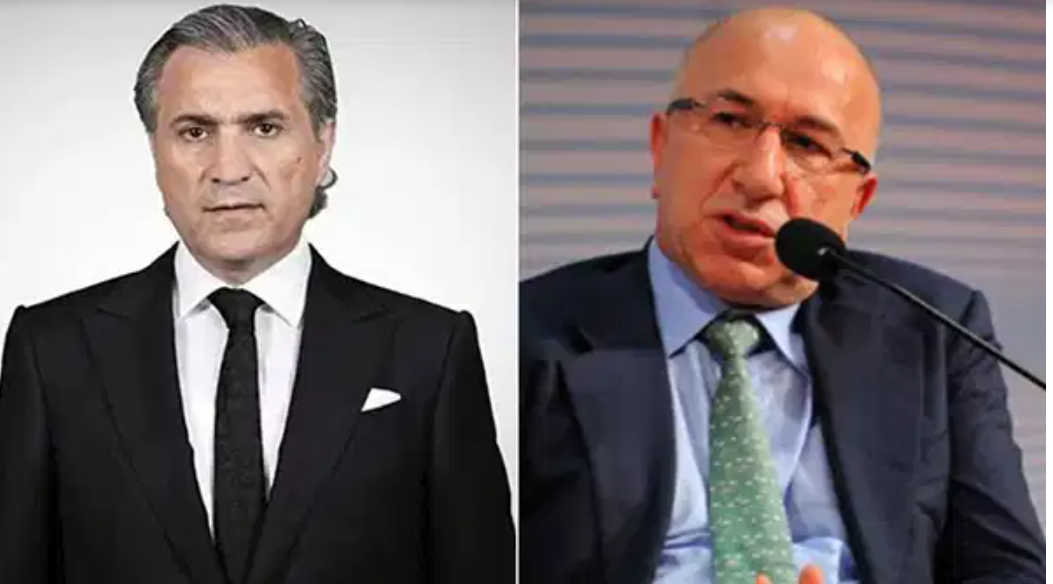
SHOCKER: Arrest Warrant Issued for Turgay Ciner as Can Holding Probe Widens
Money Laundering Probe: Arrest Warrants Issued for 85 People, Including Denizbank and Şekerbank Employees
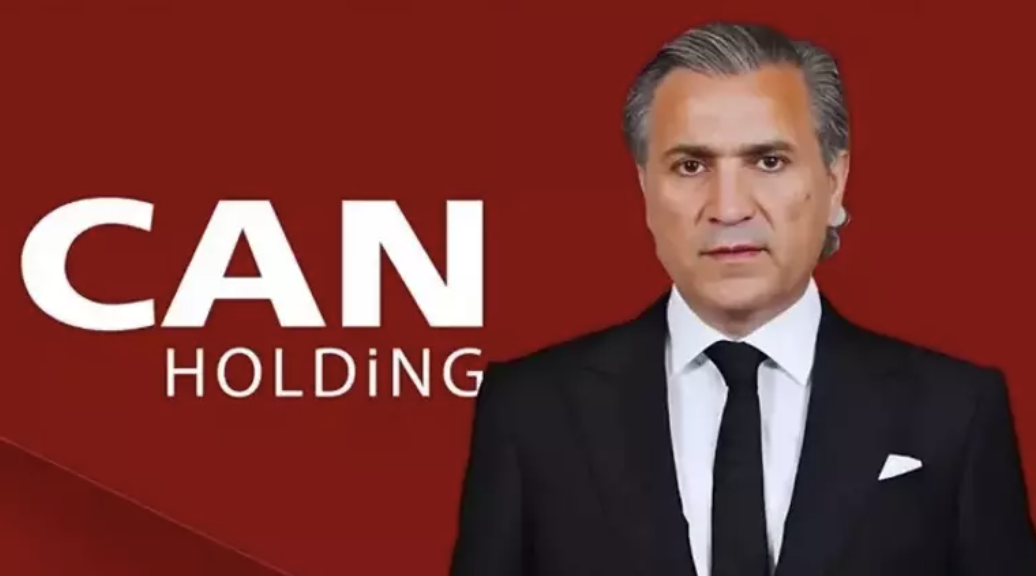
Massive Crackdown on Can Holding: 121 Companies Seized, Top Executives Face Criminal Charges