Turkey Inflation at 33%: Civil Servants and Retirees’ January Raise Calculated
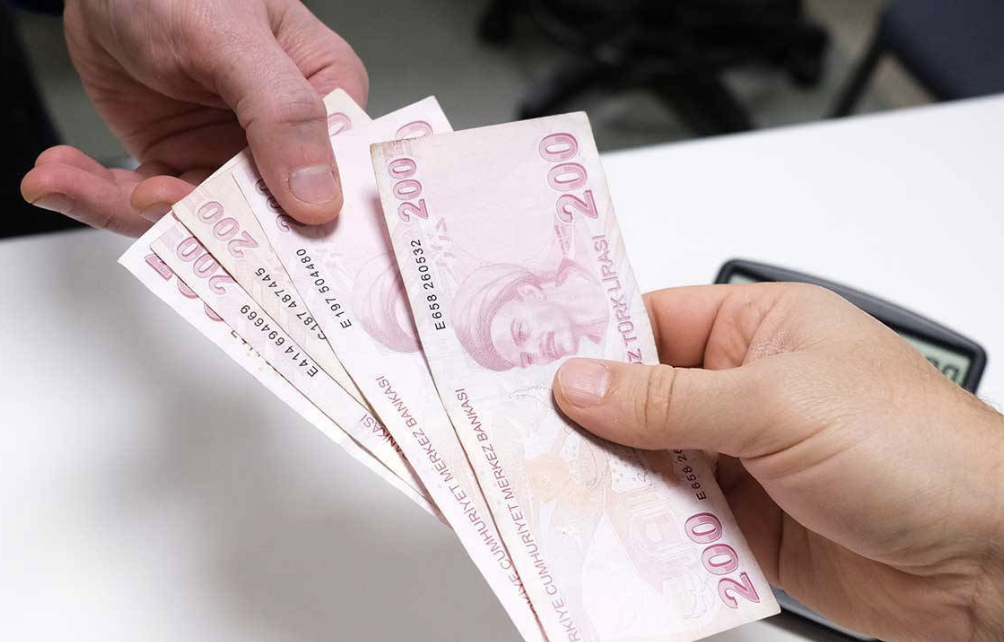 Wages in Turkey
The Turkish Statistical Institute (TÜİK) has published its September 2025 inflation data, a release that directly impacts millions of civil servants, retirees, and workers. According to the report, consumer prices rose 3.23% on a monthly basis, while annual inflation climbed to 33.29%. With these figures, the 3-month cumulative inflation rate—a key determinant of public sector wage adjustments—was calculated at 2.38%.
Inflation and Its Impact on Salaries
For civil servants and civil servant retirees, the inflation difference forms a crucial component of their annual wage increases. Based on the July, August, and September inflation data, the 3-month difference now stands at 2.38%. This figure will be added to the 11% collective bargaining increase scheduled for January 2026. The final adjustment will be determined once the remaining inflation figures for October, November, and December are announced.
SSK and Bağ-Kur Retirees See Higher Interim Increase
For retirees under the Social Security Institution (SSK) and Bağ-Kur, the adjustment is calculated over a six-month period. The first three months of this calculation (July–September) show a 7.50% cumulative increase. Their final raise, like that of civil servants, will be set once the last quarter’s inflation data is released.
Broader Economic Context
The inflation figures underline persistent pressures in Turkey’s economy. While September’s 3.23% monthly rate may appear moderate by local standards, it compounds the cumulative burden on households and directly influences government spending on salaries and pensions. For millions of workers and retirees, the January adjustment represents not just an economic statistic, but a lifeline against eroding purchasing power.
The gap between TÜİK’s official data (33.29% annual inflation) and ENAG’s alternative calculation (63.23%) continues to fuel debate about the accuracy of official reporting. While policymakers highlight the importance of credibility and disinflation strategies, unions and opposition groups point to the higher independent figures as a sign that households feel far greater pain than reflected in the official CPI basket.
Outlook for January 2026
With three months of inflation still unrecorded, the eventual January wage adjustment remains uncertain. Economists caution that seasonal dynamics—such as tax hikes, rental adjustments, and administered price increases in utilities—could push inflation higher in the final quarter. If so, the January raise for both civil servants and retirees may exceed initial expectations, further straining the government budget but providing relief to households struggling with rising costs of food, housing, and transportation.
In the meantime, September’s data confirms that the cost of living crisis remains one of the dominant themes shaping both economic policy and everyday life in Turkey.