



Turkish Court Orders Re-Arrest of Talent Manager Ayşe Barım in Gezi Park Trial
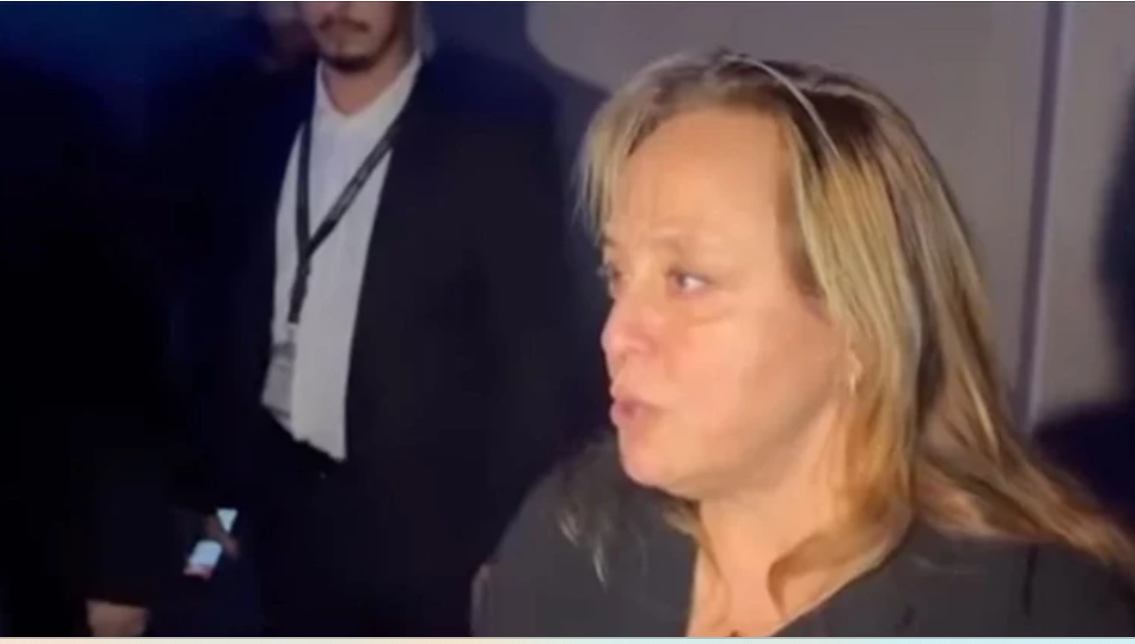 ayse barim
Summary:
An Istanbul appeals court has overturned the release of well-known talent manager Ayşe Barım, ordering her re-arrest in connection with the long-running Gezi Park trials. Barım, who has represented some of Turkey’s most prominent artists, is accused of aiding attempts to overthrow the government during the 2013 protests. The case highlights the enduring political sensitivities surrounding the Gezi movement.
Court Overturns Release
The Istanbul 27th High Criminal Court on Thursday ruled to re-arrest Ayşe Barım, a veteran talent manager in Turkey’s entertainment industry, after prosecutors appealed her earlier release.
Barım is on trial for “aiding the attempt to overthrow the Turkish government by force and violence, or obstructing it from performing its duties” — charges tied to her alleged role in the 2013 Gezi Park protests.
The decision came after prosecutors challenged the ruling of the Istanbul 26th High Criminal Court, which had allowed her conditional release on health grounds.
Earlier Release on Health Grounds
On October 1, the 26th High Criminal Court had ordered Barım’s release under strict judicial control, citing her deteriorating health. Medical reports detailed a brain aneurysm and heart problems, with the Forensic Medicine Institute recommending treatment incompatible with extended detention.
The court concluded that the aims of detention could instead be achieved through house arrest and a travel ban.
Prosecutors immediately objected, arguing that Barım still posed a flight risk and could interfere with the judicial process. When the 26th Court rejected their objection, the case was referred to the 27th High Criminal Court, which sided with the prosecution and issued a fresh detention order.
Background: Gezi Park and Ongoing Trials
The Gezi Park protests began in Istanbul in May 2013 as a small environmental demonstration against urban redevelopment plans, but quickly escalated into nationwide unrest against then-Prime Minister Recep Tayyip Erdoğan’s government.
Authorities accused activists, intellectuals, and business figures of attempting to foment an uprising. The trials that followed — often criticized by rights groups as politically motivated — have targeted figures from diverse sectors, including philanthropist Osman Kavala, who remains imprisoned.
Ayşe Barım, known for managing top Turkish actors, musicians, and directors, was among those later indicted. Her involvement has been controversial, with critics alleging that her prosecution reflects the government’s broader campaign to silence dissenting voices within civil society and the arts community.
What’s Next?
Barım’s defense lawyers are expected to file new appeals, arguing that her health condition makes continued imprisonment dangerous. They insist that the charges lack sufficient evidence and are rooted in her professional connections rather than direct involvement in the protests.
The latest ruling underscores how the Gezi Park cases remain a flashpoint in Turkey’s judiciary, more than a decade after the demonstrations. It also comes at a politically sensitive moment, with opposition parties accusing the Erdoğan administration of tightening control over the courts ahead of the November 2025 elections.