



Dual Justice Debate in Turkey: Özgür Özel’s Questions Answered by Justice Minister
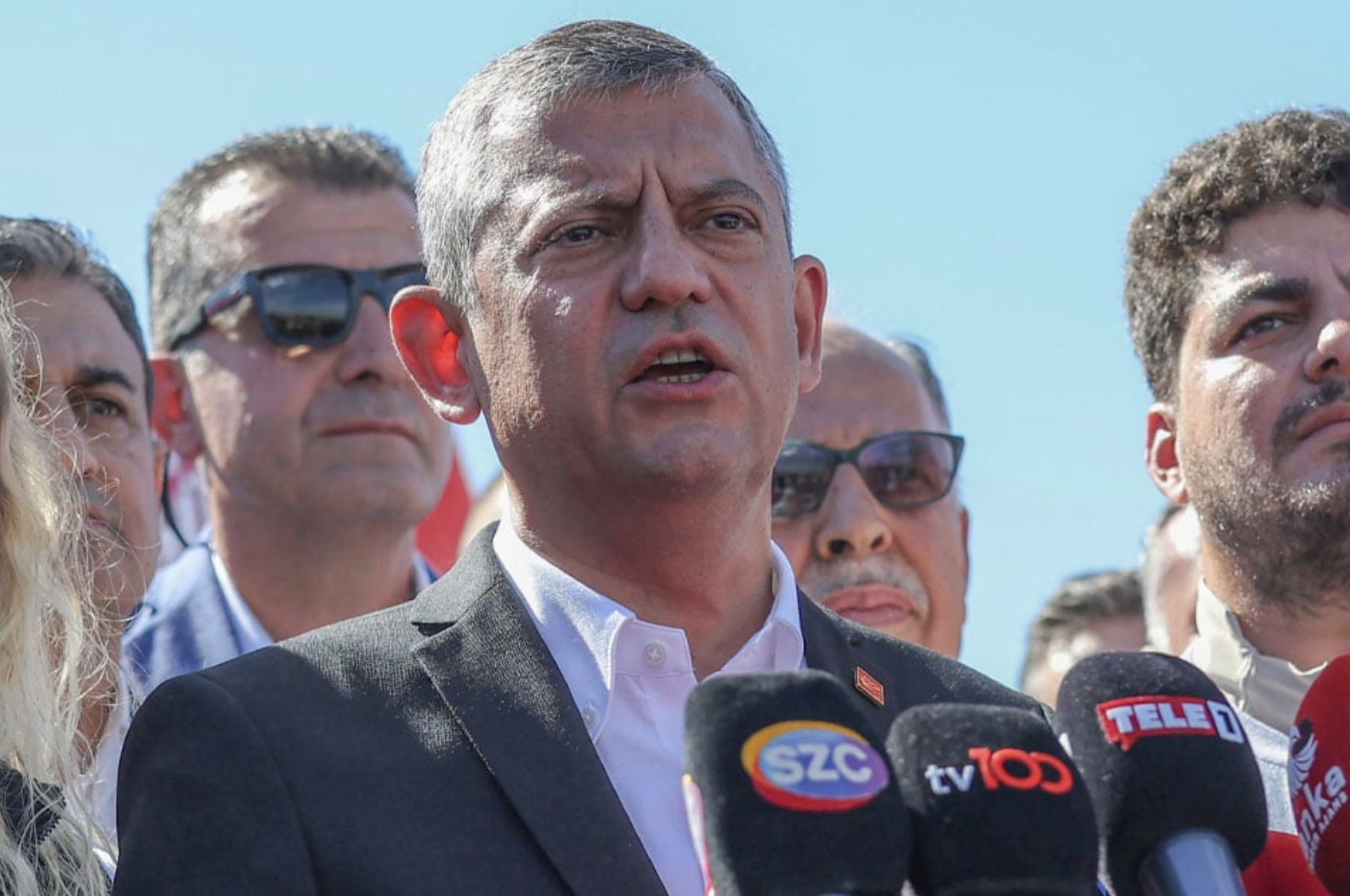 Özgür Özel
A heated exchange over alleged selective legal practices has surfaced in Turkey’s parliament after CHP leader Özgür Özel submitted a written parliamentary question targeting the government’s handling of investigations into municipalities. Özel argued that while CHP-run municipalities face frequent probes, AKP municipalities appear to be spared, asking bluntly: “Is a dual legal system being applied in Turkey?”
The Parliamentary Question
In his submission, Özel highlighted that businessman Aziz İhsan Aktaş had secured 88 tenders from CHP municipalities but nearly 300 tenders from AKP municipalities, questioning why only the CHP-linked contracts were under scrutiny. He pressed Justice Minister Yılmaz Tunç on whether Turkey was operating under two sets of legal standards—one for those close to power, another for everyone else.
Minister Tunç’s Response: Judiciary Holds All Authority
In his detailed reply, Minister Tunç did not address specific cases but instead cited constitutional and legal provisions emphasizing judicial independence. Referring to Articles 9 and 138 of the Constitution, he underlined that all judicial authority rests with independent and impartial courts, and that no political organ may interfere with judicial processes.
Tunç further cited provisions from the Criminal Procedure Code (CMK), including:
-
Article 157 on the confidentiality of investigations,
-
Article 160 assigning prosecutors the duty to investigate any alleged crime,
-
Article 161 granting prosecutors wide investigative powers,
-
Article 170 outlining prosecutors’ authority to file indictments when sufficient evidence exists.
He concluded: “Within these regulations, the evaluation of evidence, qualification of incidents, investigations, protective measures, and the decision to open a public case fall entirely within the authority and responsibility of judicial authorities.”
The Minister stressed that his ministry holds no information or documents about what steps are taken during the confidential investigation phase.
Avukatlık Kanunu References
Tunç also referred to the Attorneys’ Act (Avukatlık Kanunu), which sets special rules for investigations involving lawyers, requiring authorization from the Ministry of Justice except in cases of flagrante delicto (caught in the act). He explained that these procedures are followed strictly within the law, and in certain cases, files are transferred to higher courts for review and possible prosecution.
HSK Decisions and Complaints
The Minister also referenced recent correspondence with the Council of Judges and Prosecutors (HSK). Records show that complaints related to the issue had been submitted, but in multiple instances, the HSK’s First Chamber decided not to process the complaints. In one case, a July 2025 decision effectively dismissed the complaint, and another case was still under procedural review as of September.
What the Exchange Reveals
The back-and-forth underscores a deeper political tension. While Özel frames the issue as one of justice applied selectively, Tunç responds by emphasizing the independence of the judiciary and the confidentiality of investigations. By relying heavily on constitutional references, the Minister avoided giving a direct answer about why probes seem to disproportionately affect opposition municipalities.
The result is a political stalemate: opposition voices argue that the justice system is being used as a tool against rivals, while the government insists that the judiciary alone bears responsibility for investigations and prosecutions.
As Turkey heads into another politically charged season, the debate over whether there is a “dual justice system” continues to fuel public distrust in the judiciary, adding weight to long-running concerns over the balance between politics and law.