Turkey’s 2026 Tax and Fine Surge: How Much Will You Pay?
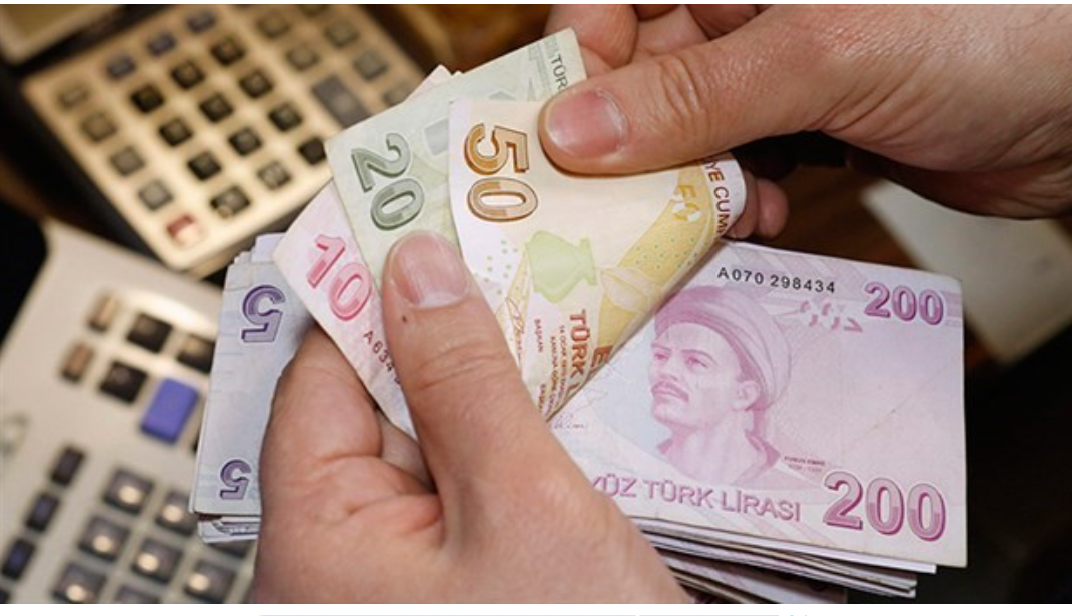 Turkish Lira
Every year as autumn approaches, Turkish citizens turn their eyes to one critical figure: the Revaluation Rate (Yeniden Değerleme Oranı – YDO). This rate dictates how much various taxes, levies, and penalties will rise in the coming year, shaping household budgets and business costs alike. For 2026, early projections point to a sharp increase, signaling that drivers, homeowners, and vehicle owners may all feel the financial squeeze.
The Revaluation Rate and Its Economic Significance
According to economist Alaattin Aktaş, the expected revaluation rate for 2026 hovers at 25.25%, a figure derived from Turkey’s Domestic Producer Price Index (Yİ-ÜFE). Explaining his projection, Aktaş noted, “My estimate is that Yİ-ÜFE will rise by 1.5% in both September and October. This would result in an annual average increase of 25.25%, effectively setting the revaluation rate at that level.” Once finalized at the end of October, this percentage automatically adjusts most fixed taxes and fines across the country.
Traffic Fines Set for Record Hikes
For everyday citizens, the most immediate impact will be seen in traffic fines. Unlike certain taxes that can be modified by presidential decrees, traffic penalties are bound directly to the YDO. This means that an across-the-board increase of roughly a quarter is unavoidable. What does this mean in practice? It means routine violations will come with steeper price tags.
Everyday Infractions: Costlier Than Ever
Running a red light or using a mobile phone while driving—already among the most common infractions—will rise from 2,167 TL to 2,714 TL. Seemingly minor lapses, such as failing to wear a seatbelt, ignoring traffic signs, or illegal parking, will climb from 993 TL to 1,243 TL.
Severe Violations: Heavy Financial Burdens
More severe violations carry heavier consequences: reckless lane changes, abusing the emergency lane, or exceeding speed limits by more than 50% will surge from 9,267 TL to 11,606 TL.
Drifting and Drunk Driving: Massive Penalty Increases
Perhaps the most shocking increase is for drifting, a practice notorious for endangering public safety. The fine, which currently stands at 46,392 TL, is projected to soar beyond 58,000 TL. Drunk driving will also see significant hikes depending on the offender’s history. A first offense could cost 11,606 TL, a second 14,556 TL, and repeated violations a punishing 23,392 TL. Drivers refusing to take an alcohol test will face an even steeper fine, climbing from 26,557 TL to 33,262 TL. These figures are not merely deterrents; they reflect the state’s firm stance on traffic safety, reinforced by financial consequences.
Motor Vehicle Tax (MTV) Also Rising
But it’s not just motorists who will bear the burden of the 2026 YDO. The Motor Vehicle Tax (MTV), a crucial levy for millions of car owners, is also tied to this index. Having already tracked the YDO in 2024 and 2025, the tax is expected to climb once again by 25.25%, according to Aktaş. For vehicle owners, this means budgeting for another year of heavier obligations.
Property Tax to Increase by 12.62%
Meanwhile, homeowners will confront increases in property tax. By law, property tax rises each year by half the YDO. That means the projected 12.62% increase in 2026 will translate into tangible added costs for millions of households across the country. While less dramatic than the traffic fines or MTV hikes, this annual property levy increment still chips away at disposable income, especially in an era of rising living costs.
What the YDO Really Reflects
The broader significance of the YDO extends beyond fines and taxes. It represents a reflection of Turkey’s inflationary pressures and production costs. The Yİ-ÜFE, which underpins the revaluation rate, tracks changes in domestic producer prices—a key economic indicator signaling how deeply inflation penetrates the real economy. When producer prices rise, they ripple into consumer-facing policies, creating a cycle of higher living expenses.
Preparing for 2026: What Citizens Should Expect
For 2026, the financial story is one of rising obligations across the board. The government’s reliance on automatic adjustments means the hikes are near-certain, with little room for political discretion, at least in areas like traffic penalties. While the official figures will be confirmed at the end of October, citizens can already begin bracing for the impact. From red-light violations to annual vehicle taxes, from reckless driving to property ownership, the cost of living in Turkey is set for a significant step up in the new year.
The pattern is clear: whether you are a driver, a homeowner, or both, the revaluation mechanism ensures your financial commitments will be heavier in 2026. What remains to be seen is how households will adapt to these pressures and whether stricter enforcement combined with higher fines will achieve their intended purpose—reducing violations and improving public safety.
Related articles
iPhone 17 Prices Expose Harsh Reality for Turkish Farmers
Turkey Revises VAT Rules: Defense, Urban Renewal and Fuel Sectors Affected
Nearly 80% of Turks Demand Pension Hike to Match Minimum Wage