Turkey’s Wealth Gap Deepens: Top 10% Owns Two-Thirds of National Wealth
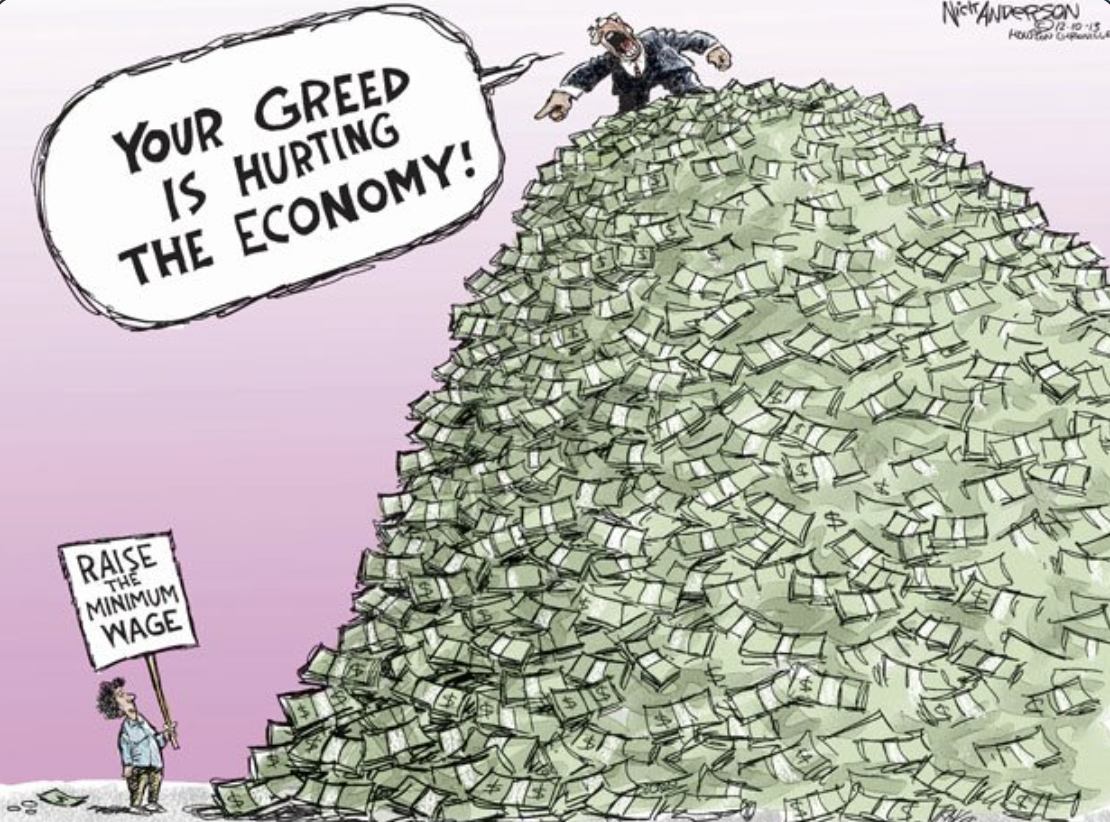 Labor Inequality by by Nick Anderson
Turkey’s wealth distribution has reached one of its most unequal points in modern history. According to data from the World Inequality Database, by 2023 the richest 10% of the population controlled 68.4% of the country’s total wealth. This means nearly two-thirds of national wealth is concentrated in the hands of a small minority. In contrast, the bottom half of society—representing over 40 million people—held only 2.6% of the wealth, a steep decline from 3.6% in 2012. The widening gap shows that inequality in Turkey is not only entrenched but accelerating.
The Poor Lose Ground Fast
The most dramatic collapse has taken place among the poorest 50%. In 2021, this half of the population owned 3.6% of the nation’s wealth. Just two years later, their share dropped to 2.6%—a 28% loss in relative terms. In practice, this means that half the country struggles to survive with access to just a fraction of national wealth, leaving millions vulnerable to inflation, debt, and rising living costs.
The Rich Climb Higher Every Year
The story at the top tells the opposite tale. The wealthiest 10% have steadily increased their share for more than a decade. In 2013, they controlled 62.7% of Turkey’s wealth. By 2023, this had risen to 68.4%. Even within the last three years, the rich added nearly three percentage points to their share. The data makes clear that every year, more wealth is siphoned upward, leaving little room for middle- and lower-income groups to improve their standard of living.
Tax System Intensifies Inequality
Analysts argue that this skewed distribution is not accidental—it is the product of deliberate policy. Turkey’s tax structure relies heavily on indirect taxes such as VAT and excise duties. These are applied uniformly, meaning a poor household pays the same rate as a millionaire, but at far greater cost relative to income. Meanwhile, high-income earners and major corporations often contribute only a fraction of their wealth to taxes. The imbalance ensures that the tax burden falls disproportionately on those with the least ability to pay, driving inequality higher year after year.
Public Spending Favors Big Projects and Elites
The direction of public spending also compounds the problem. Instead of focusing on direct income support, social programs, or improving public services, state resources often flow into large infrastructure projects, state contracts, and concessions awarded to capital groups. These projects enrich a narrow circle of well-connected firms but do little to improve daily life for ordinary citizens. As a result, public money strengthens the wealth of the few while leaving the many to face worsening economic insecurity.
“A Policy of Taking from the Poor, Giving to the Rich”
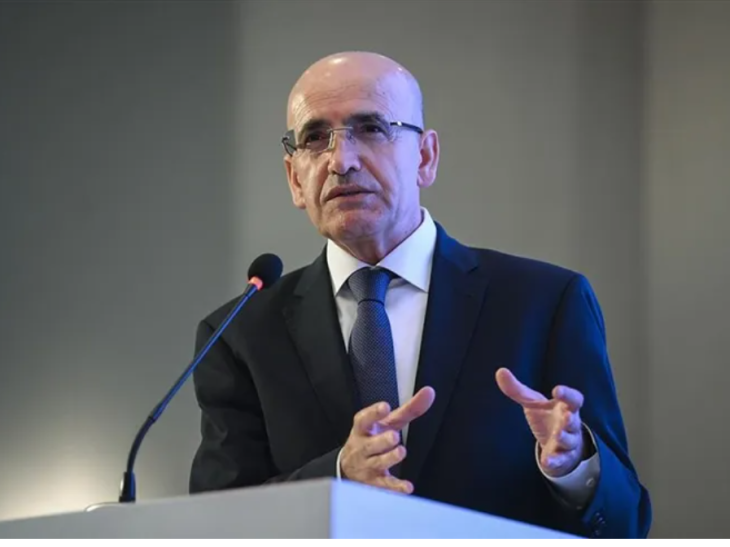
Financial analyst İnan Mutlu captured this reality bluntly in a viral post: “Devlet eliyle yoksuldan alıp zengine aktarma politikasının kaçınılmaz sonucu. Rasyonel Şimşek programı da farklı bir şey yapmıyor.” His words point directly at Treasury and Finance Minister Mehmet Şimşek’s economic program, which critics argue has not addressed inequality but has instead deepened it. Policies branded as “rational” or “stabilizing” are seen by many as reinforcing the same structural imbalances that enrich elites while tightening the squeeze on the rest of society.
A System That Pulls Wealth Upward
Taken together, Turkey’s tax design and spending priorities create a self-reinforcing cycle. Wealth and income are redistributed from the bottom to the top, while middle- and lower-income groups see their share shrink. The result is a fragile economy where the majority of citizens are locked into financial struggle while a privileged few accumulate ever greater fortunes.
The Price of Inequality
This model comes at a high cost. Deepening inequality erodes social trust, undermines democracy, and destabilizes long-term growth. When half the population survives on crumbs of national wealth while elites hoard billions, the promise of shared prosperity becomes hollow. Turkey’s widening wealth gap is not simply an economic problem—it is a political and social fault line that threatens the very fabric of the country’s future.