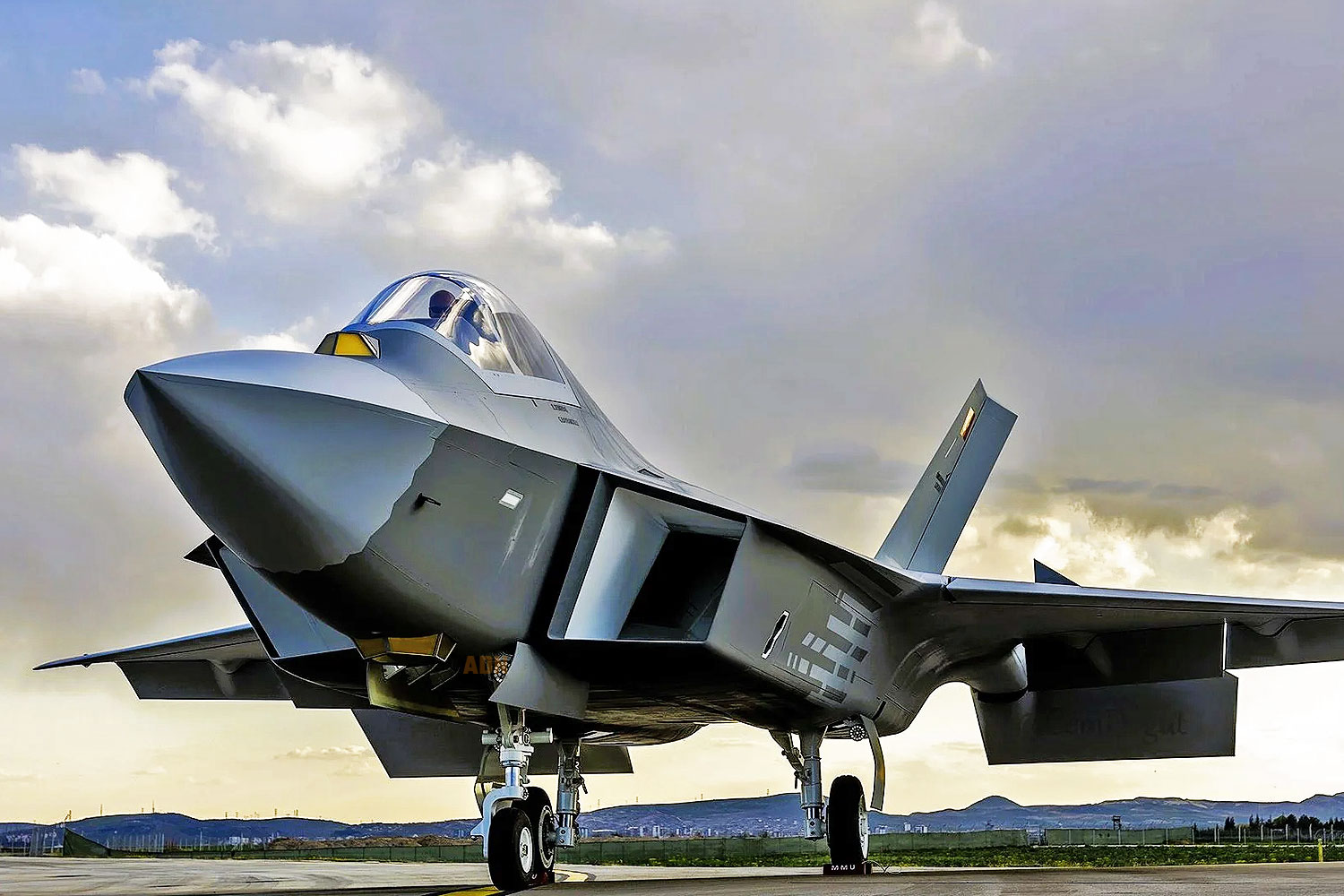
KAAN Fighter Jet Faces No Delays: SSB
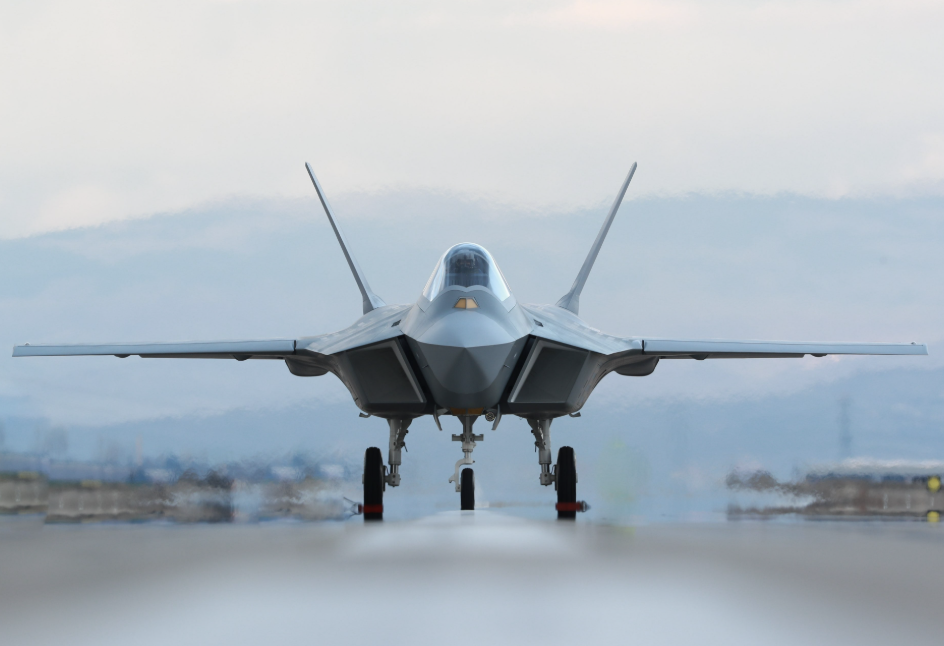 KAAN Jets
Statements from Foreign Minister Hakan Fidan recently stirred controversy after he claimed that U.S. export restrictions on engines had blocked production of Turkey’s national fighter jet, KAAN. He emphasized that one of the most critical disputes with Washington stemmed from Congress’ refusal to approve engine exports. The comments triggered widespread concern about potential delays in the program, seen as one of Turkey’s most ambitious defense projects.
Görgün: No Delay in KAAN’s Development
Haluk Görgün, President of the Presidency of Defense Industries (SSB), quickly issued a strong rebuttal. Speaking to Anadolu Agency, he stressed that there were no delays in KAAN’s development or delivery schedule. According to Görgün, the project is advancing under a “dual-track strategy” designed to ensure both independence and continuity. He stated clearly: “KAAN’ın geleceği hiçbir şekilde tek bir ülkenin motoruna bağlı değildir. Biz mühendislerimize güveniyoruz… Prototip uçaklar için gerekli tüm motorlar tedarik edilerek Türkiye’ye teslimatları tamamlandı ve üretim son hızla devam etmektedir.”
Domestic Motor at the Core of Serial Production
Görgün underlined that the long-term vision for KAAN is to achieve full independence in engine technology. The plan is to equip serial production models with Turkey’s own TF35000 national engine, while supporting systems such as the APU60 auxiliary power unit are also in development. This marks a significant step toward the country’s goal of a fully indigenous defense industry, free from reliance on foreign suppliers.
U.S. Engines Still Part of Transition Phase
While the ultimate objective is the TF35000, Görgün acknowledged that imported engines are still necessary for the initial production blocks. He confirmed that official applications for U.S.-made engines have already been submitted. Yet he also pointed out that KAAN’s design framework, built on Agile Systems Engineering, allows flexibility. If foreign engines cannot be delivered, the fighter can transition to domestic alternatives without major timeline setbacks. This adaptability, he argued, secures the project against potential external pressures.
Progress in National Engine Development
Görgün admitted that the early stages of engine development faced setbacks, but highlighted the remarkable strides achieved in the last two years. The TF6000 turbofan, designed for the ANKA-III unmanned combat aircraft, has already been successfully tested. Meanwhile, the TF10000 engine project, developed for the KIZILELMA fighter drone, is advancing steadily. These breakthroughs, he said, provide strong foundations for scaling up to the more powerful TF35000 required for KAAN.
KAAN Exports to Be Powered by National Engines
Another key announcement was that the 48 KAAN fighter jets planned for export to Indonesia will not rely on American engines but will instead be delivered with domestically produced powerplants. This decision reflects not only confidence in Turkey’s national engine program but also a strategic move to market KAAN as a truly independent platform free of foreign dependency risks.
A Strategic Milestone for Turkey’s Defense Industry
The KAAN program represents far more than the development of a fighter aircraft. It is a test of Turkey’s ability to establish technological sovereignty in one of the most complex fields of engineering: jet propulsion. With the Presidency of Defense Industries affirming that the project is on track, KAAN continues to symbolize Ankara’s push for a fully independent defense sector, resilient against political or logistical constraints.