Prices go nuts! Why Nuts Have Become a Luxury in Turkey?
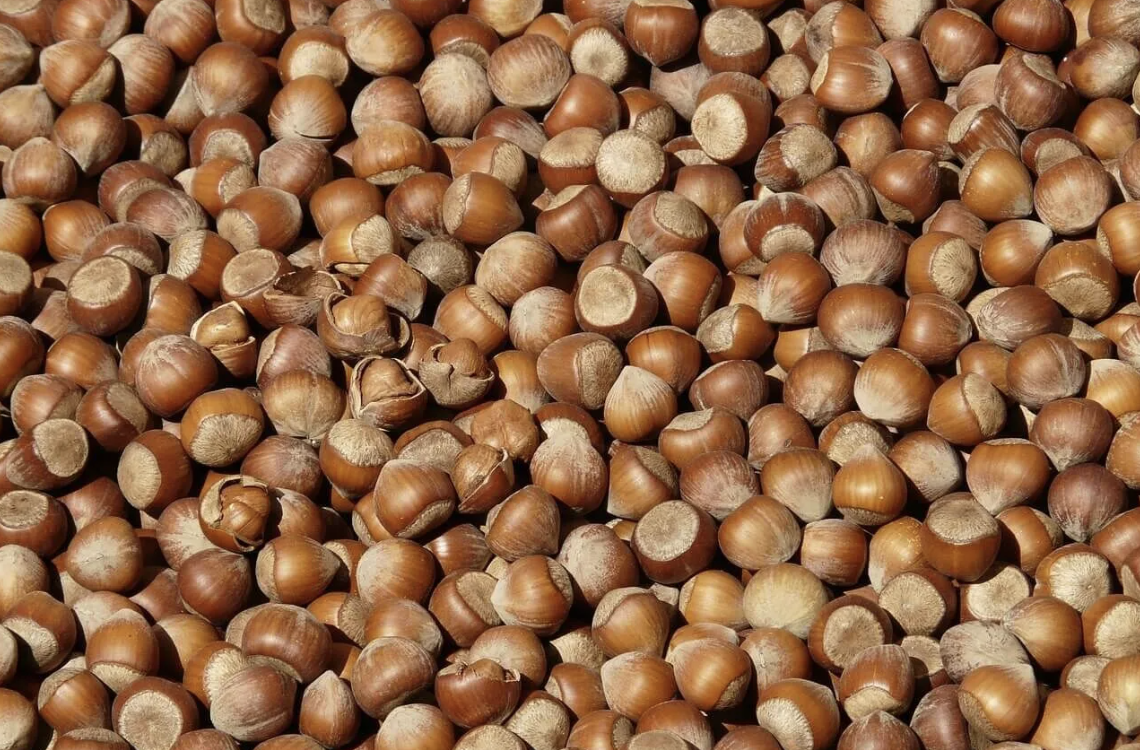 hazelnut
Once a staple of Turkish households and social gatherings, nuts are fast turning into a luxury item. A combination of drought, foreign exchange fluctuations, and rising costs has driven prices of popular varieties such as pistachios, walnuts, almonds, and hazelnuts to record highs. What was once considered a casual snack is now being treated like a delicacy only a few can afford.
Record Prices for Pistachios, Walnuts, and Almonds
At the heart of the issue are staggering price tags that now dominate shop shelves. Pistachios, long regarded as the crown jewel of Turkish nuts, have climbed to an astonishing 1,700 Turkish Liras per kilogram. Locally grown walnuts are selling for around 1,000 TL, while almonds are reaching 1,100 TL and hazelnuts around 900 TL. These figures represent not only a symbolic threshold but also a practical one, as families increasingly turn away from products they once consumed daily.
Families Cut Purchases to Basic Foods
Aytaç Sevimli, President of the Ankara Coffee Roasters and Nut Dealers Association, underlined the severity of the trend. “Eskiden vatandaşlar leblebi, çekirdek, fındık ve karışık kuru yemiş alırdı. Fakat kuru yemiş şu anda lüks oldu. Vatandaş evine sadece temel gıda maddelerini alabiliyor,” he explained in an interview with Türkiye newspaper. His remarks highlight a cultural shift: nuts, once an inseparable part of family visits, holiday traditions, and everyday routines, are now vanishing from shopping lists.
Drought and Currency Pressures Behind Rising Costs
The causes run deeper than consumer demand. Experts point to climate change and its disruptive effect on agriculture. Severe droughts have reduced yields, leaving farmers struggling to produce at sustainable levels. Rising foreign exchange rates further amplify the costs, especially since many agricultural inputs—from fertilizers to equipment—are priced in foreign currencies. Add intermediary costs into the equation, and the price spiral becomes almost inevitable. For shopkeepers, it’s a perfect storm that has left both sellers and buyers dissatisfied.
Imported Walnuts Cheaper Than Local Crops
But there is also a structural issue at play: the decline of local production. Sevimli notes that Turkey, despite being a fertile land for nut cultivation, has become dependent on imports. “Ülkemize ABD’den ceviz geliyor. Yerli cevizle ithal cevizi karşılaştırdığımızda, yerli cevizimiz daha pahalı. Peki, ülkemizde büyüyen ağacın ürünü nasıl oluyor da ithal üründen daha pahalıya geliyor? Bunun sebebi şu: Yıllar önce bizim ağaçlarımızı kestiler. Biz ceviz ağacından mobilyalar ürettik. Çiftçi de cevizden kazanamayınca mecburen ağaçlarını kesip mobilyacıya verdi,” he explained. His words point to a long-term mismanagement of agricultural policy, where farmers, unable to profit from nut production, abandoned cultivation in favor of short-term gains.
Cultural Traditions at Risk
The consequences of these decisions are now becoming visible. Instead of strengthening domestic agriculture, the sector has leaned on imports, creating a paradox where walnuts grown in California can be cheaper on Turkish markets than walnuts from Anatolia. For consumers, the result is the same: escalating costs and fewer options on the table. Nuts are not merely food items in Turkey; they are part of hospitality traditions. Offering hazelnuts, almonds, or pistachios to guests has long been a gesture of warmth and generosity. With prices skyrocketing, these traditions risk fading, replaced by simpler, more affordable offerings.
Calls for Government Support to Farmers
Looking ahead, industry insiders warn that prices could rise even further unless serious interventions are made. Government support for farmers, incentives to protect existing orchards, and sustainable agricultural planning are seen as essential steps. Without them, Turkey risks losing not just its nut culture but also its competitive edge in global markets. Sevimli emphasized that supporting local producers is no longer a matter of preference but a necessity for national food security.
Nuts as a Mirror of Turkey’s Economy
The nut crisis is a small but telling snapshot of larger economic challenges facing Turkey. Inflation, currency pressures, and climate change are converging to reshape consumer behavior. As households adjust to a reality where pistachios and walnuts are no longer affordable, the story of nuts becomes more than just about snacks—it reflects how shifting economics can reshape culture, tradition, and daily life.