



Tension at Parliament: CHP to Leave Session During Erdoğan’s Entry
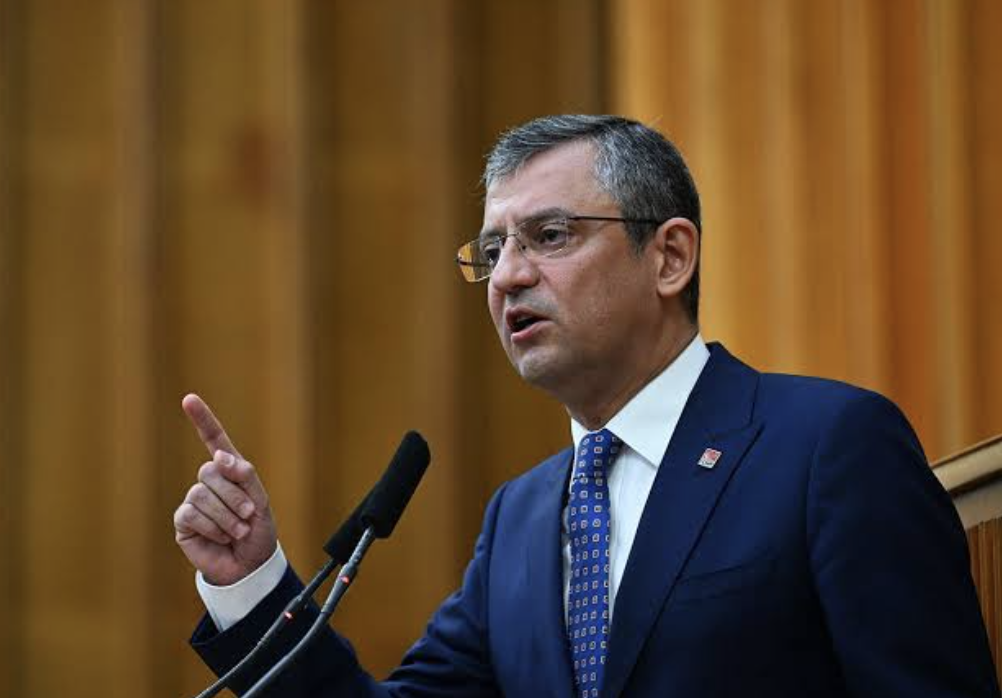 özgür özel
Turkey’s political arena is bracing for tension on October 1, as CHP leader Özgür Özel announced that his party will not attend the Turkish Grand National Assembly’s (TBMM) opening session when President Recep Tayyip Erdoğan arrives. Speaking in a televised broadcast from Manisa, Özel delivered a sharp message: “Bize darbe yapanla aynı çatı altında olmayacağız” (“We will not be under the same roof with those who staged a coup against us”).
The move represents a calculated political gesture and underscores the growing rift between Turkey’s ruling and main opposition parties. Despite skipping the opening, Özel stressed that CHP will return to its parliamentary duties immediately afterward, ensuring that legislative responsibilities continue.
The Opposition’s New Stance
Özel explained that this stance is not sudden. “Last year, we had the same discussion with my colleagues, and this year we remain at the same point,” he said, underlining that the CHP’s choice is about principle, not disruption.
The decision highlights the opposition’s disapproval of how the ruling bloc has managed both democratic norms and judicial processes, and frames the absence as a statement rather than an abdication of parliamentary duty.
Normalization: A Contested Concept
The debate on political normalization in Turkey has been a recurring theme, and Özel seized the opportunity to clarify CHP’s perspective. He reminded viewers that CHP used to rise in respect when Erdoğan entered the chamber during his party leadership years. However, after the constitutional referendum that altered Turkey’s political system, CHP reassessed its approach.
Özel pointed out that after CHP’s major success in the March 31 local elections, which placed the party at the top for the first time in 47 years, he made a symbolic move. On April 8, he personally phoned Erdoğan and other party leaders, extending holiday greetings. “Normali bu,” he said, meaning this kind of dialogue should be standard practice in politics.
He painted a vivid picture of his vision for Turkey:
“My dream is a morning where party leaders can simply call each other—‘Good morning, shall we have a coffee today?’ Whether at the MHP headquarters or AKP’s office, we can talk over coffee and solve issues before they escalate into crises.”
This philosophy, he argued, would not only prevent parliamentary brawls but also ease social tensions nationwide.
The Need to Ease Polarization
Özel emphasized that Turkey’s political climate has reached a breaking point. “The country is at a stage where polarization has become unbearable,” he said. He drew on personal experiences in Manisa, where political rivals shared tea and conversations despite sharp disagreements.
This local spirit of dialogue, he suggested, could guide national politics if leaders demonstrated the same maturity. “When leaders set the example, the people follow,” he added.
Honoring Ferdi Zeyrek
The program also took a heartfelt turn when Özel spoke about the late Ferdi Zeyrek, a figure remembered for his civic vision. He announced that Zeyrek’s dream of a “city forest” will be realized and revealed that a foundation has been established in his memory. Zeyrek’s wife, Nurcan Zeyrek, will chair the foundation, which will support the poor and disadvantaged. The inauguration ceremony was scheduled for 18:00 the same evening.
Bahçeli’s Statement on Investigations
Addressing recent remarks by MHP leader Devlet Bahçeli about ongoing investigations into CHP-run municipalities, Özel struck a measured tone. Bahçeli had declared, “If they are innocent, they will be acquitted; if guilty, they will be punished.”
Özel acknowledged this as a “valuable statement” and expressed hope that an indictment would be finalized in October. He also praised voices within MHP who stressed that trial without detention should remain the norm, calling it an important development for judicial fairness.
A Vision of Reconciliation
Despite sharp divisions, Özel closed with a message of hope:
“My dream is a Turkey where all party leaders can drink each other’s coffee. The country needs this. If leaders show responsibility, it will reflect positively on society. After the next election, those days will return.”
His words aim to shift the narrative from confrontation toward dialogue, reminding both parliamentarians and citizens that polarization is not inevitable. Instead, he envisions a future where everyday interactions between leaders could dissolve crises before they erupt, restoring a culture of respect and cooperation.
Related articles
CHP Leader Slams Karalar’s Arrest: “Unlawful Persecution Must End”
Turkish Students Launch Economic Boycott After İmamoğlu’s Arrest
Nationwide Protests Erupt After Detention of CHP Mayors: “A Blow to the National Will”