Tim Ash: Trump and Erdoğan Both Emerge Winners from White House Meeting
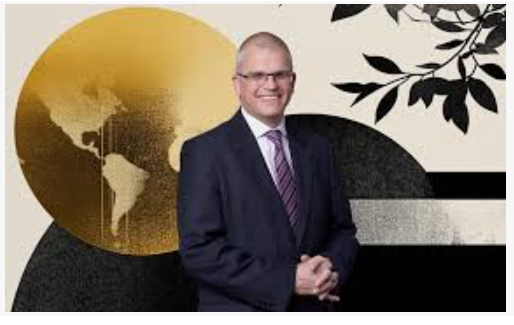 tim ash
Summary: Analyst Tim Ash argues that both Turkish President Recep Tayyip Erdoğan and U.S. President Donald Trump walked away satisfied from their September 25 meeting at the White House. Erdoğan secured respect and major commercial deals, while Trump gained business opportunities in energy and defense. Key files — from Russia sanctions to F-35s and Syria — appear set for further negotiation in the coming months.
Erdoğan’s “Respectful” Reception
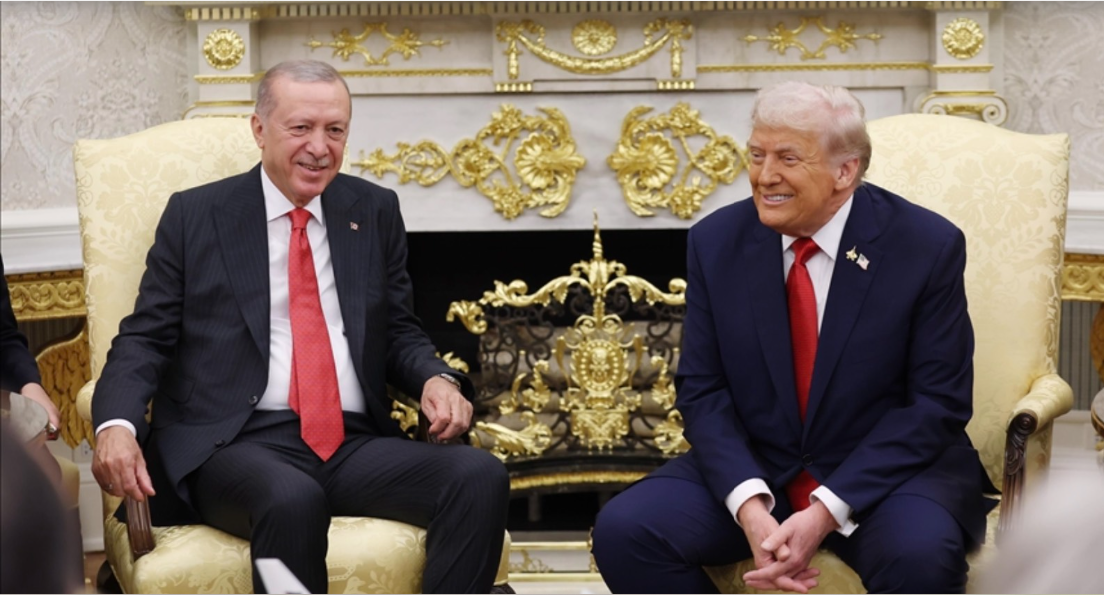
For President Erdoğan, the optics of the Oval Office encounter were crucial. According to Tim Ash, the Turkish leader received the symbolic validation he sought.
-
Erdoğan was treated with deference by Trump, avoiding the kind of public embarrassment that Ukraine’s Volodymyr Zelensky once faced in Washington.
-
The only awkward moment came when Trump could not resist making a quip about elections, a typical jab.
-
Erdoğan arrived with a strong team — Ibrahim Kalin, Hakan Fidan, and Finance Minister Mehmet Şimşek — while Trump’s side included Treasury Secretary Scott Bessent, Senator Marco Rubio, and Pete Hegseth.
Ash described the scene as “a full house,” with Oval Office sofas packed with high-profile figures eager not to miss the occasion.
$50 Billion in Deals on the Table
The Turkish side came prepared to impress. Erdoğan’s team presented $50 billion worth of commercial agreements to the White House.
-
A Turkish Airlines–Boeing aircraft purchase, originally arranged under Biden but strategically held back to hand over as a Trump-era prize.
-
A 70 bcm LNG deal, aimed at reducing Turkey’s reliance on Russian gas.
-
News that a U.S. company had secured a nuclear power project in Turkey.
For Trump, these agreements underscored the transactional nature of his diplomacy: jobs and contracts for American companies.
Defense and Sanctions: S-400, F-35, and Patriots
At the core of Erdoğan’s agenda were long-standing disputes:
-
Halkbank case: Erdoğan hopes the trial will be dropped.
-
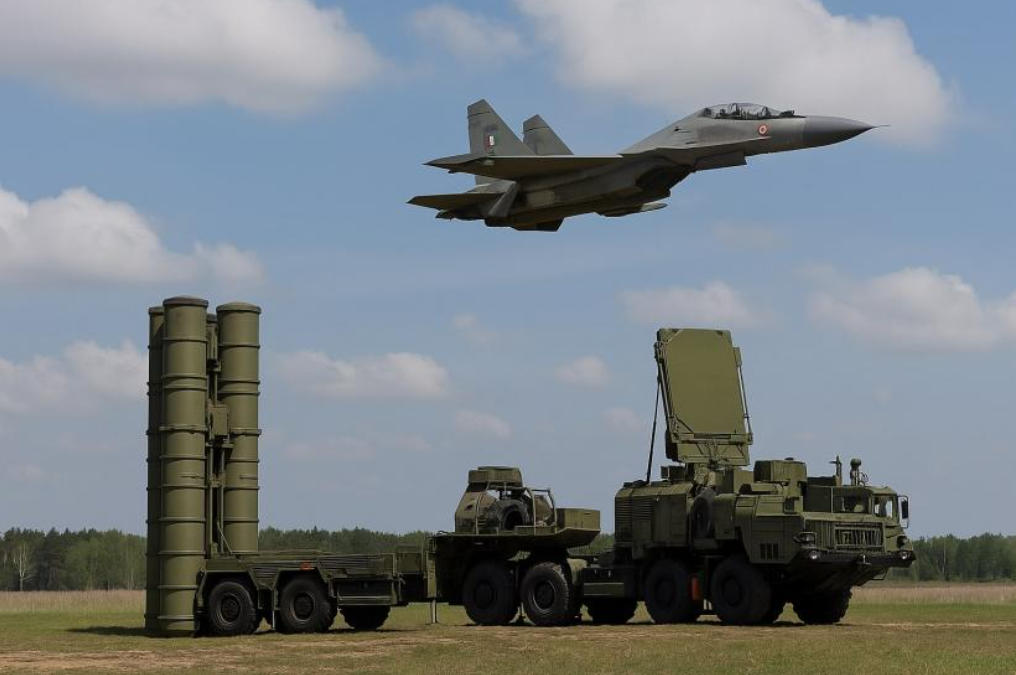
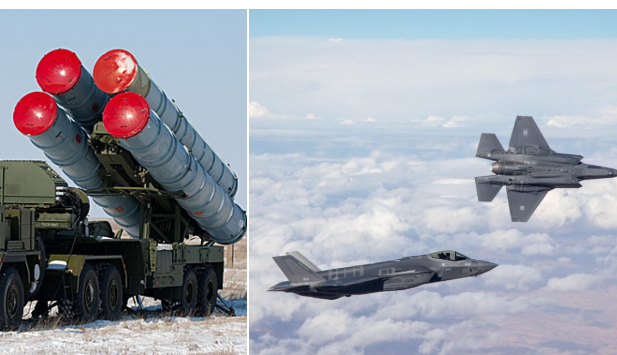
CAATSA sanctions: linked to Turkey’s purchase of Russian S-400 missiles.
-
F-35 program: Ankara wants to return after being ejected in 2019.
The F-16 sale appears close to finalization, but the debate now revolves around combining it with F-35s. Trump floated the possibility of Patriot missile sales, offering Turkey an interim solution to bolster its air defenses at a time of heightened tensions with Israel following strikes on Qatar.
Ash suggested a compromise might be possible, such as “parking” the S-400 system in a facility where U.S. inspectors would have oversight.
Syria: Signs of Convergence
On Syria, both sides appeared aligned. U.S. Ambassador to Turkey Barrack, who also serves as special representative for Syria and Lebanon, was active around the meeting.
-
Washington is reportedly considering frameworks that would address Turkey’s demands to contain the Kurdish YPG militia within broader unitary structures.
-
Turkish officials welcomed Barrack’s candid criticism of Britain and France for drawing “straight lines” on Middle Eastern maps in the past, sowing the seeds of today’s instability.
No major dispute surfaced over Gaza either. Ankara sought reassurances that the U.S. would prevent Israel from targeting Hamas officials on Turkish soil — a concern sharpened by recent Israeli strikes in Qatar.
Russia: Energy Dependence in the Spotlight
Trump directly raised Turkey’s ongoing dependence on Russian energy:
-
Two-thirds of Turkey’s crude oil imports and 40% of its natural gas come from Russia.
-
These flows generate tens of billions of dollars annually for Moscow’s war machine.
Ash noted speculation that Washington could link Ankara’s return to the F-35 program with reductions in Russian energy imports. Erdoğan, however, pointed to recent LNG and nuclear deals as proof of diversification efforts.
Meanwhile, the decision to resume oil flows from Erbil in northern Iraq demonstrated Turkey’s recognition of the need to broaden suppliers over the long term.
Importantly, Ash argued that for Trump, the issue is less about Ukraine and more about securing U.S. commercial gains: “LNG and nuclear projects mean jobs for America.”
Business as Usual Despite Political Turmoil
Erdoğan also sought to project stability. With the Turkish opposition embroiled in legal battles — including cases targeting the CHP — Trump’s indifference to Ankara’s domestic politics was a relief. For Erdoğan, it signaled continuity in the strategic relationship regardless of internal pressures.
The White House meeting thus functioned as a “business as usual” message to markets and allies: Washington and Ankara remain engaged on key files.
Net Outcome: Win–Win
In Ash’s assessment, the meeting left both sides content:
-
Erdoğan gained legitimacy, respect, and the chance to showcase multi-billion-dollar agreements.
-
Trump secured U.S. commercial wins in aerospace, energy, and defense, while keeping open leverage over Turkey’s Russia ties.
Looking ahead, Ash predicts that outstanding issues — from Syria to CAATSA, F-35s, and Halkbank — will likely be wrapped into a comprehensive deal in the coming months.
Source: Tim Ash, @tashecon blog
This is a sumary, visit the link to read the original article
IMPORTANT DISCLOSURE: PA Turkey intends to inform Turkey watchers with diverse views and opinions. Articles in our website may not necessarily represent the view of our editorial board or count as endorsement.
Follow our English language YouTube videos @ REAL TURKEY: https://www.youtube.com/channel/UCKpFJB4GFiNkhmpVZQ_d9Rg
And content at Twitter: @AtillaEng
Facebook: Real Turkey Channel: https://www.facebook.com/realturkeychannel/
Related articles
COMMENTARY: Trump’s Halkbank gift to Erdogan
Anil Can Ozgun: Turkey’s Syria Strategy Is About Realpolitik, Not Neo-Ottomanism
SHOCKER: Russia Pressures Turkey to Return S-400 Missile Systems Amid Shortages