Gold Under the Pillow: Turks Still Saving Despite Debt and Low Incomes
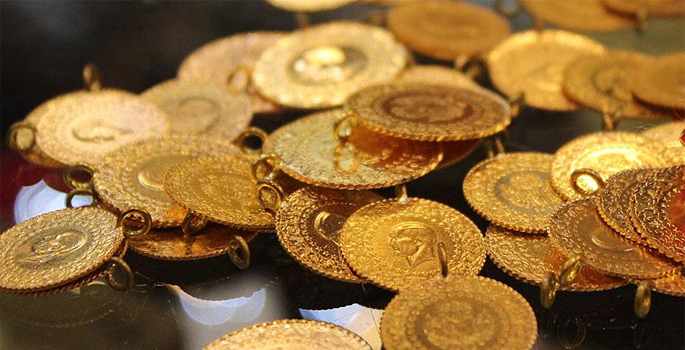 gold
gold
Even under the weight of high inflation and rising living costs, many Turks continue to set money aside. According to the ING Turkey Savings Trends Report for Q2 2025, 54% of participants—roughly one in two—reported that they were able to save. Interestingly, women outpaced men, with 56.7% of women saving versus a lower share among men.
Yet, behind these savings habits lies a deeper reality: most households remain under pressure, struggling with debt, restricted spending, and shrinking disposable income.
Traditional Havens Dominate: Gold and Cash
The report shows that despite the growth of digital banking and financial apps, traditional saving methods remain dominant. A striking 63% of participants said they prefer to keep their money outside the banking system—under pillows, in safes, or in physical gold.
-
Physical gold took the lead, chosen by 35% of savers as the safest form of wealth preservation.
-
Cash savings in TL and foreign currency followed closely at 28%, reflecting ongoing distrust in financial markets.
-
Bank time-deposit accounts lagged behind at 21%, showing limited appetite for keeping lira in the banking system.
For the younger generation, however, the picture looks different. Among the 18–24 age group, 28% invested in stocks and equities, signaling a shift toward higher-risk, higher-return strategies.
The Shadow of Low Income
While half the country is saving, the other half simply cannot. The report highlights a sobering fact: 67% of participants said low income prevents them from saving at all. Among the top barriers listed were:
-
Low salaries and unemployment,
-
Soaring utility bills,
-
High rents, and
-
The general burden of inflation.
This means two-thirds of Turkish households are effectively locked out of meaningful wealth-building, underscoring the widening gap between those who can save and those who cannot.
Household Debt Surges
Perhaps the most striking finding is the widespread indebtedness across households. The survey revealed that 51% of respondents are currently in debt, with the majority citing short-term credit burdens:
-
Credit card balances top the list, representing 46% of total household debt.
-
Bank loans account for another 40%.
This level of debt suggests that while some households save, many others rely heavily on borrowing just to sustain daily life. It also underscores the fragility of household finances in a country where inflation erodes real income month after month.
Austerity in Daily Life
Economic pressures are reshaping how people spend, cutting deep into both basic needs and cultural life.
-
55% of respondents admitted they buy only essential goods during supermarket shopping, a sign of constrained consumption.
-
61% said they can no longer afford cultural events, such as theater or concerts.
These lifestyle restrictions reveal how inflation, debt, and low wages combine to squeeze not just savings, but also quality of life.
Why Gold Still Shines
The preference for physical gold has deep roots in Turkish culture, but current conditions make it even more appealing. With the lira volatile and inflation persistent, gold is perceived as a stable anchor of value.
Moreover, keeping savings “under the pillow” offers households a sense of control and independence outside the formal banking system. Yet, this also means billions of lira remain idle, outside financial circulation—limiting the ability of banks to channel deposits into productive investment.
Youth Show a Different Path
The small but significant share of young investors entering the stock market could hint at a future shift in Turkey’s saving culture. With 28% of 18–24-year-olds putting money into equities, digital platforms and social media-driven financial literacy campaigns appear to be leaving a mark.
However, analysts warn that without stable incomes, this group remains highly vulnerable to market shocks.
The ING survey paints a complex picture of Turkey’s household finances: half the country manages to save, but most do so through gold and cash, bypassing the banking system. At the same time, more than half are in debt, and two-thirds say low income blocks them from saving.
The combination of traditional saving habits, rising debt loads, and lifestyle restrictions shows how Turkish households are adapting to survive in a climate of persistent inflation. For now, the pillow and gold coin remain the nation’s true vaults—symbols of caution, distrust, and resilience.
Related articles

Exchange Rate-Protected TL Deposits Drop Again While Loans and Overall Deposits Rise
Household Debt Hits Historic High as Inflation Squeezes Turkish Consumers

Credit Limits Likely to Stay in 2026 as Banks Prioritize Inflation Fight