FIRST TAKE: Trump Pushes Turkey to Halt Russian Oil Imports, Signals Possible End to F-35 Sanctions
 rte-trump3
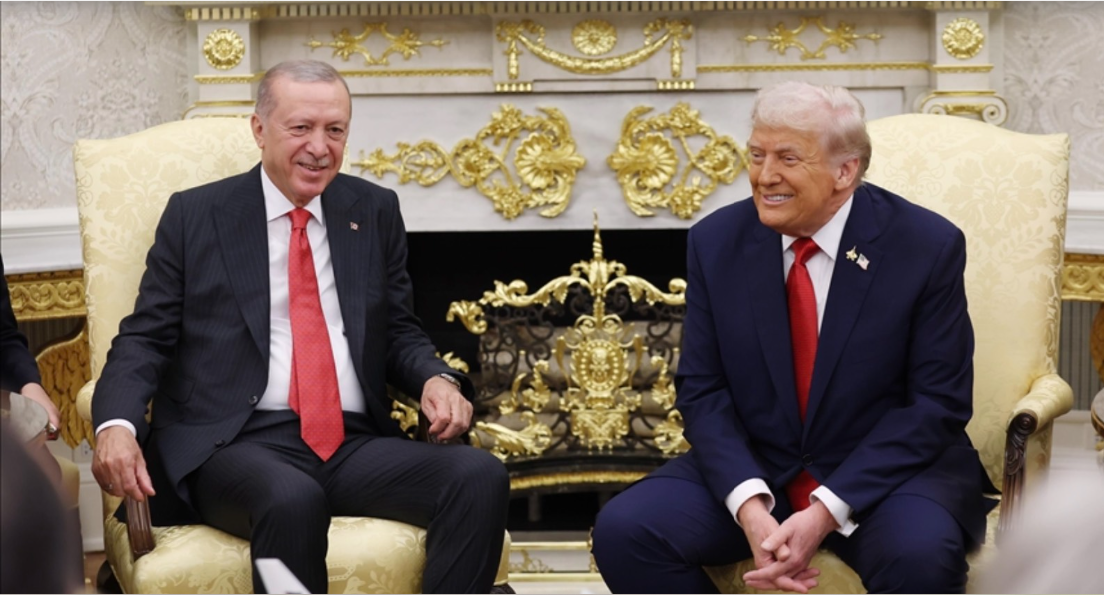
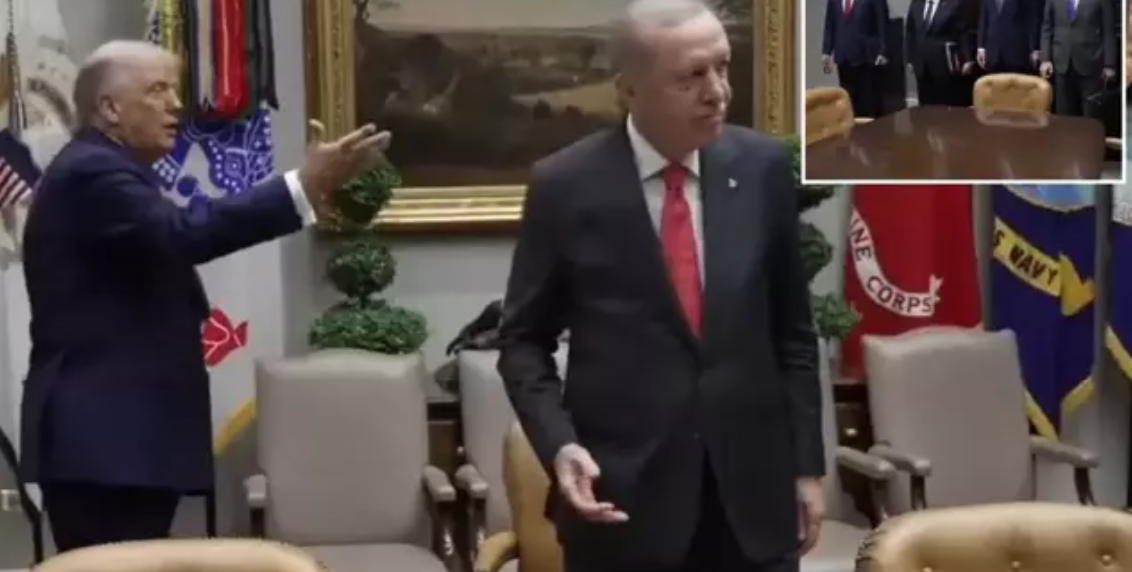
In a pivotal White House meeting, President Donald Trump pressed Turkish President Recep Tayyip Erdoğan to stop importing Russian oil, signaling potential U.S. sanctions relief that could revive Turkey’s suspended F-35 fighter jet deal.
Washington, D.C. | September 25, 2025 — U.S. President Donald Trump has said he expects Turkey to comply with his request to halt purchases of Russian oil — a move that could mark a dramatic shift in regional energy dynamics and potentially reopen the door for Turkey’s long-blocked acquisition of F-35 fighter jets.
Speaking to reporters after a two-hour meeting with Turkish President Recep Tayyip Erdoğan at the White House, Trump described the talks as “very conclusive,” though he stopped short of offering specific policy outcomes, saying announcements would come “very soon.”
“I believe he will stop it, yeah. You know why? Because he can buy it from a lot of other people,” Trump said, expressing confidence that Erdoğan will reduce or eliminate Ankara’s oil imports from Russia. “He’s a tough guy, but he’s also a smart guy. He knows what’s at stake.”
Energy Diplomacy Tied to Military Deals
Trump’s appeal to Turkey is part of a broader campaign to squeeze Russian energy revenues, a key funding source for Moscow’s war in Ukraine. The U.S. president has been pressuring NATO allies and EU states to curb energy ties with the Kremlin.
While countries like Hungary and Slovakia have been allowed some flexibility due to their heavy reliance on Russian crude, Turkey’s diversified energy sources, Trump said, give it “other options.”
In return, Erdoğan appears hopeful that his administration’s growing alignment with U.S. positions — particularly in Syria — will unlock stalled weapons deals and deepen trade ties with Washington.
A core Turkish ask: the lifting of U.S. sanctions imposed in 2020 over Ankara’s purchase of the Russian-made S-400 missile defense system, which had effectively blocked Turkey from the F-35 fighter jet program. Prior to the sanctions, Turkey was both a customer and a manufacturing partner for the advanced stealth aircraft built by Lockheed Martin.
Trump now says he is open to lifting those sanctions.
“If we have a good meeting — which I think we just did — we could lift them almost immediately,” he said during their joint appearance. “I think he’ll be successful in buying the things he wants to buy.”
Geopolitical Reset: From Strained to Strategic
The Trump-Erdoğan meeting marked Erdoğan’s first White House visit in six years and came amid a rapid improvement in bilateral relations. The leaders’ personal rapport, and Trump’s transactional foreign policy style, have created space for renewed cooperation between Washington and Ankara.
During the Biden presidency, relations had soured over Erdoğan’s perceived tilt toward Russia, democratic backsliding, and disagreements over Syria and NATO policy. But with Trump’s return to office, those fault lines have softened.
Notably, both leaders now back the central government in Damascus, signaling a departure from years of U.S.-Turkish discord over Syrian policy. The two have also expressed shared skepticism toward U.S. support for Kurdish YPG forces — a sensitive point in Ankara’s national security calculus.
Despite these areas of convergence, Turkey’s continued ties with Moscow — especially in energy — remain a sticking point.
Sanctions and the F-35 Deal: A Possible Thaw
U.S. sanctions currently bar Turkey from buying the F-35s until the S-400s are removed or sidelined. However, Trump hinted that a workaround may be possible if both sides show political will.
“Despite expected resistance from U.S. Congress, a green light for Turkish acquisition of F-35s is not inconceivable,” said Timur Söylemez, a former Turkish ambassador. “It depends on how much Trump is willing to lean on lawmakers.”
Erdogan has emphasized that Turkey urgently needs to modernize its air force — not just through the F-35s, but also by securing F-16 upgrades and potentially purchasing Eurofighter Typhoons. Turkey, which commands NATO’s second-largest military, seeks to bolster its capabilities in the Black Sea, Eastern Mediterranean, and broader Middle East.
Beyond Fighter Jets: Energy, Trade, and Boeing
Energy cooperation and trade were also on the meeting’s agenda. Trump reportedly praised a pending Turkish deal to buy over 200 Boeing aircraft — a transaction that could exceed $10 billion and involve 787 and 737 jets, along with GE-manufactured engines.
“Turkey is showing it’s ready to do big business,” a U.S. official told Reuters, highlighting how arms sales, energy policy, and trade have become increasingly intertwined in Trump’s second term diplomacy.
Looking Ahead
For Ankara, the stakes are high: successful diplomacy in Washington could yield advanced fighter jets, restored industrial partnerships, and favorable energy deals. For Washington, convincing Turkey to abandon Russian oil would be a major geopolitical win — one that further isolates Moscow and potentially redraws the post-Ukraine energy map.
While Erdoğan’s critics see him leveraging authoritarian tendencies to extract concessions, Trump seems focused on outcomes.
“We’re friends,” Trump said simply, when asked about their evolving relationship. “We get deals done.”
Related articles
HÜRJET Deal: Türkiye and Spain Cement Strategic Alliance
US Envoy Signals New Window for Türkiye–F-35 Reconciliation
🧭 Erdogan’s Decisive Westward Turn: Turkey Cuts Russia Reliance in Energy Pivot