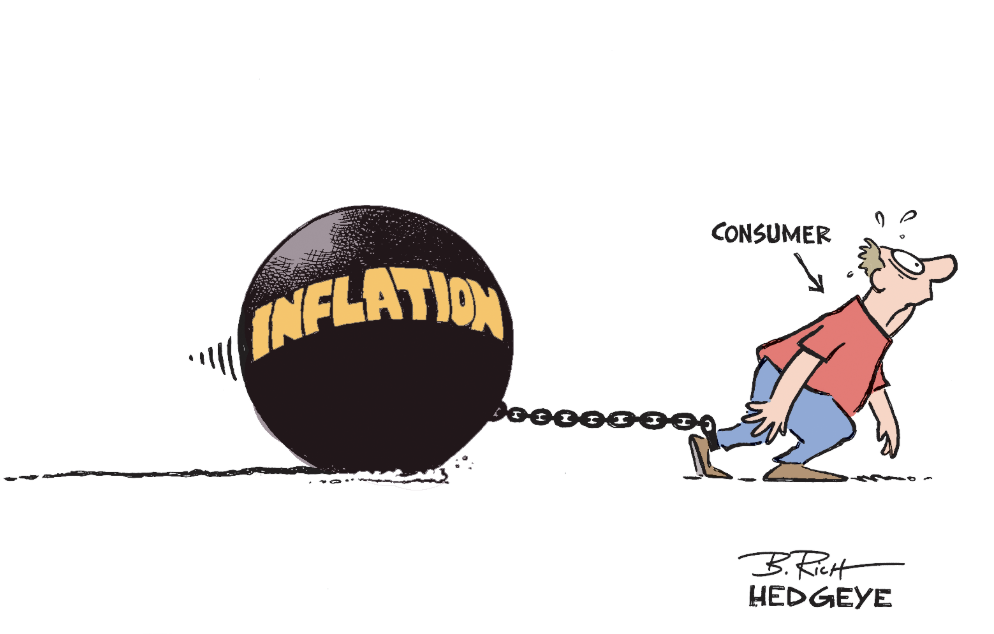
Shock in Turkey: Students Expect Inflation to Soar Beyond 60%
 Closed schools
Turkey’s fight against inflation remains a central concern for households, as new data from the Bahçeşehir University Center for Economic and Social Research (BETAM) reveals persistently high expectations for the year ahead. According to the September 2025 report, households predict inflation will average 54.1% over the next 12 months—well above the official annual rate of 32.95%.
The findings underscore a climate of uncertainty: while 32.5% of participants anticipate inflation landing between 41–60%, only one in four respondents (25.2%) believe prices will fall below current levels. The data signals a lack of confidence in a significant easing of inflationary pressures anytime soon.
Students Lead With the Highest Inflation Outlook
Among different social groups, students emerged as the most pessimistic segment. Their average inflation expectation surged to 60.7%, a sharp 6.5-point increase compared to the previous month.
Analysts suggest students’ outlook reflects their direct exposure to rapidly rising education, housing, and food costs. University life, often centered around urban areas with steep rent increases, makes students especially vulnerable to inflationary shocks.
How Other Groups Perceive Inflation
The BETAM report highlights wide disparities across employment categories:
-
Retirees and the non-working population: 57.7%
-
Private sector employees: 54.5%
-
Unemployed and job seekers: 50.4%
This breakdown illustrates how inflation expectations often mirror individual exposure to economic vulnerabilities. Retirees, living on fixed pensions, tend to perceive inflation as a greater threat to their financial security compared to those actively employed.
Lowest Expectations Found Among Public Sector Workers
Interestingly, the group with the lowest inflation projection was salaried government employees, who forecast an average rate of 45.7%. This marked a 9.8-point drop from the previous month, representing the steepest decline among all categories.
Economists note that this shift may be tied to relatively stable wage adjustments and job security in the public sector, which buffer employees from the volatility faced by other groups.
Inflation Expectations by Age
The survey also segmented inflation views by age, revealing generational differences:
-
25–34 years old: lowest expectations at 51.2%
-
65 years and older: highest expectations at 56.2%
Older populations, often reliant on pensions and savings, tend to anticipate higher inflation due to their heightened sensitivity to price changes in essential goods such as healthcare, food, and utilities. Younger groups, meanwhile, display slightly more optimism, though still at levels well above official inflation targets.
Why High Expectations Matter
Inflation expectations play a critical role in shaping actual economic outcomes. When households and businesses anticipate rising prices, they often adjust their behavior—workers demand higher wages, firms set higher prices, and savers turn to hard assets like gold and foreign currency. This self-fulfilling cycle can make inflation stickier and harder to contain.
Turkey’s current challenge lies not only in lowering inflation but also in anchoring expectations. Economists emphasize that without restoring confidence, even modest progress in reducing official inflation figures may fail to alter household sentiment.
The Bigger Picture
Turkey’s inflation crisis has deep roots, driven by currency depreciation, high energy import costs, and structural imbalances in wages and savings. For students, retirees, and low-income workers, these macroeconomic forces translate into daily struggles—from rent hikes to food bills.
BETAM’s September report serves as a stark reminder: inflation is not merely a number on a chart but a lived reality, reshaping household budgets and long-term financial planning.
As expectations remain above 50% across nearly all demographics, the question is no longer whether inflation is under control, but how much longer households will endure the pressure—and whether confidence in economic stability can be restored.
Related articles

Inflation Expectations Improve, Minister Şimşek Says Trend Supports Disinflation
Koç University Survey: Turkey’s Year-End Inflation Expectation Falls to 65%
Inflation Expectations Rise as TCMB’s November Market Participants Survey Signals Shifting Outlook