Food Crisis Deepens: Turks Now Buy Vegetables in Quarters
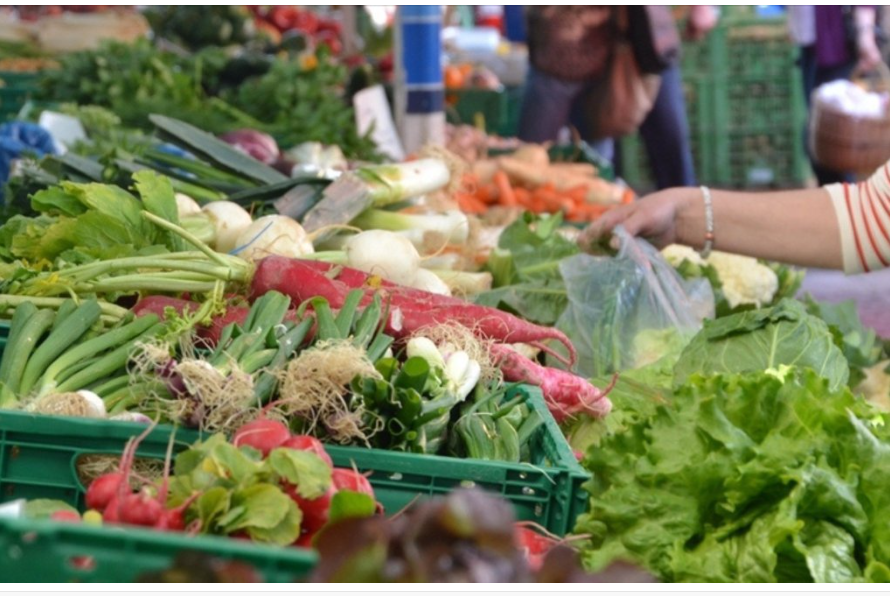 food prices
Soaring food prices in Turkey are forcing families to take desperate measures — and the humble cabbage has become the latest symbol of the country’s cost-of-living crisis. At a local market in Osmaniye’s Kadirli district, street vendor Ahmet Kesme explained that he now sells cabbages not as whole vegetables, but in halves and quarters.
With prices ranging from TRY 80 to TRY 120 per head, many shoppers can no longer afford to buy a full cabbage. “We cut them into four pieces. Some customers don’t even have the money for half, so they buy a quarter for TRY 30,” Kesme said. “Business has lost its taste. People complain everything is too expensive.”
Life Gets Pricier, One Vegetable at a Time
The rising cost of basic goods — fueled by inflation, transport expenses, and fines linked to market regulations — is pushing both vendors and customers to the brink. For Kesme and others, new scales inspections and vehicle weight limits have increased logistical costs. “My vehicle can only carry 1.5 tons, so we can’t load two tons of goods. A friend was fined TRY 35,000 for going over the limit,” he explained.
These added burdens pile on top of already rising production and distribution costs, directly inflating the prices consumers face at neighborhood markets.
Shoppers Voice Their Struggles
Market-goers in Kadirli voiced their frustration and despair over the unrelenting rise in food prices. One shopper lamented: “Prices are expensive; they never drop. We buy what little we can. Sometimes I shop one week, then skip the next because I can’t afford it.”
Another echoed an even harsher reality: “It’s too high. We can’t buy anything. Look — my hands are empty. We can’t even afford a quarter of a cabbage.”
Others resorted to resignation. One elderly buyer sighed: “What can I say? May God grant us the best. It’s all we can hope for.”
A National Problem Seen Locally
The story unfolding in Osmaniye is far from unique. Across Turkey, the same pattern repeats itself: families cutting back on essential groceries, vendors struggling with rising overhead, and staple foods turning into luxury items.
While inflationary pressure has hit everything from meat to dairy, the cabbage — once an inexpensive kitchen staple — is now a symbol of how far purchasing power has fallen.
Why Cabbage?
Cabbage is traditionally one of Turkey’s most accessible vegetables, commonly used in home cooking and winter dishes. Its transformation from an everyday staple to a product sold by the quarter underlines the severity of the crisis. When families are forced to ration even the cheapest vegetables, economists say, it signals a profound breakdown in household budgets.
The Broader Economic Impact
Economists note that such examples highlight the erosion of consumer confidence. When basic nutrition becomes unaffordable, families not only cut spending at markets but also reduce consumption in other areas of the economy. This domino effect places added strain on small businesses and weakens overall economic resilience.
For vendors like Kesme, survival now depends on finding new ways to adapt to customers’ shrinking budgets. Cutting vegetables into smaller, affordable portions is one coping mechanism — but it’s also a stark indicator of just how fragile household finances have become.
Looking Ahead
As prices show little sign of easing, both vendors and consumers brace for more difficult months ahead. Unless broader structural reforms are enacted to address inflation, rising transport costs, and regulatory fines, Turkey’s local markets may continue to witness scenes that were once unimaginable: families unable to buy even a quarter of a cabbage.
For many in Kadirli and beyond, the reality is summed up in a single statement: “We can’t even afford a quarter cabbage anymore.”