



Shockwave in Turkish Politics: 8 AKP Provincial Heads Resign Within Days
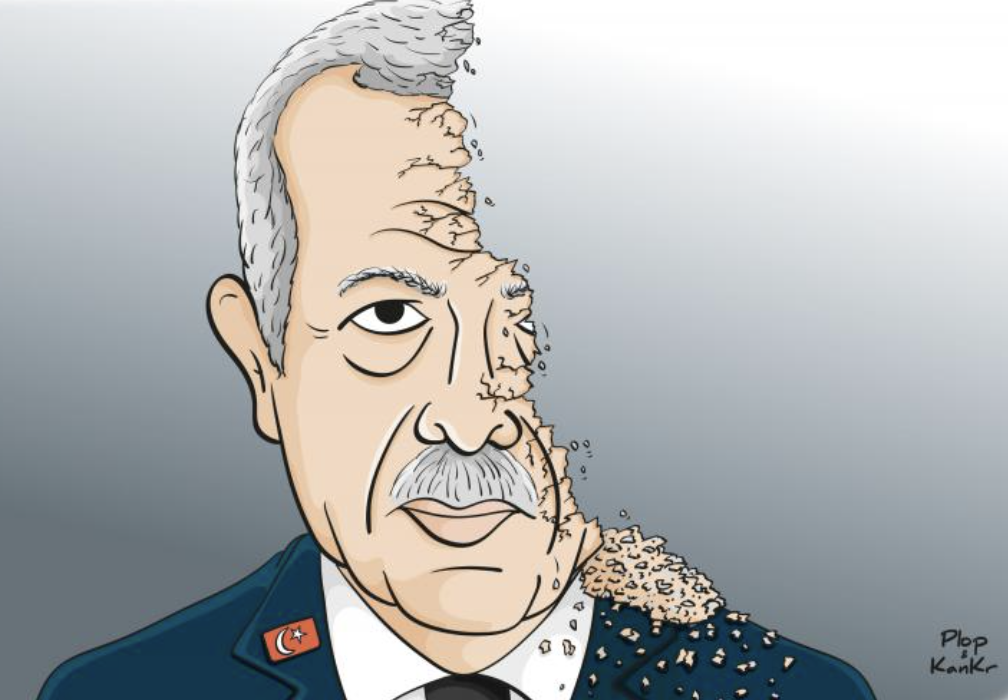 erdogan
The ruling Justice and Development Party (AKP) is experiencing an unexpected wave of resignations at the provincial level. Beginning on Thursday and continuing through the weekend, eight provincial chairpersons announced they were stepping down, marking one of the most significant internal reshuffles in recent memory.
The resignations came from Muğla, Çanakkale, Adıyaman, Niğde, Tunceli, Bitlis, Elazığ, and Ordu, reshaping the party’s organizational structure in less than three days. Such simultaneous departures have raised eyebrows in political circles, sparking speculation about both internal dynamics and the party’s future strategy.
Party Leadership Breaks Silence
Initially, the AKP refrained from commenting on the sudden resignations. However, after growing public attention, the party released a formal statement over the weekend. According to the explanation, the leadership attributed the changes to underperformance in post-congress city-level activities.
The statement read:
“Following a comprehensive evaluation aimed at elevating our party’s presence in cities after the congress period, eight provinces have undergone leadership changes. New provincial chairpersons and their management teams will assume their roles shortly. The primary reason for this process has been the insufficient level of local work after the congress. These changes are being conducted in a manner befitting the dignity and unity of our party, which is more than a political organization but a family bound by a common cause.”
Preparing for 2028
AKP officials emphasized that the reshuffle is designed to energize local organizations and prepare the party for upcoming political challenges. The statement linked the changes directly to the “Türkiye Yüzyılı” vision championed by President Recep Tayyip Erdoğan, with the ultimate goal of entering the 2028 general elections with renewed strength.
Party leaders framed the resignations not as a crisis but as a strategic adjustment to ensure the most dynamic cadres are in place for the next electoral contest.
Political Reactions and Speculations
While the official explanation points to routine organizational evaluations, political analysts suggest that the scale and speed of the resignations point to deeper undercurrents. In an earlier commentary, party figure Şamil Tayyar hinted that the wave may not be over, remarking that the number of resignations could rise further.
Observers are debating whether these shifts are driven purely by performance assessments or whether they reflect internal factional tensions, generational turnover, or strategic repositioning within the AKP ahead of a critical political cycle.
Eight Provinces, Eight New Leaders
The simultaneous turnover in Muğla, Çanakkale, Adıyaman, Niğde, Tunceli, Bitlis, Elazığ, and Ordu marks one of the most concentrated sets of resignations in the party’s history. In each province, new leadership appointments are expected in the coming weeks, with the central headquarters stressing that the transition will be smooth and immediate.
For local party branches, the challenge will be maintaining organizational momentum during the leadership handover. For the central leadership, the challenge will be ensuring that newly appointed chairpersons can galvanize grassroots networks at a time when opposition parties are also recalibrating their strategies.
Why Now?
The timing of the shake-up — coming just months after the congress period — is noteworthy. AKP officials have repeatedly emphasized that city-level political engagement did not meet expectations in the aftermath of the congress. By making a coordinated move across eight provinces, the leadership appears intent on sending a clear message: underperformance will not be tolerated.
This move also reflects Erdoğan’s longstanding approach to party management — regularly refreshing cadres to maintain momentum and loyalty within the ranks. While the official narrative highlights efficiency and energy, the coordinated nature of the resignations leaves room for broader interpretation.
The Road to 2028
As Turkey looks toward the 2028 elections, the AKP is signaling that it intends to enter the campaign with renewed local leadership across the country. Whether these changes will boost the party’s organizational vitality remains to be seen, but the leadership clearly aims to present a picture of unity, discipline, and proactive preparation.
For now, the wave of resignations has added both intrigue and uncertainty to Turkish politics. The coming weeks, when new provincial chairpersons assume office, will reveal whether the party’s internal restructuring succeeds in reinvigorating its base or fuels further speculation about deeper divisions.