Mehmet Şimşek: Turkey Enters Disinflation Phase
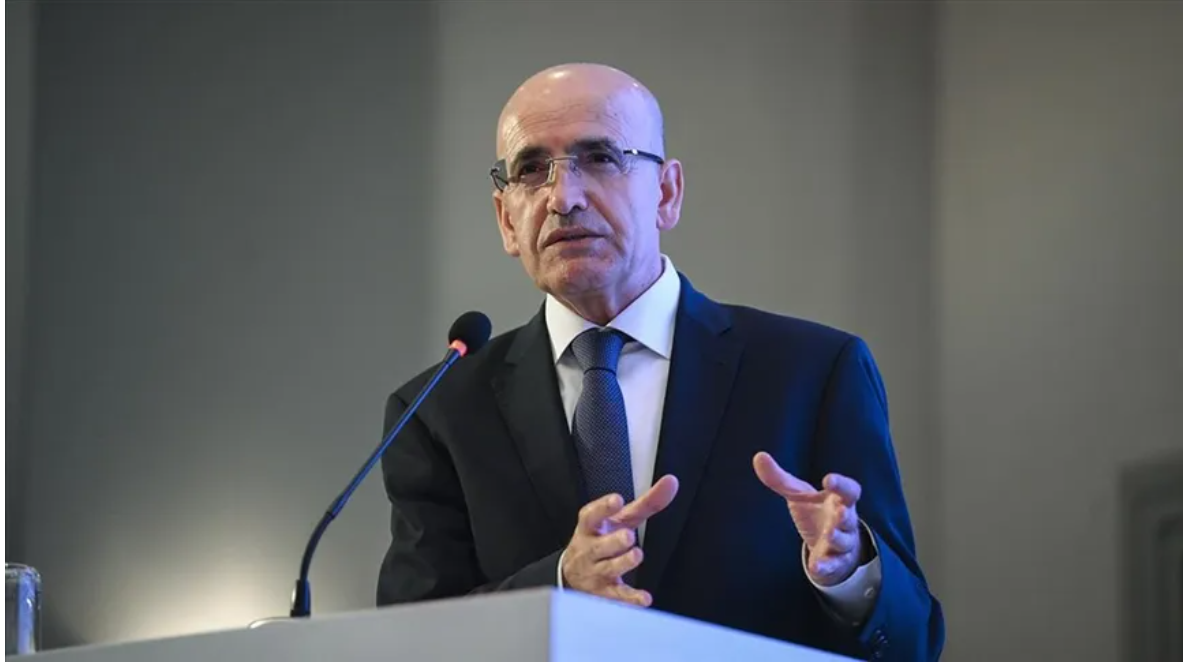 Mehmet Şimşek
Turkey’s Finance and Treasury Minister Mehmet Şimşek has declared that the government’s economic program is achieving its objectives, signaling that the country has now entered a disinflation phase. Speaking in a televised interview with A Haber, Şimşek highlighted improvements in macroeconomic indicators, fiscal discipline, and external balances, while underlining that year-end inflation is projected to fall below 30%.
Program Goals: From Stability to Disinflation
Şimşek explained that the initial priority of the program was to restore financial stability after periods of volatility. That objective, he argued, has largely been met. The focus has now shifted toward reducing inflation and reinforcing economic resilience.
“The first goal of our program was to prevent instability in financial markets. We achieved that. Now, disinflation has begun, and we are moving toward strengthening the economy’s durability,” he said.
The minister stressed that despite global and regional shocks, the government has remained committed to its economic roadmap.
Positive Signs in Macroeconomic Indicators
Şimşek underscored several areas of improvement, pointing to declining Credit Default Swap (CDS) premiums, which reflect investor confidence in Turkey’s financial health.
“If we had not faced these external shocks, CDS could have fallen below 200 basis points,” he noted.
He forecast that inflation will dip below 30% by year-end, with a medium-term target of bringing it under 20%. This would mark a major milestone in Turkey’s effort to stabilize prices after years of double-digit inflation.
Budget and Fiscal Balance
Addressing fiscal performance, Şimşek acknowledged the impact of extraordinary spending, particularly earthquake-related expenditures, on budget balances. While the target budget deficit was 3.1% of GDP, he said the final figure would likely close at 3.6%.
Despite this, Şimşek argued that the budget remains under control and within sustainable limits. He also stressed that the current account deficit is no longer a major concern, projecting that excluding gold imports, Turkey’s current account gap will remain below 0.5% of GDP over the next three years.
Tackling Abuse of Concordat and KKM Phaseout
The minister also addressed issues surrounding concordat practices, a legal mechanism for debt restructuring. He confirmed that complaints of misuse have been raised and that joint working groups are being formed to prevent abuse.
On the foreign-exchange protected deposit scheme (KKM)—a tool introduced to stabilize the lira—Şimşek emphasized that the mechanism is being phased out. From its peak levels, the volume of KKM has already dropped to $8.7 billion, and he signaled that by December the system will be fully removed from the agenda.
Defense Industry and Structural Transformation
Looking ahead, Şimşek highlighted Turkey’s potential in the global defense industry, projecting that worldwide defense spending will rise to $6 trillion by the mid-2030s. He expressed confidence that Turkey would become one of the top 10 defense exporters.
At the same time, he stressed the need for structural reforms to ensure the economic program’s sustainability. Among the areas he identified were:
-
Green transformation, aligning Turkey with global climate and energy transition goals.
-
Digital transformation, enhancing technological competitiveness.
-
Public procurement reform, increasing transparency and efficiency.
-
State Economic Enterprises (KİT) reform, aimed at improving governance and productivity in public enterprises.
These reforms, he argued, are crucial to locking in long-term growth and resilience.
Balancing Optimism with Realism
While Şimşek painted an optimistic picture of the economy’s trajectory, his remarks also reflected a pragmatic awareness of the challenges ahead. External shocks—from geopolitical conflicts to global monetary tightening—continue to pose risks. Nevertheless, his emphasis on declining inflation, manageable deficits, and structural transformation is meant to reassure investors and citizens alike that Turkey is on a sustainable economic path.
Related articles

OPINION: Turkey the only winner in Iran War
Prominent Economist Mahfi Eğilmez Warns CBRT to Revise Inflation Forecast Range

BBVA Research Cuts Turkey’s 2025 Inflation Forecast After Lower-Than-Expected July CPI