Soaring Beef Prices in Turkey Highlight Worsening Inflation Crisis
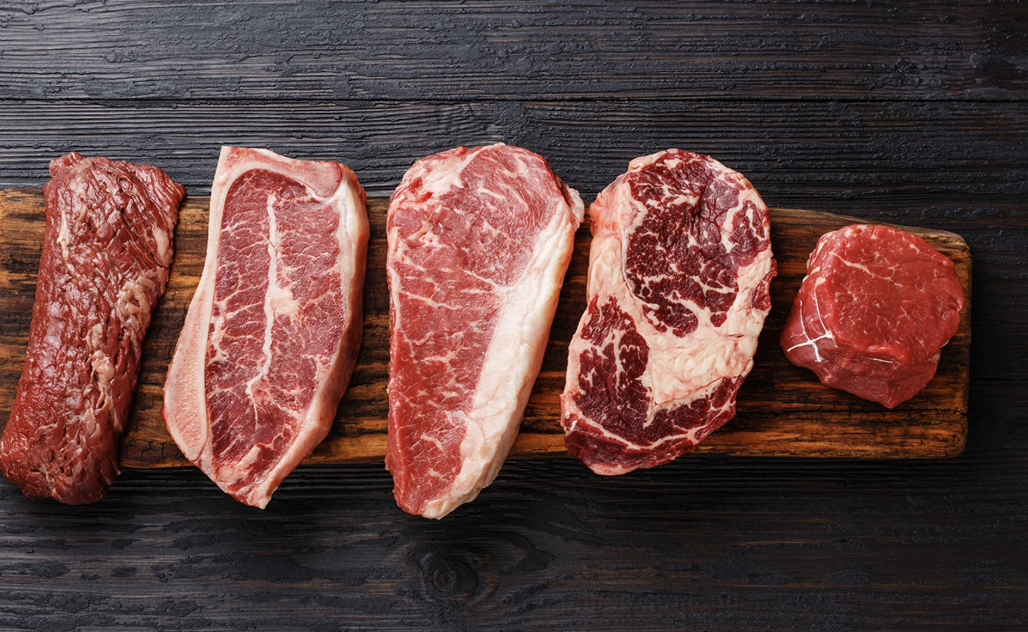 meat prices
Turkey’s struggle with soaring inflation has taken a new turn as fresh data shows that beef prices have skyrocketed far beyond overall food inflation. According to figures published by economist İnan Mutlu, while average food prices in Turkey have increased by 327% over the past three years, the price of beef surged by an astonishing 591%, making red meat increasingly inaccessible for many households.
The figures have reignited debate over the cost-of-living crisis and raised alarms over its long-term impact on nutrition and public health.
Beef Prices Far Outpacing Overall Food Inflation
Mutlu’s analysis, based on data dating back to January 2022, reveals the scale of the crisis in everyday terms. For many families, rising food bills have become a source of anxiety, but beef stands out as the most dramatic example. While basic foodstuffs have already risen more than threefold in just three years, beef prices have outpaced general inflation nearly twofold.
This discrepancy highlights how inflation does not affect all products equally. Red meat, long considered a staple in Turkish diets, is now increasingly classified as a luxury product for low- and middle-income families.
A Crisis Visible in Every Kitchen
For ordinary citizens, the price hikes are not abstract economic data but a daily reality. Grocery receipts, once manageable, have become a constant reminder of dwindling purchasing power. Families who used to include beef in their weekly meals now report reducing portions or cutting it out altogether.
This situation paints a stark picture: inflation is not just a macroeconomic problem but a kitchen-table crisis that alters diets, reshapes family budgets, and impacts long-term health outcomes.
Expert Warnings: The “Stunted Children” Problem
Commenting on the findings, İnan Mutlu warned of a looming public health risk associated with declining access to protein-rich foods:
“We have a very serious problem of inaccessibility to red meat,” Mutlu said. “This will worsen the issue of stunted children, which arises from insufficient and unbalanced nutrition.”
His remarks echo concerns long raised by nutritionists and health professionals: that economic hardship often translates into malnutrition, particularly among children. When households cut protein from their diets, children face risks of slower physical development, weakened immune systems, and long-term health consequences.
Beyond Economics: A Public Health Challenge
While inflation is often debated in terms of monetary policy, interest rates, and currency fluctuations, Mutlu’s data underscores its human dimension. The surge in beef prices is not only about wallets but about well-being, dietary balance, and generational health.
The potential rise in childhood stunting, a term used to describe children whose growth is hindered by poor nutrition, represents a profound challenge. Unlike temporary economic downturns, malnutrition leaves permanent scars. For policymakers, this raises urgent questions about food security, welfare measures, and targeted subsidies for essential products.
Why Beef Prices Are Rising Faster
Economists point to several reasons why beef prices are surging beyond general food inflation:
-
Supply shortages: Domestic cattle production has struggled to keep pace with rising demand, partly due to higher feed costs.
-
Currency depreciation: Turkey’s lira weakness makes imported feed and veterinary supplies more expensive, pushing costs up.
-
Import restrictions: Limitations on meat imports reduce competition and supply, further inflating local prices.
-
Inflationary spiral: General inflation drives up transport, storage, and labor costs, compounding the problem.
Together, these structural issues explain why beef has become a symbol of Turkey’s inflation crisis.
The Social Impact: Meat as a Luxury
The psychological effect of beef prices reaching such levels cannot be underestimated. In Turkish culture, where communal meals and celebrations often revolve around meat dishes, the inability to afford beef represents not only an economic challenge but also a cultural loss.
Families now reserve beef for special occasions, weddings, or holidays, while everyday diets increasingly rely on cheaper staples such as lentils, pasta, or chicken, if even that remains affordable.
What Needs to Be Done
Experts argue that addressing this crisis requires more than short-term fixes. Measures that could alleviate the problem include:
-
Targeted subsidies on essential protein sources to ensure families can maintain balanced diets.
-
Reforms in livestock policy, including support for feed production and supply chains.
-
Currency stabilization efforts to reduce the cost of imports critical to cattle farming.
-
Improved social safety nets to protect vulnerable households from food insecurity.
Without such steps, Turkey risks not only economic instability but also a generational health crisis.
Related articles
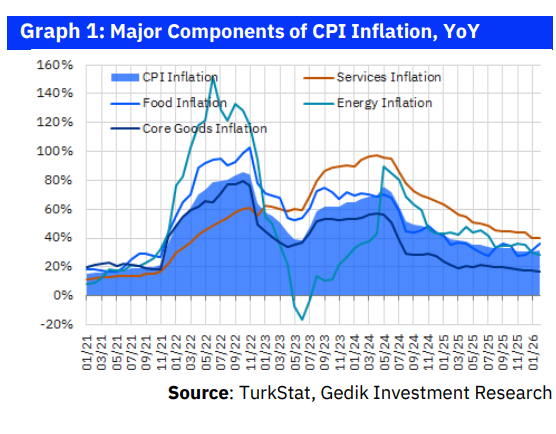
ANALYSIS: Turkish Inflation Climbs, Geopolitical Risks Force CBRT to Reconsider Rate Cuts

Turkiye annual inflation to rebound to 47.3% after tax hikes, lira decline
Turkey’s October Inflation: Historical Patterns Point to Persistent Price Pressure