NATO’s Mark Rutte Pushes for Turkey’s Inclusion in EU SAFE Defense Program
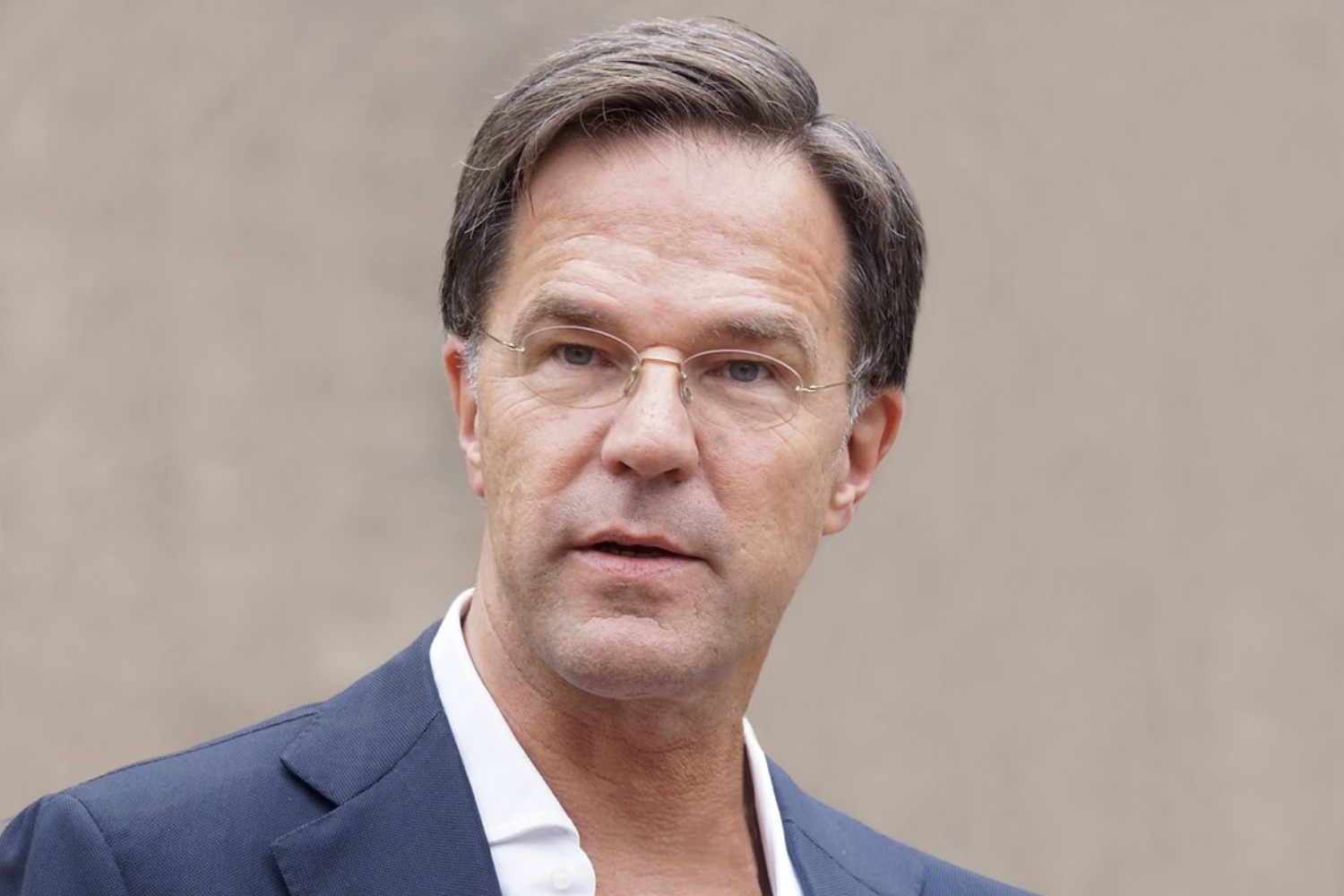 Mark Rutte
In a significant diplomatic development, NATO Secretary-General Mark Rutte has voiced support for Turkey’s participation in the European Union’s SAFE (Security Action for Europe) program, a massive €150 billion defense initiative. His remarks came during a meeting with EU ambassadors last Thursday, marking his first appearance at the Committee of Permanent Representatives (Coreper) since taking office.
The move reflects Rutte’s broader agenda of strengthening NATO-EU ties at a time when Europe is under pressure to bolster its defense industry in the face of mounting global security challenges.
Turkey’s Application to SAFE
The meeting took place just days after the European Commission confirmed Ankara’s official application to join SAFE, a program designed to enhance Europe’s defense production capacity, streamline coordination, and reduce dependency on external suppliers.
Turkey’s bid represents a calculated effort to deepen its role in Western security frameworks while also gaining access to the EU’s growing defense ecosystem. Analysts note that the application underscores Ankara’s desire to reposition itself as an indispensable player in Europe’s security architecture.
Rutte’s Argument: Linking NATO and EU Security
Rutte told EU representatives that closer cooperation with Turkey would ultimately benefit NATO as a whole. By allowing Ankara to participate in SAFE, he suggested, the EU could ease Turkey’s long-standing reluctance to share sensitive NATO information with Brussels.
“Recognizing Turkey’s military capabilities through participation in SAFE would not only strengthen EU defense capacity but also open channels for deeper NATO-EU collaboration,” Rutte reportedly argued, according to diplomatic insiders.
His position signals a strategic recalibration. Where past NATO leadership often walked a fine line between Brussels and Ankara, Rutte appears more willing to defend Turkey’s place in European security matters.
The Standards Dispute: NATO vs. EU
Yet the issue is far from straightforward. The debate hinges on the use of NATO defense standards within EU-funded projects. While Rutte has already allowed EU access to unclassified NATO standards—a move that reportedly frustrated Turkey—the transfer of classified defense data requires unanimous NATO approval.
This procedural detail gives Ankara significant leverage. Turkey has historically used its veto power to block deeper NATO-EU data sharing, particularly when it perceives its strategic interests are being sidelined.
One diplomat described the situation as a delicate balancing act: “NATO cannot impose conditions while at the same time blocking the defense development that the EU finances with external funds.”
Turkey’s Shifting Defense Posture
The backdrop to this debate is Turkey’s evolving role in Western defense policy. In recent months, Ankara has intensified its involvement in high-profile discussions on post-war Ukraine, and has even signaled willingness to deploy Turkish forces in a potential future peacekeeping mission—a stance that has received support from French President Emmanuel Macron.
These moves reflect Ankara’s broader effort to rehabilitate ties with Western allies after years of friction. Turkish officials have framed participation in initiatives like SAFE as an opportunity to demonstrate Turkey’s reliability as a security partner while also securing a share of Europe’s lucrative defense contracts.
Rutte’s Transformation: From Rival to Advocate
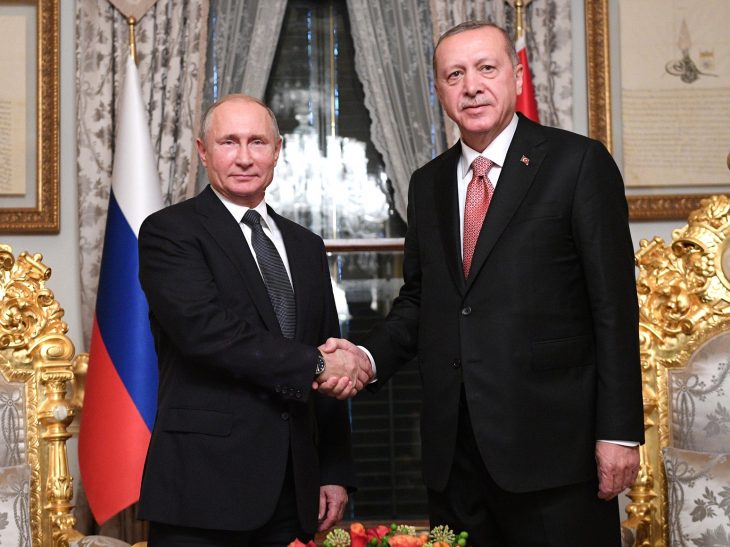
Mark Rutte’s support for Turkey carries added significance given his personal history with Ankara. As Dutch prime minister, he clashed openly with President Recep Tayyip Erdogan on several occasions, most notably during a 2017 diplomatic crisis that froze relations between the two nations.
Since taking over as NATO Secretary-General in October, however, Rutte has repeatedly spoken in defense of Turkey’s role within the alliance. In May, he publicly criticized Germany for restricting Eurofighter jet sales to Turkey, declaring:
“There should be no restrictions on arms sales between allies.”
This shift in tone underscores Rutte’s recognition of Turkey’s strategic importance, both for NATO cohesion and for Europe’s defense ambitions.
EU Member States Hold the Key
Despite Rutte’s advocacy, the final decision rests with EU member-states. While NATO can offer guidance and political support, SAFE remains an EU program governed by European institutions.
An EU diplomat emphasized this reality: “SAFE is fundamentally a European initiative. Whether Turkey participates will ultimately be determined by EU governments, not NATO.”
For some member-states, Turkey’s participation raises sensitive political and industrial questions, including how much influence Ankara would wield over defense procurement priorities and whether its involvement could complicate existing EU defense strategies.
What’s at Stake
The debate over Turkey’s role in SAFE encapsulates a larger question about the future of European defense integration. Can the EU develop robust defense capabilities while maintaining close alignment with NATO, or will competing institutional interests create persistent friction?
Turkey’s potential inclusion is a test case. If successful, it could open new avenues for collaboration while bridging a long-standing NATO-EU divide. If blocked, it risks reinforcing Turkey’s perception of exclusion and may drive Ankara to pursue alternative defense partnerships outside of Europe.