



20 Million TL Scam Uncovered: Fraud Gang Posing as Bank Staff Busted in İzmir
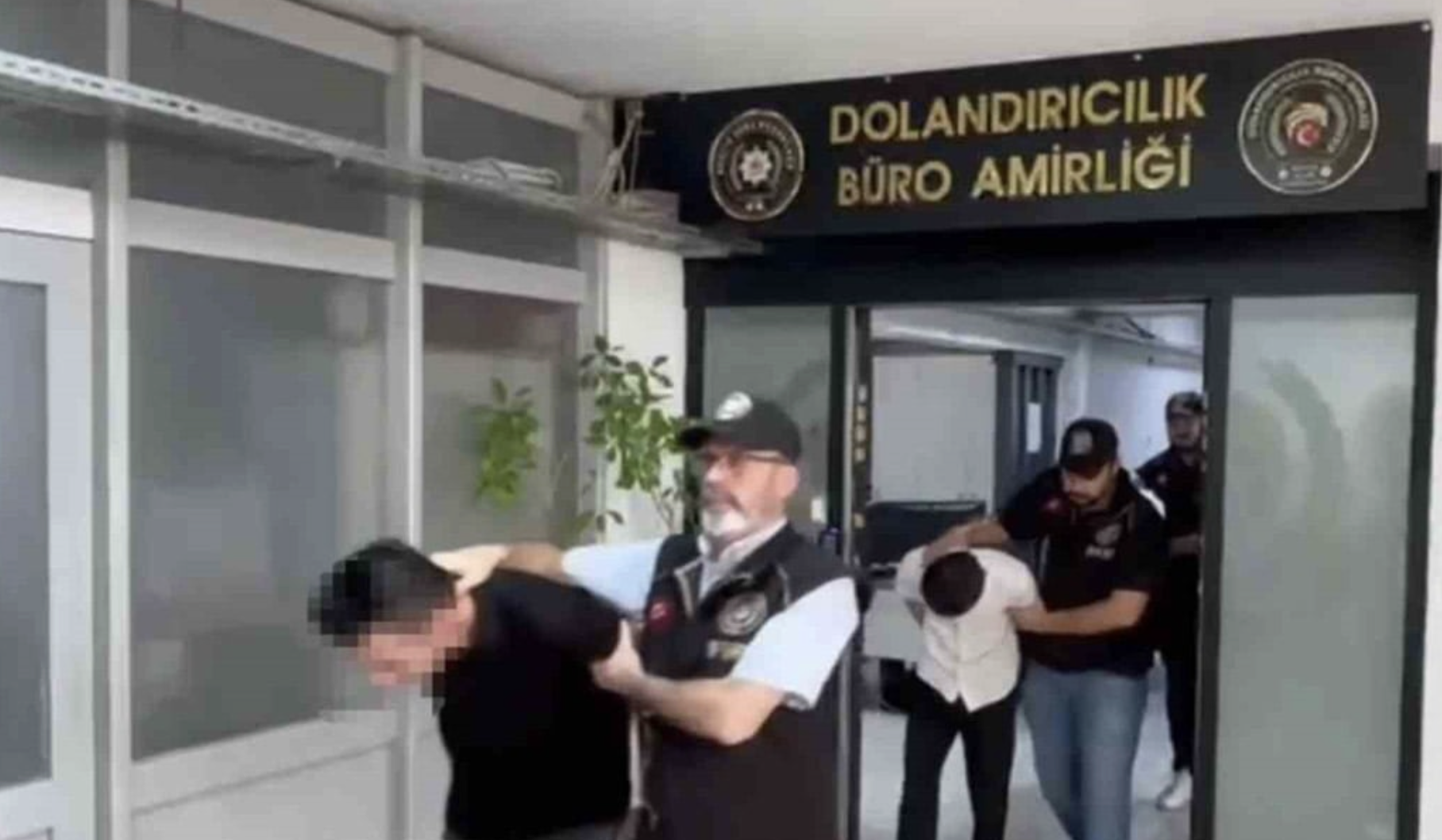 Fraud in Turkey
Turkish authorities have dismantled a large-scale fraud ring that impersonated bank employees to scam unsuspecting citizens. The criminal network, led by a suspect identified as V.U., defrauded 67 victims of more than ₺20 million through fake transactions.
The operation was coordinated by the İzmir Chief Public Prosecutor’s Office and carried out by the Fraud Bureau of the İzmir Police Department’s Public Order Branch. Investigators determined that the suspects, posing as legitimate bank officials, orchestrated schemes throughout 2024, tricking victims into transferring funds into accounts controlled by the gang.
Simultaneous Raids Across 26 Provinces
On September 9, 2025, police conducted simultaneous raids across 26 provinces centered in İzmir. During the coordinated operation:
-
84 suspects were detained.
-
Searches at residences and workplaces uncovered a cache of evidence, including:
-
1 unlicensed firearm
-
3 blank-firing guns
-
Numerous mobile phones, computers, and other digital devices used in the fraud scheme.
-
Officials said the scale of the operation reflected the organized and highly coordinated nature of the group, which targeted victims across multiple provinces with a sophisticated web of deception.
53 Suspects Formally Arrested
Following interrogations, the judicial process produced mixed outcomes:
-
13 suspects were released after questioning at the police station.
-
Of the 71 individuals referred to court,
-
18 were freed under judicial control,
-
while 53 were formally arrested and sent to prison.
-
The arrests mark one of the largest fraud-related crackdowns in Turkey in recent months.
How the Scheme Worked
Authorities revealed that the fraudsters typically posed as bank staff calling clients by phone. By using convincing language, fabricated documents, and digital manipulation, they persuaded victims to authorize false transactions or provide access to sensitive banking information.
Funds were then swiftly transferred into accounts controlled by the network, leaving victims with little recourse before their money disappeared. The method highlights how social engineering tactics remain a major challenge for law enforcement, even as banks enhance security systems.
Broader Significance
The operation underscores both the scale of financial fraud in Turkey and the growing importance of multi-province coordination in combating organized crime. With technology enabling criminals to reach across borders and jurisdictions, police emphasized that collaborative, real-time operations are essential for protecting citizens.
Officials also urged the public to remain vigilant, warning that legitimate bank employees never request confidential information, remote access, or immediate transfers during phone calls.
Official Statement
In a statement, the İzmir Chief Public Prosecutor’s Office highlighted the importance of the case:
“Through coordinated action across 26 provinces, law enforcement has dismantled a criminal network that deceived dozens of citizens, causing losses of more than ₺20 million. The operation demonstrates our determination to protect citizens from organized fraud and bring perpetrators to justice.”
Comparison to Previous Crackdowns
The case is part of a broader national campaign against cyber-enabled fraud and identity theft. In recent years, Turkey has stepped up its fight against organized financial crimes, with special units targeting schemes ranging from phony investment offers to SIM card swaps and fake government calls.
While such scams are not unique to Turkey, experts note that they often exploit trust in official institutions—making impersonation of bank officials, prosecutors, and police officers one of the most common tactics worldwide.
A Landmark Operation
The İzmir-led crackdown on September 9 marks a major victory in the fight against organized financial crime. With 84 suspects detained and 53 jailed, authorities sent a strong signal that fraud operations targeting ordinary citizens will face heavy consequences.
Yet, officials caution that the threat is ongoing. As fraudsters adapt their methods with new technologies, the need for public awareness, digital literacy, and robust enforcement remains urgent.
For the victims who lost more than ₺20 million, justice has taken an important step forward—but for Turkey, the case is a reminder that vigilance against fraud must remain a top priority.