Şimşek Highlights Progress on Current Account and External Financing
 Mehmet Şimşek
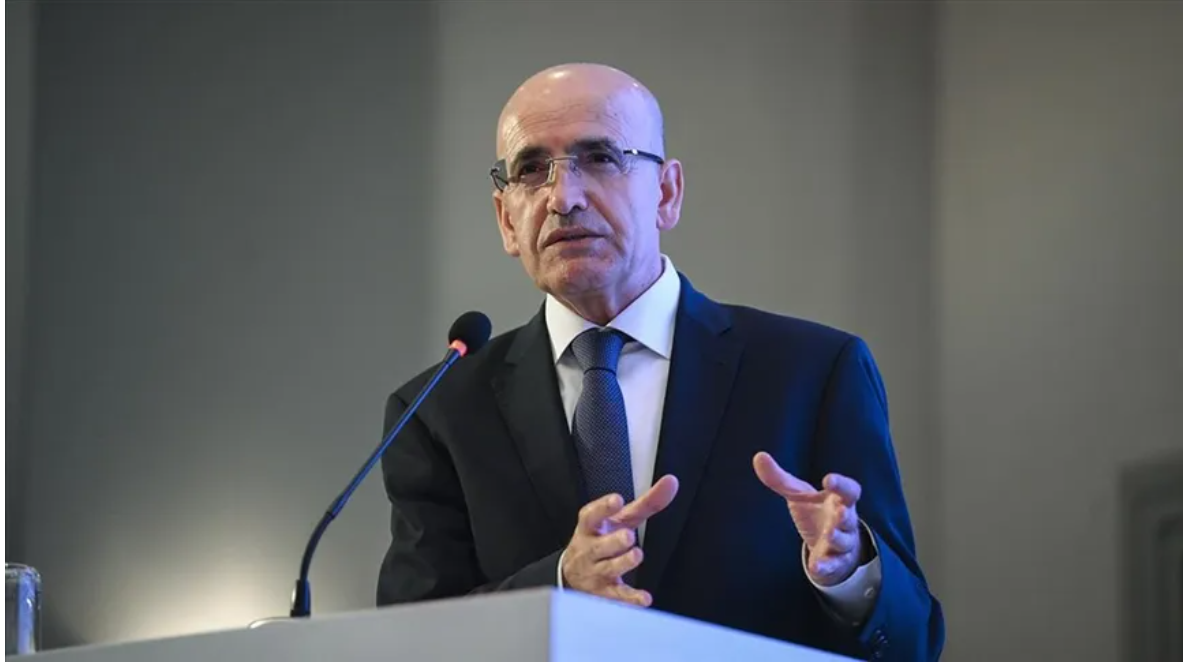
Turkey’s current account performance is showing signs of steady improvement, according to Finance and Treasury Minister Mehmet Şimşek. Speaking on X, Şimşek outlined how the government’s economic program is shaping external balances and strengthening financial sustainability.
He highlighted that in July, the current account posted a surplus of $1.8 billion, marking a notable shift toward healthier external dynamics. On an annualized basis, Turkey’s current account deficit narrowed to $18.8 billion, reinforcing expectations that the trend is moving in a positive direction.
External Financing Gains Strength
Beyond the current account, Şimşek underlined a solid outlook for external financing flows. He pointed to the strong debt rollover ratios achieved by both the real sector and banks. Over the first seven months of the year, rollover rates reached 163% for corporations and 227% for banks, levels that are considered well above international thresholds for stability.
This resilience, he argued, demonstrates that foreign lenders and markets have confidence in Turkey’s macroeconomic direction and reform commitments.
Outlook for the Third Quarter and 2025
Looking ahead, Şimşek expects further improvement in the balance of payments. “With the narrowing trade deficit in the third quarter and the boost from tourism revenues, we anticipate continued progress in the annual current account balance,” he said.
The minister also projected that by 2025, the current account deficit-to-GDP ratio will stabilize at around 1.4%, a figure regarded as sustainable by global economic standards. Such a level would significantly reduce Turkey’s vulnerability to external shocks, especially in an environment of global financial volatility.
Structural Reforms at the Core
While short-term indicators are promising, Şimşek stressed that the government’s vision is anchored in long-term structural reforms. “With comprehensive reform steps, we will achieve productivity gains and drive a technology-focused transformation, thereby strengthening our global competitiveness,” he stated.
The minister reaffirmed that sustainable growth requires not just cyclical improvements but also systemic changes in how Turkey produces, exports, and innovates. Investments in technology, efficiency, and innovation are therefore central pillars of Ankara’s economic roadmap.
Tourism and Trade: Key Pillars of Balance
Tourism, one of Turkey’s most vital sectors, is emerging as a decisive factor in supporting the current account. Rising visitor numbers, combined with a rebound in service exports, are helping offset the country’s trade deficit, which had weighed heavily on external balances in past years.
The narrowing trade gap also reflects Turkey’s efforts to diversify export markets while stabilizing imports through more measured demand and currency adjustments. Together, these developments are creating a more balanced external environment.
Confidence-Building Through Policy Continuity
One of the critical takeaways from Şimşek’s remarks is the emphasis on policy credibility and continuity. Market observers note that consistent implementation of the medium-term program is crucial for building trust among international investors. The high rollover ratios reported by both banks and corporations suggest that these stakeholders are responding positively.
By maintaining a transparent, rule-based approach to economic management, Turkey aims to secure not just short-term relief but also long-term financial resilience.
Global Context and Competitive Edge
Şimşek’s emphasis on a technology-driven economic transformation aligns with broader global shifts. Countries that successfully integrate digitalization, renewable energy, and advanced manufacturing are expected to hold stronger positions in international trade.
For Turkey, this means that structural reforms must go beyond fiscal discipline, extending into innovation ecosystems, education, and infrastructure. By boosting productivity and technological capacity, Turkey seeks to climb higher in the global value chain, making its growth more sustainable and less dependent on volatile capital inflows.