Turkey’s Main Opposition Vows Legal Battle and Nationwide Protests to Resist Alleged “Judicial Coup”
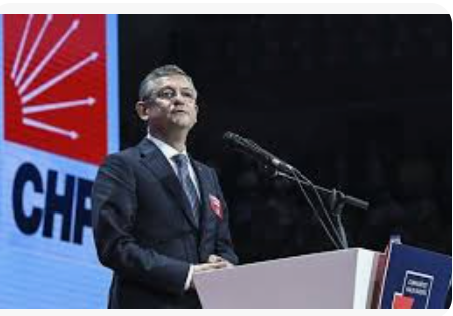 ozgur ozel
Ankara, September 7, 2025 — The Republican People’s Party (CHP), Turkey’s largest opposition group, has declared its intention to file lawsuits and organize mass protests that would halt daily life if the government presses ahead with what CHP officials are calling a “legal coup” against their leadership.
CHP Chair Özgür Özel accused President Erdoğan of undermining multiparty democracy and instituting a Russian‐style one‐party system. He said the CHP is the “last obstacle” to this authoritarian shift. His remarks follow a recent ruling by a lower court that invalidated the 2023 Istanbul provincial congress results, effectively removing CHP’s local leadership and installing a government-aligned interim team.
Özel described the ruling as “a coup against the future ruling party,” arguing that it wipes out any potential for effective opposition in Turkey’s most populous city. He vowed to resist, saying: “If the CHP goes, Turkey will go too.”
Financial markets reacted sharply to the ruling, with Turkey’s main stock index plunging before making a partial recovery. A second, even more consequential hearing is scheduled for September 15, in which Özel and other senior CHP figures could be replaced—neutralizing the party as a political force.
The Rising Tensions: Democracy, Law, and Resistance
The Legal and Political Ramifications
The CHP has vocally rejected the court’s authority in overturning internal party matters, claiming that electoral and internal party decisions lie beyond the jurisdiction of lower courts. Despite the risks of escalating the constitutional crisis, Özel stated the CHP stands ready to respond in kind should Erdoğan continue his “dirty tactics.”
Civil Disobedience as a Strategic Response
Özel announced plans for “peaceful but highly effective” civil disobedience, aiming to “bring life to a standstill” across Turkey. He suggested that tens of millions might take to the streets—but avoided giving detailed numbers or locations, so as not to alert security forces to the opposition’s next moves.
Market Shock Amid Political Instability
The court’s decision rattled markets, reviving concerns that anti-democratic maneuvering could hamper investor confidence and economic stability. Turkey’s political climate remains highly volatile, with previous legal crackdowns already triggering financial turbulence and public unrest.
Why This Matters
-
CHP’s Surging Political Momentum: The CHP has consolidated power in major cities—especially Istanbul and Ankara—posing a credible electoral threat to Erdoğan’s ruling party.
-
Erosion of Democratic Norms: Critics warn that these legal moves reflect a deeper slide into authoritarianism, as the judiciary becomes increasingly politicized.
-
The Public’s Pulse: Past protests over the arrest of Istanbul Mayor Ekrem İmamoğlu and similar crackdowns have revealed widespread public frustration—and awakened greater civic mobilization.
Expanded Context and Paths Forward
1. CHP’s Legal and Political Lifeline
The CHP is gearing up to challenge court decisions through higher judicial bodies, while preparing political countermeasures including extraordinary party congresses and regional mobilizations. Internal primaries and candidate selections will become pivotal in its resistance strategy.
2. Historical Echoes and Democratic Warning Signs
Observers note parallels between these developments and past instances where judicial authority was leveraged to sideline opposition. The pattern underscores concerns about deteriorating democratic checks and balances.
3. Broader Democratic Repercussions
The struggle extends beyond party politics—it shapes the core of Turkey’s democratic future. If the CHP is systematically dismantled, Turkey risks entering an era where dissent is increasingly criminalized and political pluralism is stifled—eroding citizens’ trust in democratic institutions.
Related articles

Ayşe Barım: Arrested for monopolizing star casting, indicted for rebellion against the state

Middle East tensions, austerity drive to curtail Turkish GDP growth
Atilla Yesilada video: Turkish Politics 2025: War at home, peace abroad