



Education Reform in Turkey: Minister Signals Shorter Mandatory Schooling and New Rules on Uniforms
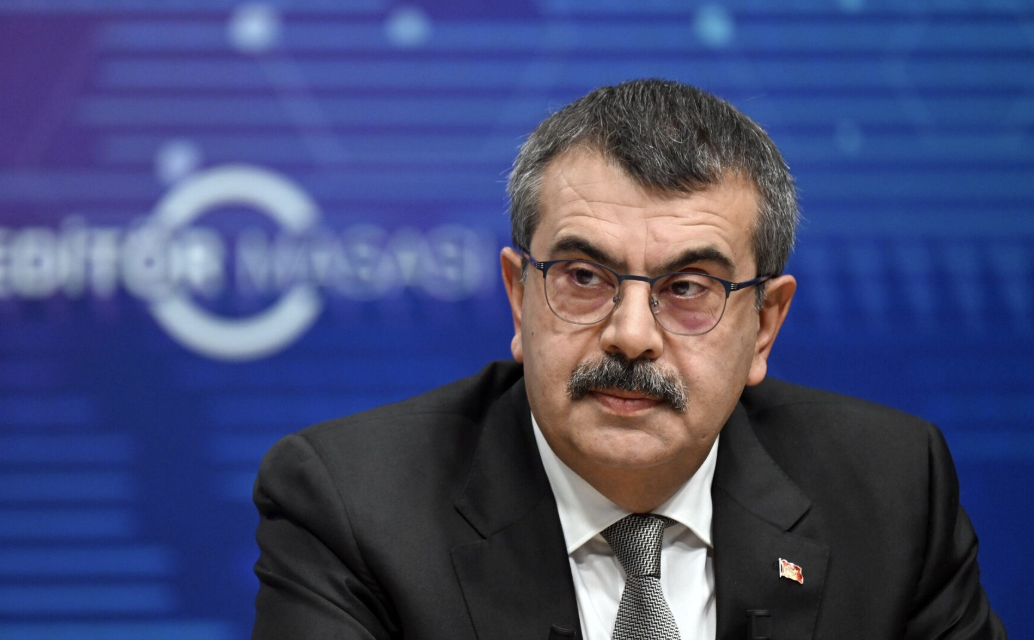 Yusuf Tekin
Turkey’s education system, which affects nearly 19 million students, is set for major revisions. Minister of National Education Yusuf Tekin recently announced that the government is preparing to reform several key areas, from the 12-year mandatory education structure to school uniforms, parent contributions, and service fees. His remarks provide the clearest signal yet that the country’s education policy may undergo its most significant overhaul in more than a decade.
Revisiting the 12-Year Compulsory Education
At the center of the debate lies the 12-year compulsory education model. Introduced to create a unified standard, the system has long faced criticism for being rigid and out of touch with contemporary needs. Minister Tekin openly questioned the model, describing parts of it as undemocratic and signaling an intention to shorten its duration.
“The 12-year compulsory education must be debated. A large public consensus has formed that reducing the length of compulsory schooling would be the correct approach,” he stated, suggesting that the government is seriously considering restructuring the timeline of formal education.
Tekin further argued that the earlier 8-year uninterrupted education system was particularly problematic, saying it imposed uniformity that limited flexibility in student development.
End of Freedom in School Uniforms
Another significant announcement concerned school uniforms. For years, Turkey allowed flexibility by permitting students to wear casual clothes. But according to Tekin, this policy has led to both pedagogical and financial challenges.
“One of the main issues is pedagogical. The absence of a school identity and the emergence of discrimination based on clothing have negatively affected education,” he explained.
He also highlighted the financial burden for families:
“The second problem is the cost it imposes on parents. Families complained that providing casual clothes suitable for school had become an additional strain on household budgets.”
New Uniform Guidelines
The ministry is now moving toward a more standardized approach:
-
No brand enforcement: School administrations and teachers will describe uniforms in general terms—such as “grey trousers, black shirt”—without mandating specific brands or retailers.
-
Four-year validity: To ease financial pressure, the same set of uniforms will remain valid for the duration of a student’s education stage (four years). Parents will not be forced to purchase new uniforms every year.
Black Shoe Rumors Denied
Public debate recently intensified after reports suggested that 18 million students would be required to wear black shoes. These claims stemmed from a report submitted by the Turkish Footwear Industry Association (TASD), which recommended leather shoes for their contribution to child development.
However, the Ministry strongly denied any such policy. Press Advisor Yılmaz Güney clarified:
“There is no approved or pending decision of this kind. The claims about mandatory black shoes are not true.”
Financial Issues: Clear Lines on Donations and Fees
In addition to structural reforms, Minister Tekin addressed financial concerns often raised by parents.
-
No “compulsory donations”:
“There is no such thing as compulsory donations. No one can say ‘They asked me for a registration fee.’ Parents and students cannot be forced,” Tekin emphasized, putting an end to long-standing allegations of forced payments during enrollment. -
Official payment channels only:
He also called on families to make all payments for transportation services and private schools through banks or official channels rather than cash:
“When payments are made by hand, we cannot monitor them. If they are made through official platforms, we can oversee them and prevent possible grievances.”
On rising school bus fees, Tekin noted that authority rests primarily with metropolitan municipalities, with the Ministry of Education only able to provide recommendations.
The Scale of the System: 18.7 Million Students
The scope of these reforms is massive. According to ministry data, Turkey’s formal education system currently includes 18,710,265 students:
-
15,849,271 are enrolled in public schools,
-
1,631,192 in private schools,
-
1,229,802 in open education programs.
These figures highlight the enormous population that will be directly affected by upcoming changes. Every adjustment in policy will impact millions of households and reshape the daily lives of students and parents alike.
Implications for the Future
The debate over shortening compulsory education could transform the trajectory of Turkish schooling. While some see the move as a step toward flexibility and modernization, critics warn it could undermine students’ readiness for higher education or the job market.
At the same time, the uniform policy marks a return to tradition, emphasizing equality and school identity over personal choice. For many families, the pledge to reduce costs by keeping uniforms valid for four years may bring relief.
Financial transparency, particularly in eliminating forced donations and regulating service payments, aims to rebuild trust between parents and schools. Whether these measures succeed will depend on strict enforcement.
Conclusion: A Turning Point in Education Policy
Minister Yusuf Tekin’s statements indicate that Turkey’s education system is heading toward sweeping changes. The reconsideration of 12-year compulsory schooling, the reintroduction of stricter uniform rules, and the clarification of financial practices all point to a government eager to reshape how education functions at every level.
With nearly 19 million students involved, these reforms are not minor adjustments but fundamental shifts. The coming months will determine whether the policies deliver long-promised improvements—or trigger fresh debates about equality, accessibility, and quality in Turkish education.