Mustafa Bilge Altun: From Student to Business Empire Fueled by Corruption and Favoritism
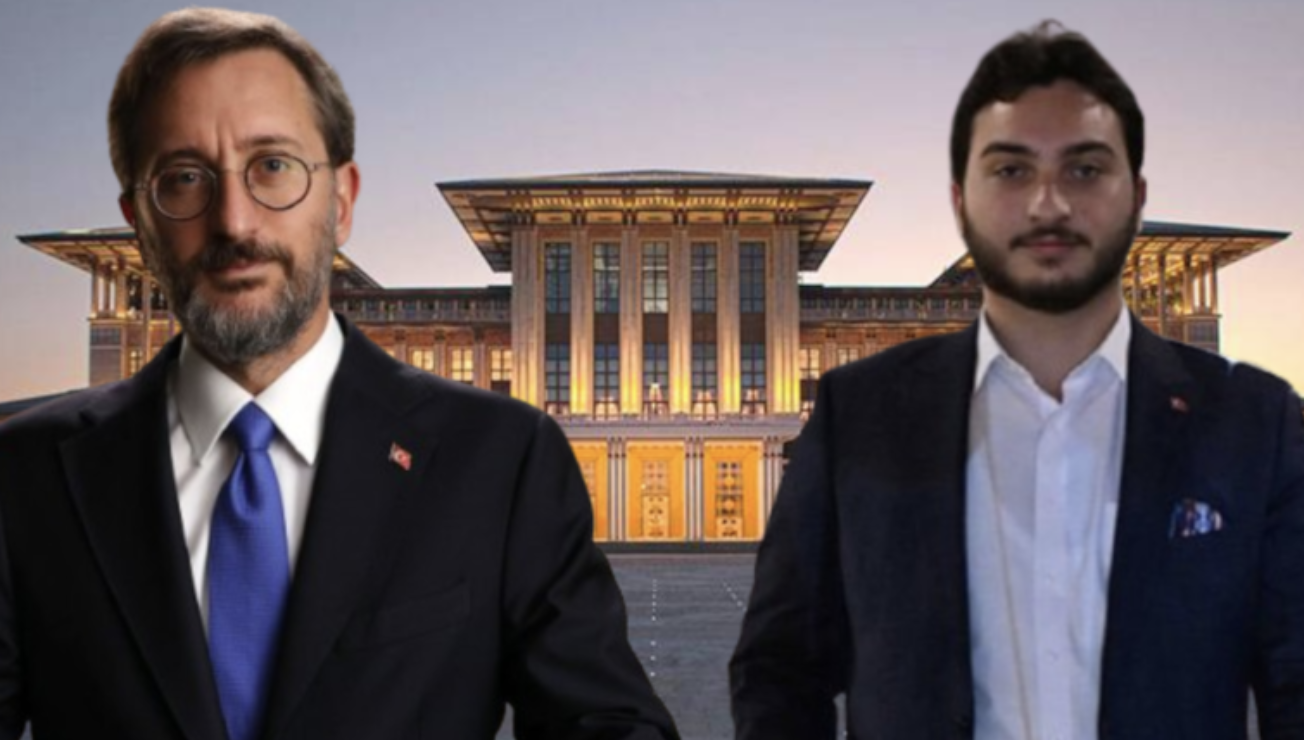 Mustafa Bilge Altun
The meteoric rise of Mustafa Bilge Altun, son of former Presidential Communications Director Fahrettin Altun, has drawn sharp scrutiny in Turkey. Fahrettin Altun, once a key figure in the ruling AKP and a close associate of President Recep Tayyip Erdoğan, was unexpectedly removed from his post and reassigned to head the Turkey Human Rights and Equality Institution (TİHEK).
In the wake of his father’s sudden political reshuffle, Mustafa Bilge Altun’s extraordinary business growth has raised questions about nepotism and preferential treatment, particularly in a country where young graduates in technical fields face chronic unemployment. Timur Soykan of Birgün highlights this stark contrast, pointing out that while many Turkish youths struggle to find work, Mustafa Bilge Altun has accumulated significant wealth in an extremely short period.
Early Business Ventures Raise Eyebrows
Official records show that Mustafa Bilge Altun founded MBA Yazılım Otomotiv Tarım Sanayi ve Ticaret Limited Şirketi in 2021, at only 20 years old. At the time, he was a second-year student at Istanbul Technical University, studying Geomatics Engineering. The company’s initial capital of 500,000 TL was fully registered under his name, despite his lack of prior business experience.
The company’s rapid growth has been unprecedented. By 2022, the capital jumped to 9 million TL. In 2023, after relocating from Istanbul to Kocaeli-İzmit, the company’s capital skyrocketed to 67.7 million TL. By June 2024, the registered capital had reached 210 million TL, raising eyebrows about how a university student could amass such wealth without significant external influence.
Critics argue that Mustafa Bilge Altun’s familial connections likely played a role in securing financial and regulatory advantages, fueling suspicions of nepotism and potential corruption in the Turkish business environment.
Agriculture Empire or Special Privilege?
MBA Tarım is primarily focused on agriculture, producing tomatoes, bananas, walnuts, and wild berries, with sprawling operations across multiple provinces:
-
Antalya Serik: 120,000 m² of tomato cultivation and 50,000 m² of banana greenhouses
-
Kocaeli-Karamürsel: 40,000 m² of crops and 300,000 m² walnut orchards
-
Afyonkarahisar Sandıklı: 120,000 m² of agricultural land
-
Mersin Tarsus: 180,000 m² of wild berry plantations
A portion of the land is reportedly purchased outright, while other plots are leased from the state treasury, prompting further questions about whether the company received preferential treatment or special access to state resources. The company also operates packaging facilities, distributing products under the “Gala Fresh” brand to major Turkish retail chains.
The combination of vast land holdings, large-scale production, and the ability to expand so rapidly in just a few years has intensified public skepticism over whether the business achievements are purely merit-based.
Public Reactions and Defense
Timur Soykan reached out to Fahrettin Altun for comment, but he did not respond. Close associates of the family defended Mustafa Bilge Altun, arguing that his activities generate employment and export revenue.
They emphasized:
“Memlekete fayda üretiyor. Çalışanların büyük çoğunluğu mevsimlik işçi. Arazilerin önemli bir bölümü de kiralık.”
While supporters frame his rise as a success story of youth entrepreneurship, critics argue that it embodies the systemic issues of nepotism and corruption, particularly when compared to the thousands of qualified young professionals struggling to find opportunities in Turkey’s competitive labor market.
Soykan summarized the perception:
“On their view, in a country where young people struggle to find jobs, Mustafa Bilge Altun’s rapid rise in business is seen as normal.”
However, public opinion remains divided. Observers question whether the extraordinary accumulation of wealth and rapid corporate expansion could have occurred without direct or indirect support stemming from his father’s powerful political network.
Broader Implications
The case of Mustafa Bilge Altun highlights how familial connections can intersect with economic opportunity in Turkey, particularly in sectors where state leases and permits can significantly influence outcomes. While MBA Tarım generates employment and contributes to exports, the story also underscores structural inequalities in business access and the potential for preferential treatment.
It raises pressing questions:
-
Did his family connections facilitate land leases or financial advantages?
-
Are there systemic mechanisms that favor politically connected individuals over ordinary entrepreneurs?
-
How does this reflect on youth unemployment and social mobility in Turkey?
While millions of students struggle to even find a job in Turkey’s brutal environment, the one night success of Mustafa Bilge Altun is a clear indication of how things work over the past 25 years in Erdoğan’s dictatorship: Either you are with us and get rich, or you are against us and struggle.
As Turkey grapples with high unemployment among technical graduates, the stark contrast between ordinary youth struggles and the Altun family’s rapid accumulation of wealth fuels backlash over transparency, fairness, and meritocracy in business.
Mustafa Bilge Altun’s rise is a cautionary tale about the intersection of politics, nepotism, and corruption in modern Turkey. While the company contributes to employment and exports, the extraordinary speed and scale of its growth, combined with political connections cannot be ignored. This case highlights the ongoing tension between entrepreneurial success and systemic favoritism and corruption in the Turkish economic landscape.