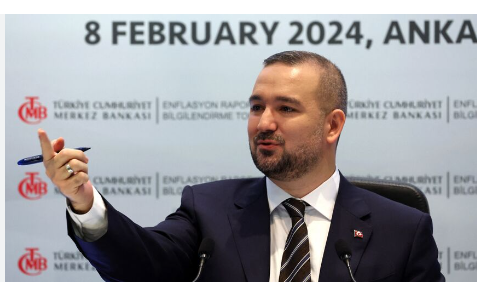
Turkish Lira Deposits Stay Strong Amid Rising FX Accounts
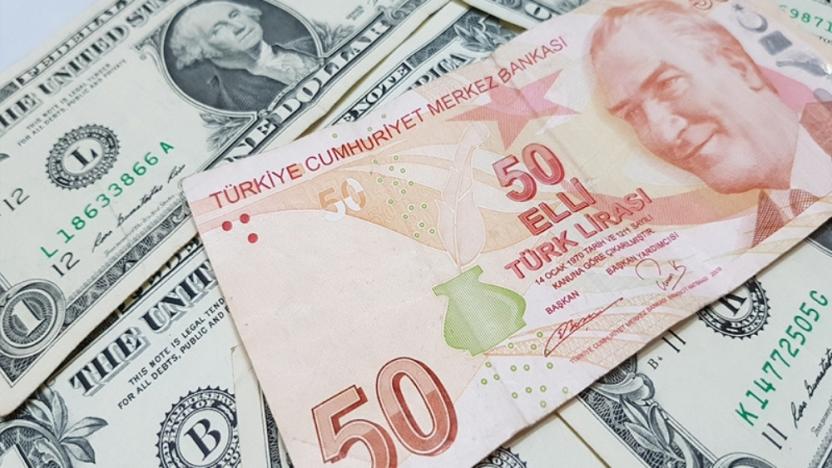 Lira
Lira
Recent weekly reports from the Banking Regulation and Supervision Agency (BDDK) and the Central Bank of the Republic of Turkey (TCMB) reveal that Turkish Lira (TL) deposits maintain a robust position within the financial system, even as domestic residents increasingly turn to foreign currency deposits. By the week ending August 22, standard TL deposits accounted for 60.02% of total deposits, hovering near the highest level seen in nearly a decade.
Previously undervalued under the low-interest rate environment before June 2023, standard TL deposits have regained appeal, driven by tight monetary policies and attractive yields. According to BDDK data, this week’s share of TL deposits slightly dipped from the record 60.44% reached the previous week, yet still represents a strong upward trend. For context, the historical low of TL deposits was 27.19% on June 10, 2022, reflecting a remarkable recovery over the past year.
Economists attribute this sustained interest to high TL deposit rates, which remain above 40% even at the shortest maturities, despite the TCMB lowering the policy rate by 300 basis points in its July Monetary Policy Committee meeting. This favorable interest environment continues to attract investors, highlighting the resilience of TL-denominated assets in a fluctuating global economic landscape.
Foreign Currency Deposits See $2 Billion Uptick
While TL deposits remain strong, foreign currency (FX) deposits by domestic residents surged notably during the same period. TCMB’s weekly money and banking statistics indicate that FX deposits increased by $2.015 billion, adjusted for exchange rate fluctuations. The primary driver of this growth was corporate deposits, which rose by $2.092 billion in parity-adjusted terms. Individual account holders, however, experienced a modest decline of $77 million.
According to Şebnem Turhan of Ekonomim, the data suggests that corporate demand for foreign currency deposits is spread over a longer term, reflecting strategic hedging behaviors amid economic uncertainty. Since March 19, total FX deposits by domestic residents have increased by $7.957 billion when adjusted for currency effects, with approximately $6.5 billion stemming from corporate accounts alone.
BDDK statistics also show that the TL equivalent of foreign currency deposits rose from 9.0148 trillion lira to 9.1142 trillion lira by the week ending August 22, signaling continued growth in dollar and euro holdings among Turkish residents.
FX-Protected Deposits Decline, Central Bank Reserves Strengthen
Meanwhile, FX-protected Turkish Lira deposits (KKM), once a key component of the financial system, continued to shrink. The Central Bank recently ended this facility, and BDDK data shows that KKM volume fell to 427.12 billion lira ($10.47 billion).
Central Bank reserves followed a mixed trend in the same week. TCMB’s total gross reserves decreased by $183 million to $176.327 billion. While gross foreign currency reserves increased by $162 million to $91.09 billion, gold reserves fell by $345 million, reaching $85.237 billion.
Despite the mixed movement in gross reserves, the Central Bank’s net reserves improved, rising from $70 billion to $71.8 billion. Net reserves excluding swap transactions also showed recovery, increasing from $52.1 billion to $54.7 billion, reflecting stronger liquidity and improved financial stability at the institutional level.
What This Means for Investors
The dual trend of rising TL deposits and increasing FX accounts demonstrates a balanced investor sentiment in Turkey. On one hand, high-yield TL deposits continue to attract domestic savers seeking stable returns. On the other, corporate actors are diversifying into foreign currencies to hedge against potential exchange rate volatility.
Economic analysts highlight that the combination of tight monetary policy, attractive TL yields, and strategic FX diversification could play a pivotal role in strengthening Turkey’s financial system while providing investors with flexible risk management options.
As Turkey navigates a complex global economic landscape, monitoring both TL and FX deposit trends will be essential for understanding liquidity flows, monetary policy effects, and market confidence. The BDDK and TCMB data offer a clear snapshot of how domestic residents respond to evolving interest rates and currency risks, shedding light on broader economic behavior and market expectations.
Related articles
FX-Protected TL Deposits Continue to Decline in Türkiye
CBRT Raises 2025 Inflation Forecast, Maintains Long-Term Targets: What the 2026 Outlook Signals

UK Think Tank NIESR: Turkey’s Inflation to End 2025 at 32%, Stay Above 20% Next Year