Turkey’s Unemployment Rate Drops to 8% in July 2025
 unemployment
According to the latest results from the Household Labor Force Survey, Turkey’s seasonally adjusted unemployment rate fell to 8.0% in July 2025, down 0.4 percentage points compared to the previous month. The number of unemployed individuals aged 15 and over decreased by 164,000, bringing the total to 2.83 million people.
Gender-based analysis shows a significant gap: while unemployment among men was 6.5%, it reached 10.9% among women, highlighting persistent structural challenges in female labor market participation.
Employment Rate Remains Stable at 49.1%
The number of people employed in July rose slightly, increasing by 18,000 to reach 32.58 million workers. Despite this improvement, the employment rate held steady at 49.1%.
Breaking this figure down by gender reveals stark contrasts:
-
Men: 66.1% employment rate
-
Women: 32.4% employment rate
These figures illustrate that although employment levels are rising in absolute terms, gender inequality continues to shape Turkey’s labor market.
Labor Force Participation Declines Slightly
While unemployment dropped, the size of the overall labor force also contracted. In July 2025, the labor force decreased by 146,000, totaling 35.41 million people. As a result, the labor force participation rate slipped to 53.3%, down 0.3 percentage points from the previous month.
Once again, male and female participation rates diverged:
-
Men: 70.6%
-
Women: 36.4%
The lower participation of women underscores long-standing structural and social barriers, from childcare responsibilities to limited access to certain job sectors.
Youth Unemployment Shows Improvement
Youth unemployment—often considered a critical indicator of long-term economic health—also showed signs of improvement. Among those aged 15 to 24, the unemployment rate decreased by 0.9 percentage points to 15.0%.
Within this group, the gender breakdown is striking:
-
Men: 11.3%
-
Women: 21.7%
Despite the decline, youth unemployment remains almost double the national average, pointing to ongoing difficulties for younger generations entering the workforce.
What the Numbers Reveal
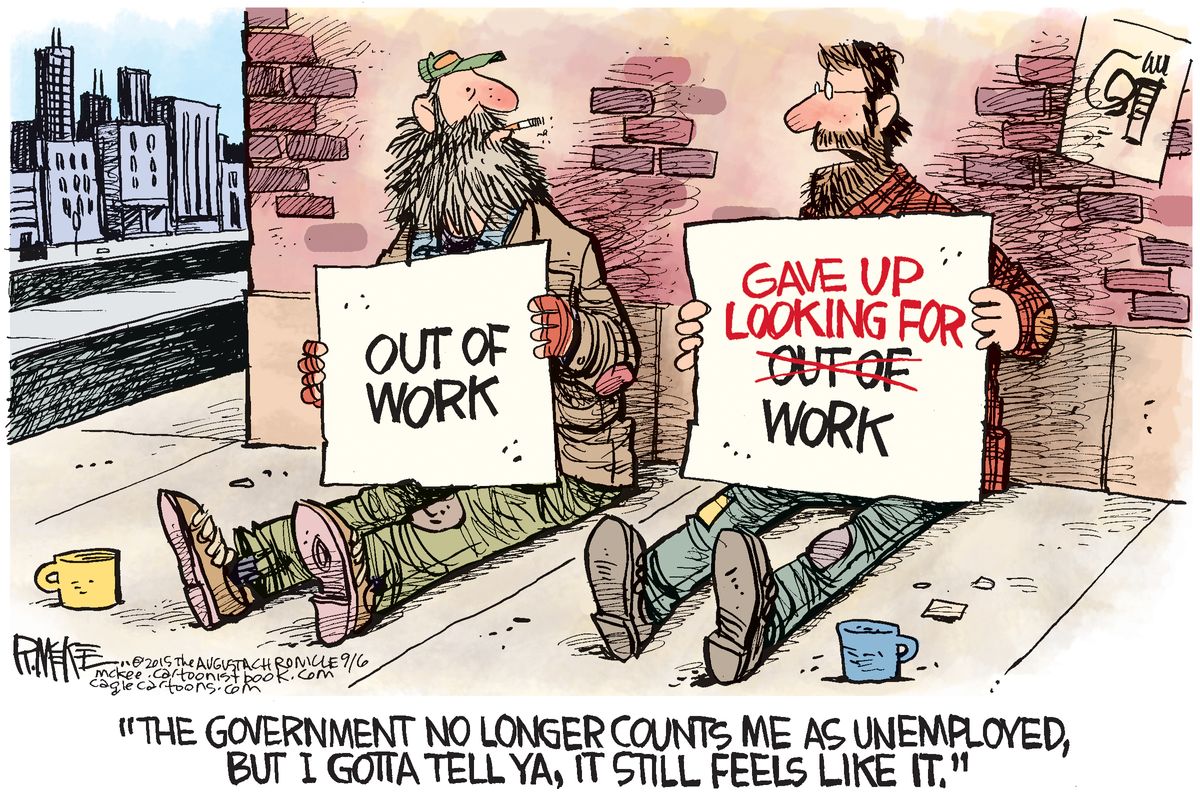
Turkey’s July 2025 labor market statistics reflect a complex but cautiously optimistic picture. The decline in unemployment suggests that more individuals are finding work, but the simultaneous drop in labor force participation raises questions about whether discouraged workers are leaving the job market entirely.
Economists note that the improvement in youth unemployment could indicate better entry-level opportunities, yet the high rate among young women highlights gender-specific challenges.
Dr. Mehmet Kaya, a labor economist, commented:
“The fall in unemployment is encouraging, but the shrinking labor force shows that some people may be giving up on job hunting. For sustainable growth, Turkey must boost participation rates, particularly among women and young people.”
Gender Disparities in Focus
The gender gap remains one of the most pressing issues in Turkey’s employment landscape. Women are less likely to participate in the labor force and more likely to face higher unemployment when they do. With female participation at 36.4%, Turkey lags significantly behind the OECD average of around 61%.
Policymakers and business leaders argue that closing this gap could unlock massive economic potential, as increasing women’s workforce participation is linked to higher national productivity and growth.
The Road Ahead
The July data paints a picture of progress but also highlights structural challenges. Declining unemployment offers short-term relief, yet without policies to boost workforce participation and address gender inequality, Turkey risks missing long-term growth opportunities.
Analysts suggest a multi-pronged strategy:
-
Expanding vocational training for young people
-
Introducing incentives for companies to hire women and youth
-
Improving access to childcare and flexible working arrangements
-
Supporting entrepreneurship and small business growth
Turkey’s labor market in July 2025 experienced a notable decline in unemployment, falling to 8.0%, the lowest level in recent months. However, this progress is tempered by falling labor force participation and continued disparities between men and women.
As the country navigates economic recovery and structural reform, sustaining job growth while ensuring inclusivity will be key to building a resilient and equitable workforce.
Related articles

Trapped at Home: 77% of Turkish Graduates Still Live With Parents

Turkey Leads Europe in Youth NEET Rate at 25.9%

ANALYSIS: February employment data very weak underneath the headline