Türkiye Among OECD Countries with Lowest GDP per Capita
 economy
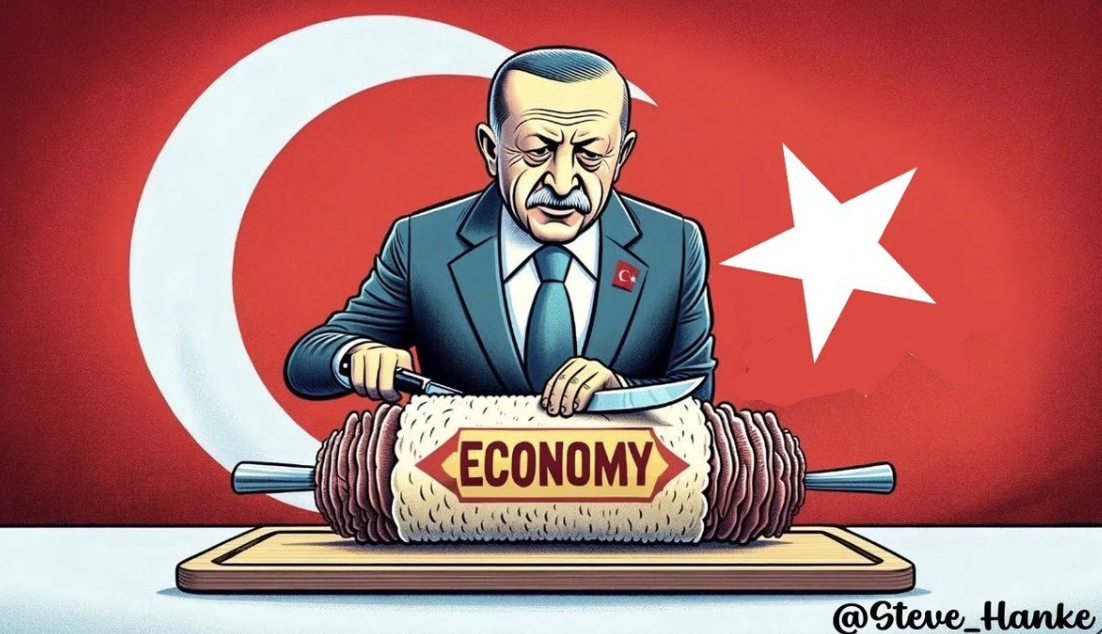
Türkiye currently ranks as the OECD country with the lowest GDP per capita, a position that has direct implications for its tax revenue capacity. Experts attribute this to structural economic factors, including a large informal economy and policies limiting income growth, which constrain the government’s ability to collect taxes efficiently.
“This situation typically reflects that the state’s capacity to collect taxes is limited,” says Alexander Mengden, policy analyst at Tax Foundation Europe. “Underlying this are a relatively large informal economy and policy choices that constrain incomes.”
Wide Disparities Across Europe
European countries display significant variation in the ratio of tax revenue to GDP, which is vital for funding public services. According to Eurostat 2023 data, the average tax-to-GDP ratio in the EU is about 40%, whereas Türkiye is among the lowest.
“Türkiye’s low position stems from a combination of low GDP per capita, a sizable informal sector, and policies that limit state revenue collection,” Mengden explains.
Europe’s Tax Leaders and Laggards
A continental comparison of EU, UK, Türkiye, and EFTA countries reveals stark contrasts. Countries with the highest tax-to-GDP ratios include:
-
France: 45.6%
-
Belgium: 44.8%
-
Denmark: 44.7%
-
Austria: 43.5%
-
Finland: 42.7%
-
Sweden: 42.6%
-
Norway: 41.8%
-
Italy: 41.7%
-
Germany: 40.3%
These nations generally enjoy high welfare standards and extensive public services funded through taxation.
At the opposite end of the spectrum, countries with tax-to-GDP ratios below 30% include:
-
Ireland: 22.7%
-
Türkiye: 23.5%
-
Switzerland: 26.9%
-
Malta: 27.1%
-
Romania: 27.3%
-
Bulgaria: 29.9%
Ireland’s Exception: Globalization Effects
According to Alexander Mengden, the low ratio in Ireland is largely exceptional.
“Ireland’s very low corporate tax rate of 12.5% attracts extraordinary levels of foreign direct investment. This inflates GDP disproportionately compared to other economic indicators,” he explains.
Dr. Tom McDonnell, co-director of the Nevin Economic Research Institute, supports this view, recalling that in 2015, Apple transferred intellectual property assets to Ireland, causing the country’s GDP to jump over 20% in a single year.
“Irish economists therefore rely on Gross National Income (GNI), which corrects for globalization-driven distortions, to better reflect actual economic activity,” McDonnell notes. According to OECD 2025 data, Ireland’s tax-to-GNI ratio is 38%, much closer to the EU average.
Türkiye’s Structural Limitations
For Türkiye, the issue is less about exceptional external factors and more about fundamental economic realities. The country’s low GDP per capita among European OECD members correlates with a lower tax-to-GDP ratio.
“A relatively large informal economy and policy choices that limit income growth prevent the state from reaching its full potential tax base,” Mengden says.
These structural limitations mean that Türkiye collects a smaller share of GDP in taxes, which affects public service financing and fiscal flexibility.
Structural Reforms Needed
Türkiye’s low tax-to-GDP ratio reflects deep-seated economic challenges rather than temporary fluctuations. Addressing the informal economy and reviewing income-limiting policies could enhance the state’s capacity to collect revenue, improve public service funding, and align Türkiye more closely with OECD peers.
“Without addressing these structural constraints, Türkiye will continue to lag behind other European nations in both GDP per capita and tax revenue efficiency,” Mengden warns.