Deadly Attack on Gaza’s Al-Nasser Hospital Kills Journalists and Civilians
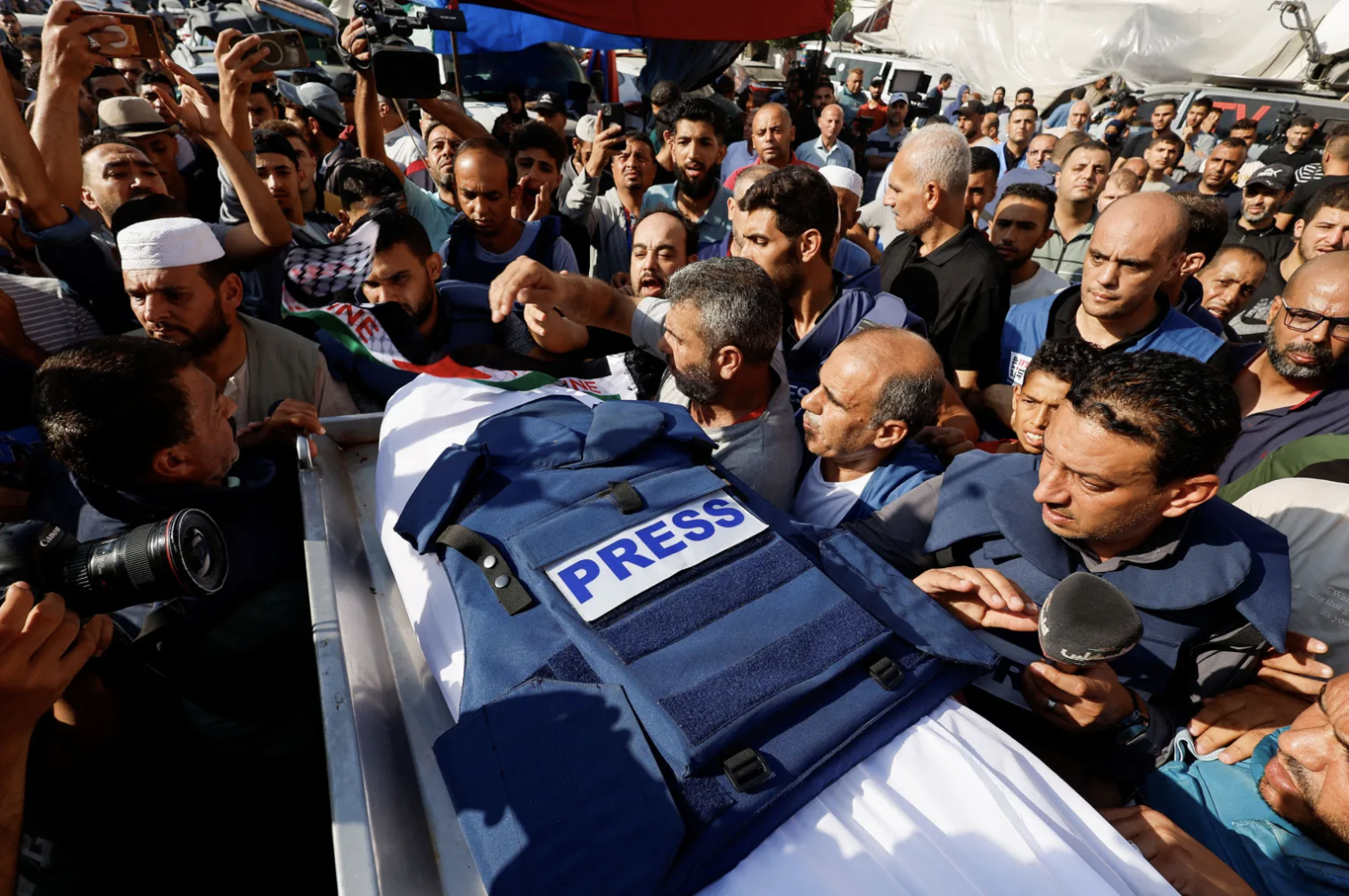 funeral of Palestinian journalist Mohammed Abu Hatab, who was killed in a November 2 Israeli strike in Khan Yunis in the southern Gaza Strip. (Photo: Reuters/Mohammed Salem)
A devastating attack on Al-Nasser Hospital in Gaza has resulted in the deaths of at least 15 people, including four journalists working for major international news outlets. The assault, reportedly carried out with suicide drones, also targeted search-and-rescue teams who had arrived on the scene, highlighting the extreme dangers faced by both media personnel and emergency responders in conflict zones.
The incident has captured global attention as the moments of the bombing were broadcast live, showing rescue teams and journalists caught in the attack.
Journalists Among the Dead
Among those killed were reporters and camera operators representing Reuters, NBC, and Al Jazeera. The identities of some of the victims have been confirmed: Husam el-Masri, a cameraman for Palestinian state television; Muhammed Selame, an Al Jazeera cameraman; and Meryem Ebu Dakka, a journalist, all lost their lives during the attack.
The tragedy underscores the risks faced by journalists working in active war zones. Media professionals documenting the humanitarian crisis and emergency response operations often put themselves directly in harm’s way, a reality made starkly visible in Gaza.
Search-and-Rescue Teams Targeted
The attack did not spare rescue personnel. Emergency teams rushing to assist casualties at Al-Nasser Hospital were also struck, an event captured on live broadcast. This targeting of first responders raises serious questions about the protection of civilians and aid workers in ongoing military operations.
Total Casualties and Ongoing Violence
Authorities report that a total of 15 people were killed in the assault. The death toll includes five journalists, with the remaining victims believed to be hospital staff and patients. While the attack has been widely documented on camera, the Israeli military has not issued an official statement regarding the hospital bombing.
The incident has reignited international debate over the protection of civilians and journalists during armed conflicts and the legality of attacks on facilities like hospitals. Humanitarian law explicitly prohibits targeting healthcare facilities and personnel, yet such violations continue to occur, leaving vulnerable populations at heightened risk.
Gaza’s Worsening Humanitarian Crisis
The hospital bombing comes amid a months-long blockade of Gaza, which has exacerbated food shortages and deepened the humanitarian crisis. Within the last 24 hours, 11 people died from hunger, including two children, according to local reports.
International organizations continue to warn that the combination of military assaults and blockades is having severe consequences for the civilian population. The lack of access to adequate nutrition, medical care, and safe shelter has left many residents in dire conditions.
Global Reactions and Media Coverage
The deaths of journalists have drawn widespread attention and condemnation from international press organizations. The targeting of media personnel in active conflict zones raises concerns about freedom of the press and the safety of those reporting on crises.
Live coverage of the bombing has made the human cost of the conflict painfully visible, providing a stark reminder of the dangers inherent in documenting warfare. Observers have called for stronger measures to protect journalists and emergency responders, emphasizing that accurate reporting is essential to informing the global community.
Legal and Ethical Considerations
Experts in international humanitarian law note that attacks on hospitals and media personnel constitute serious violations of global norms. The repeated targeting of medical facilities and journalists can be interpreted as a breach of the Geneva Conventions, which protect civilians and non-combatants during armed conflicts.
The Al-Nasser Hospital attack has become a grim illustration of the risks faced by those living and working in conflict zones, and the ongoing struggle to uphold human rights amid escalating military operations.
The assault on Al-Nasser Hospital in Gaza has left a profound human and professional toll, claiming the lives of journalists, rescue workers, and civilians.
As humanitarian conditions deteriorate due to ongoing blockades and military actions, the international community continues to face urgent calls to protect both media workers and vulnerable populations.
Related articles
Over 20,000 Children Killed as Gaza’s Death Toll Hits 67,000
Freedom Flotilla Boat ‘Madleen’ Boarded by Israeli Forces Amid Tense Standoff at Sea
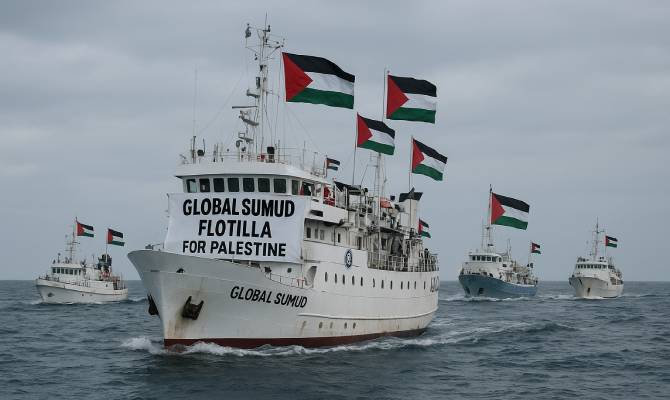
Israeli Raid on Sumud Flotilla: 37 Turks Detained in International Waters