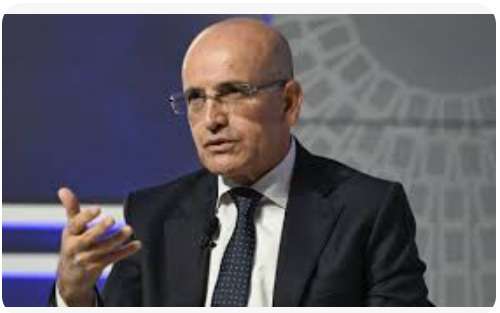
Prof. Dr. Emre Alkin: “TL Is Not Gaining Value, It’s Losing It in a Controlled Way”
 Lİra
Lİra
Renowned economist Prof. Dr. Emre Alkin has raised concerns about Turkey’s current currency and interest rate policies, arguing that the Turkish lira (TL) is not truly appreciating but instead being “devalued in a controlled manner.”
In a social media post supported by graphs, Alkin explained that while the government portrays stability in the exchange rate as a success, the reality is that foreign investors are reaping huge profits while Turkish businesses and citizens are bearing the costs.
The Illusion of a Strong Lira
Alkin emphasized that there is a false perception among the public that the lira is strengthening. He argued that the currency’s movements against the U.S. dollar are artificially managed rather than reflecting genuine market strength.
“The TL is not gaining value; it is simply being allowed to lose value in a controlled way. This creates extraordinary profits in foreign exchange terms,” he said.
He warned that this “artificial stability” gives the impression of a balanced market, while in reality, the policy is skewed in favor of foreign capital inflows.
Carry Trade and the Role of Interest Rates
One of Alkin’s central points focused on carry trade, a strategy where foreign investors borrow in low-interest-rate currencies and invest in higher-yielding assets elsewhere.
“Carry trade investors don’t care about inflation. They say, ‘Cut interest rates, but don’t lose control of the exchange rate.’ As long as the lira is managed in this way, they make enormous profits,” Alkin explained.
By maintaining high interest rates alongside a tightly managed exchange rate, Turkey has created conditions that attract short-term speculative money, often referred to as “hot money.” While this benefits foreign investors, Alkin warned that the Turkish economy—particularly manufacturers, exporters, traders, and ordinary citizens—suffers as a result.
Comparative Data: TL vs. Other Currencies
Alkin’s graph compared the Turkish lira’s performance to currencies such as the South African rand, Mexican peso, Australian dollar, and the euro.
While the U.S. dollar lost value against many global currencies in the past 12 months, it consistently gained against the Turkish lira.
“Despite efforts to maintain control, the dollar rose against the lira every single day,” Alkin said, highlighting the divergence between Turkey’s exchange rate trajectory and global trends.
Winners and Losers of the Current Policy
According to Alkin, the current monetary strategy creates a clear divide between winners and losers:
-
Winners: Foreign investors engaged in carry trade benefit from high yields and low exchange rate volatility, turning Turkey into a profitable playground for speculative money.
-
Losers: Turkish industrialists, exporters, small businesses, and citizens face higher costs and diminished competitiveness in global markets.
He concluded that while short-term financial inflows are being encouraged, the long-term sustainability of the Turkish economy is being compromised.
The Bigger Picture: Artificial Stability Comes at a Price
Alkin’s comments reflect a broader debate in Turkey about whether the government’s policy of keeping the lira under tight control, while simultaneously lowering interest rates in previous years, has backfired.
On the surface, stability in exchange rates may appear positive, but economists argue that this creates a distorted financial environment:
-
Exporters lose competitiveness as the artificially stable lira makes Turkish goods more expensive abroad.
-
Ordinary citizens see rising living costs, as controlled depreciation still erodes purchasing power.
-
Investors in the real economy face uncertainty, while speculative money dominates financial inflows.
Conclusion: A Warning Against Complacency
Prof. Dr. Emre Alkin’s analysis offers a stark reminder: the Turkish lira is not genuinely strengthening. Instead, it is being strategically weakened, allowing foreign investors to secure large profits through carry trade while the domestic economy bears the burden.
As Alkin summarized: “TL is not gaining value. It is being devalued in a controlled way, creating enormous profits in foreign exchange. The winners are foreign investors, the losers are Turkey’s industrialists, exporters, shopkeepers, and citizens.”
His warning highlights a crucial policy dilemma: whether Turkey should continue relying on artificial stability to attract hot money or shift toward more sustainable strategies that support long-term economic health.