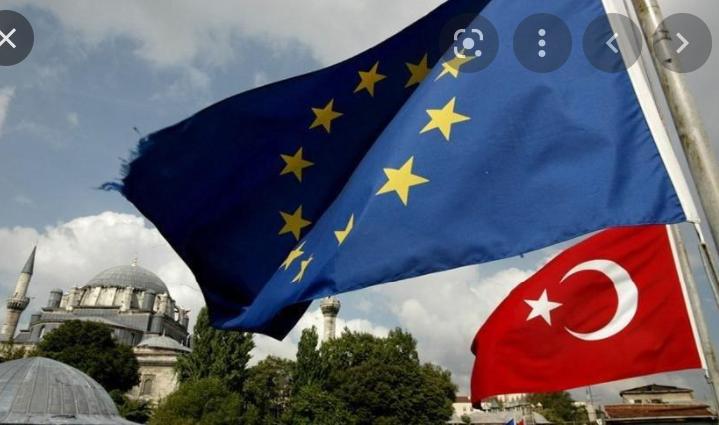
George Friedman: Turkey’s Moment on the Global Stage
 george firedman
With Russia weakened, the U.S. stepping back, and regional rivals distracted, Turkey is seizing strategic opportunities from the South Caucasus to the Mediterranean. Whether it can sustain this momentum depends on its ability to overcome domestic constraints.
Fifteen years ago, George Friedman’s The Next 100 Years forecast the rise of Japan, Poland and Turkey as major powers of the 21st century. Japan and Poland have since made strides in economic and military development — but both remain constrained by powerful neighbors. Today, Friedman argues, it is Turkey’s turn to emerge.
A Strategic Opening
Turkey’s military strength and modestly growing economy are only part of the story. The country is uniquely positioned to capitalize on a rare geopolitical alignment:
-
Russia is tied down in Ukraine.
-
The U.S. is reducing its global footprint.
-
Iran is weakened by regional losses and internal transition.
-
Israel faces simultaneous domestic and external crises.
This creates an opening for Ankara to advance its interests across multiple fronts.
Eastern Flank: From Nagorno-Karabakh to the Zangezur Corridor
Even before the war in Ukraine, Turkey was pivotal in Azerbaijan’s 2020 victory over Armenia in Nagorno-Karabakh. The shift distanced both Armenia and Azerbaijan from Moscow and brought them closer to Ankara.
A pending peace deal between Baku and Yerevan could unlock Turkey’s long-sought Zangezur Corridor, linking it to the trans-Caspian region and Central Asia — an economic and strategic artery across the South Caucasus.
Middle East: Benefiting from the Israel-Iran Conflict
The Israel-Iran confrontation, compounded by Hezbollah’s collapse and the fall of the Assad regime, has allowed Turkey to draw Syria into its sphere of influence. A Turkish-backed proxy now controls Damascus.
Ankara has also deepened ties with Saudi Arabia, the UAE and Egypt — the latter joining Turkey’s KAAN (TF-X) stealth fighter program. In Libya, Turkey is expanding its footprint, bolstering its westward projection in the Mediterranean.
Europe and the Balkans: Expanding Influence
With U.S. security guarantees in question, European states are struggling to reshape their defense architecture. Turkey is moving to fill the gap:
-
Building closer ties with Poland, coordinating postwar Ukraine security strategies.
-
Launching the Balkans Peace Platform, hosting foreign ministers from six Balkan nations in Istanbul to expand Ankara’s influence in the region.
Black Sea Strategy
Russia’s diminished capacity in the Black Sea basin plays directly to Turkey’s strengths. Ankara has stepped up naval operations both independently and with NATO, while positioning itself as a mediator between Moscow and Kyiv.
Stronger trade and security ties with Georgia, Romania and Bulgaria are also part of Turkey’s widening regional network.
From Constraint to Opportunity
Great powers require capability, ambition and opportunity. Turkey now has all three — plus a strategic location bridging Europe, the Middle East and the Mediterranean.
The key question, Friedman notes, is whether Turkey’s domestic challenges will prevent it from turning potential into lasting power.
IMPORTANT DISCLOSURE: PA Turkey intends to inform Turkey watchers with diverse views and opinions. Articles in our website may not necessarily represent the view of our editorial board or count as endorsement.
Follow our English language YouTube videos @ REAL TURKEY: https://www.youtube.com/channel/UCKpFJB4GFiNkhmpVZQ_d9Rg
And content at Twitter: @AtillaEng
Facebook: Real Turkey Channel: https://www.facebook.com/realturkeychannel/
Related articles
Georgetown Security Studies: Turkey’s Pursuit of Regional Economic Power Upon its 100th Anniversary
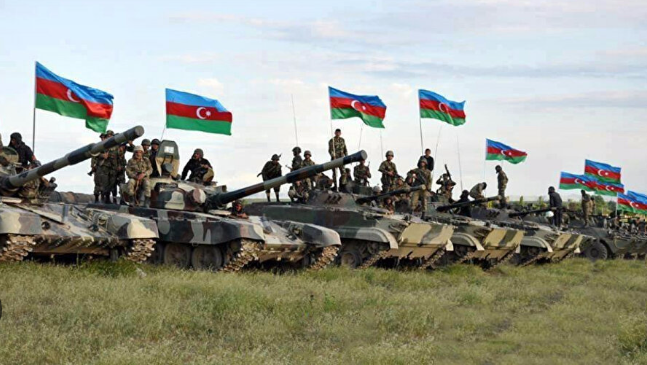
ANALYSIS: Clashes in Azerbaijan-Armenia border raises fears of another military incursion
Iran Opposition Calls for Regime Change as War with Israel Escalates