Turkey to Align Property Valuations with Market Prices in 2026: Tax Justice and Transparency in Focus
 konut-vergi
Summary: Starting in 2026, Turkey will align official property valuations (rayiç bedel) with actual market prices in a move expected to increase values by up to 10–15 times. The reform aims to close a $25 billion annual tax gap, improve transparency, and reduce unregistered transactions — but industry experts warn it could also raise tax burdens and slow down sales.
Major Valuation Overhaul on the Way
The General Directorate of Land Registry and Cadastre, working in cooperation with municipalities, is set to implement a sweeping change to Turkey’s property valuation system in 2026. Official “rayiç bedel” values — currently far below real market prices — will be brought in line with actual sales prices.
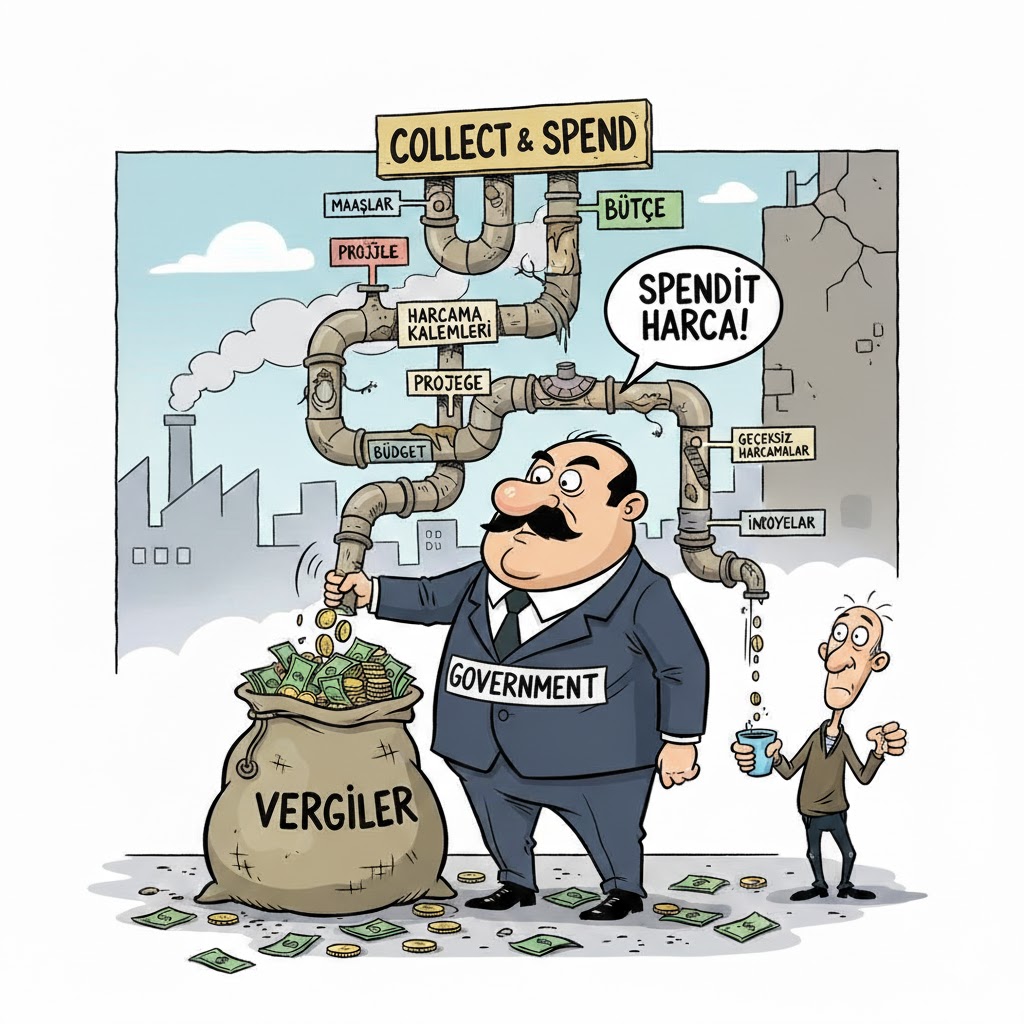
According to a report by Prof. Dr. Emre Alkin, titled “The Real Estate Valuation Problem: Tax Loss and Underinsurance”, the discrepancy between official and real values costs the state around $6 billion annually in lost taxes from 1.5 million property transactions. When 38 million housing units and zoned land are factored in, the total annual public revenue loss reaches nearly $25 billion.
Beyond Taxes: Insurance and Urban Transformation
Low official valuations not only reduce tax income but also result in underinsurance, meaning property owners may receive inadequate compensation in the event of a disaster. Prof. Alkin warns the current system also slows down urban transformation projects and worsens affordability in the housing market.
Environment, Urbanization, and Climate Change Minister Murat Kurum has previously stated that collecting title deed fees based on actual sale prices would eliminate injustice and improve fairness.
What It Means for Homeowners and Buyers
Once the reform takes effect, homeowners will see the official value of their properties rise significantly, providing both prestige and legal leverage. Higher official valuations will support asking prices during sales and reduce disputes between buyers and sellers. Unregistered and partial value declarations will likely decrease as transactions move toward full price disclosure.
Boost to Bank Lending Capacity
Since banks use official valuations when calculating collateral, the increase in “rayiç bedel” will directly raise credit limits. Properties previously deemed insufficient as collateral could now qualify for loans, potentially boosting both individual investment and real estate development.
Municipal Revenues to Increase
For local governments, higher valuations will translate into higher property tax revenues. Additional funds could be used for infrastructure projects, parks, social facilities, and public services. Smaller municipalities might channel the revenue into local economic development and job creation.
However, industry representatives warn that the increase in taxes and title deed fees could discourage property sales, especially in the short term.
Concerns Over “Excessive” Increases
On August 9, 2025, the Official Gazette published a notice raising building square meter construction cost values. Attorney Oğuzhan Aslan highlighted that municipalities’ appraisal commissions have set new land values with increases of up to 500–600%, creating what he calls “exorbitant” tax hikes.
Aslan emphasized that property tax is calculated based on two components: building cost and land value. With both rising sharply, homeowners could face a significant tax burden between 2026 and 2029.
IMPORTANT DISCLOSURE: PA Turkey intends to inform Turkey watchers with diverse views and opinions. Articles in our website may not necessarily represent the view of our editorial board or count as endorsement.
Follow our English language YouTube videos @ REAL TURKEY: https://www.youtube.com/channel/UCKpFJB4GFiNkhmpVZQ_d9Rg
And content at Twitter: @AtillaEng
Facebook: Real Turkey Channel: https://www.facebook.com/realturkeychannel/