



Istanbul Eyes Bus-Priority Lanes to Ease Traffic, Speed Up Public Transit
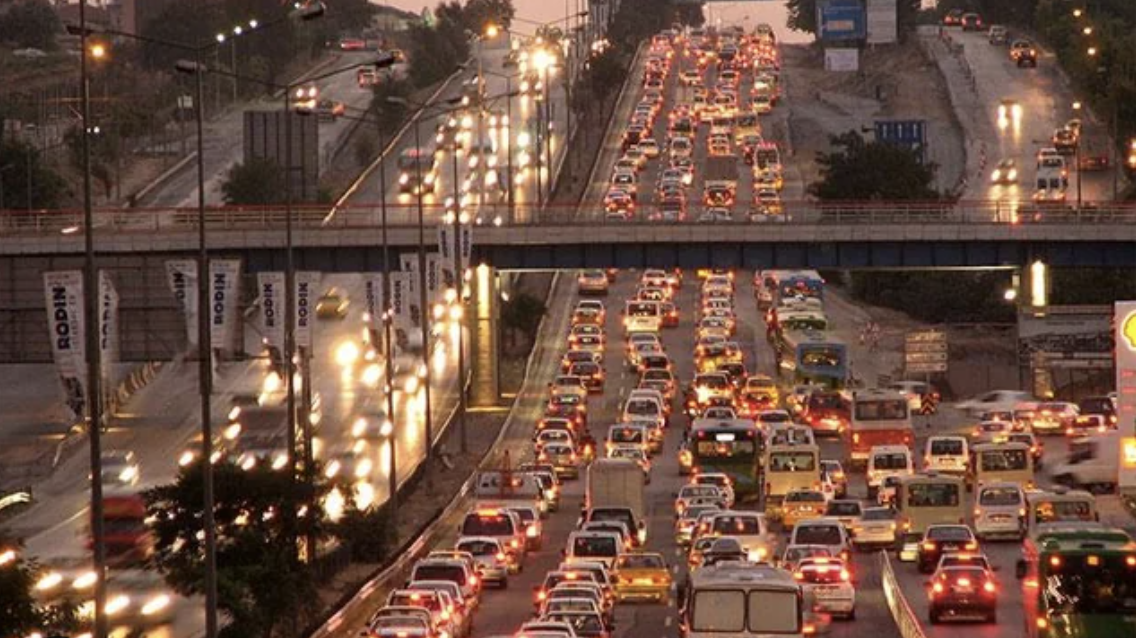 Traffic in Turkey
In a bid to reduce traffic congestion and boost the efficiency of public transportation, Istanbul is preparing to roll out a 120-kilometer bus-priority lane network, a plan that experts believe could be expanded citywide after successful pilot testing.
Public Transit in Focus: 80 km Pilot to Launch Soon
Prof. Dr. Mustafa Ilıcalı, Director of the Transportation Systems Application and Research Center at Istanbul Ticaret University, confirmed that the initial 80 km stretch has already been designated and the pilot project is expected to begin later this year.
Ilıcalı emphasized that granting right-of-way to buses can dramatically cut travel times and reduce passenger waiting periods, explaining:
“We must prioritize road capacity for mass transit. This system has been successfully implemented worldwide—it can absolutely work in Istanbul.”
Why Bus-Priority Lanes Matter in Istanbul
With traffic volumes rising daily and average bus speeds dropping below 10 km/h, the city’s 9 million daily public transport users are facing longer commutes. Notably, the Metrobus system, which carries over 1 million passengers daily, is already operating beyond capacity.
“Bus-priority corridors will ease the burden on the Metrobus and restore efficiency,” Ilıcalı noted, adding that ASELSAN is currently working on integrating semi-autonomous systems into Metrobus operations.
Lessons from Global Cities & Local Adjustments
Drawing parallels with cities like Los Angeles, Ilıcalı explained how tripling average speed in congested corridors is possible through dedicated lanes and better enforcement. He stressed that previous UKOME (Transport Coordination Center) decisions could serve as a blueprint for implementation and suggested incorporating bike lanes and curbside parking management into the plan.
Where Will It Work?
“Anywhere with two or more lanes can accommodate this system,” Ilıcalı said. “With strong planning and automated traffic enforcement (EDS), the model is scalable across Istanbul.”
The professor also called for rigorous planning and monitoring systems to ensure smooth implementation and adherence to traffic regulations.