Fruit by the Piece, Meat by the Memory: Soaring Food Prices Push Turkey to the Top of Global Inflation Charts
 food prices
Turkey is now ranked first in the world for food inflation, as soaring prices in both red meat and fresh produce crush consumer purchasing power. Once sold by the kilo, fruits and vegetables are now being offered by the piece or slice in local markets, while red meat consumption continues to plummet amid unprecedented price hikes.
Meat Prices Up Over 600% in Four Years
According to the latest data from the Turkish Statistical Institute (TÜİK), lamb prices have jumped by 660.6% and beef prices by 616.7% since 2021. As a result, per capita red meat consumption has dropped from 22.89 kg to just 16.6 kg, signaling a dramatic decline in meat accessibility.
Fruits Now a Luxury: Cherries at $24 per Kilo
Fresh produce is following the same trend. A report by BirGün reveals shocking market prices:
-
Cherries range from ₺600–800 per kilo
-
Grapes have reached ₺680 per kilo
-
Figs are being sold at ₺600
-
Greengage plums (papaz eriği) are now ₺400 per kilo
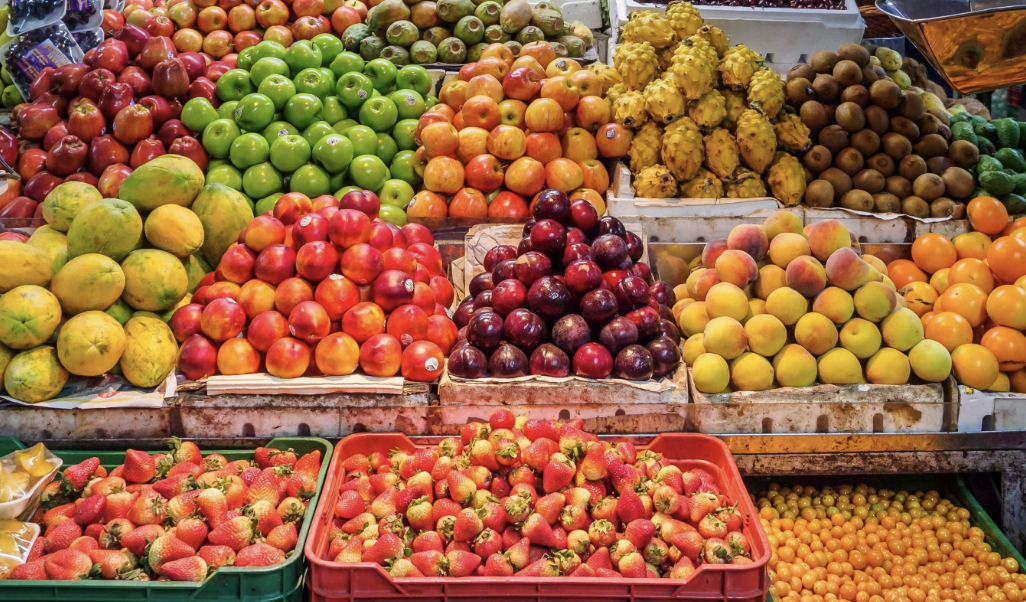
One peach costs ₺145, and a half watermelon is ₺485 — making even seasonal fruits unaffordable for the average citizen. In some cases, prices have risen more than 1000% since 2020.
From Kilograms to Pieces: A New Shopping Culture
As prices skyrocket, a shift in consumer behavior is emerging. More and more shoppers are buying single fruits or sliced portions instead of full kilos. This trend reflects the grim reality: for many on minimum wage, a month’s grocery budget barely covers a few kilograms of produce.
For example, a person earning Turkey’s minimum wage of ₺22,000 can only afford:
-
2 kg cherries
-
1 kg grapes
-
½ watermelon
-
2 peaches
-
1 kg tomatoes
at a cost of ₺3,230 — nearly 20% of the entire monthly pension for retirees.
Rising Farming Costs Worsen the Crisis
On the production side, Turkish farmers are struggling with rising costs for diesel, fertilizer, and feed — all of which are closely linked to foreign exchange rates. TÜİK reports that agricultural input prices rose 31.8% year-on-year in May 2025, slightly down from 32.49% in December 2024.
This input cost inflation directly drives up market prices, creating a vicious cycle where both producers and consumers lose.
A Nation in Food Shock
With food price hikes showing no signs of slowing, analysts warn that Turkey’s ranking at the top of global food inflation charts is not just a statistic — it’s a warning. A combination of currency depreciation, supply chain strain, and weak purchasing power has created what many describe as a food affordability crisis for millions.