



Turkey Joins Gaza Declaration, But Rejects Maritime Law Clauses
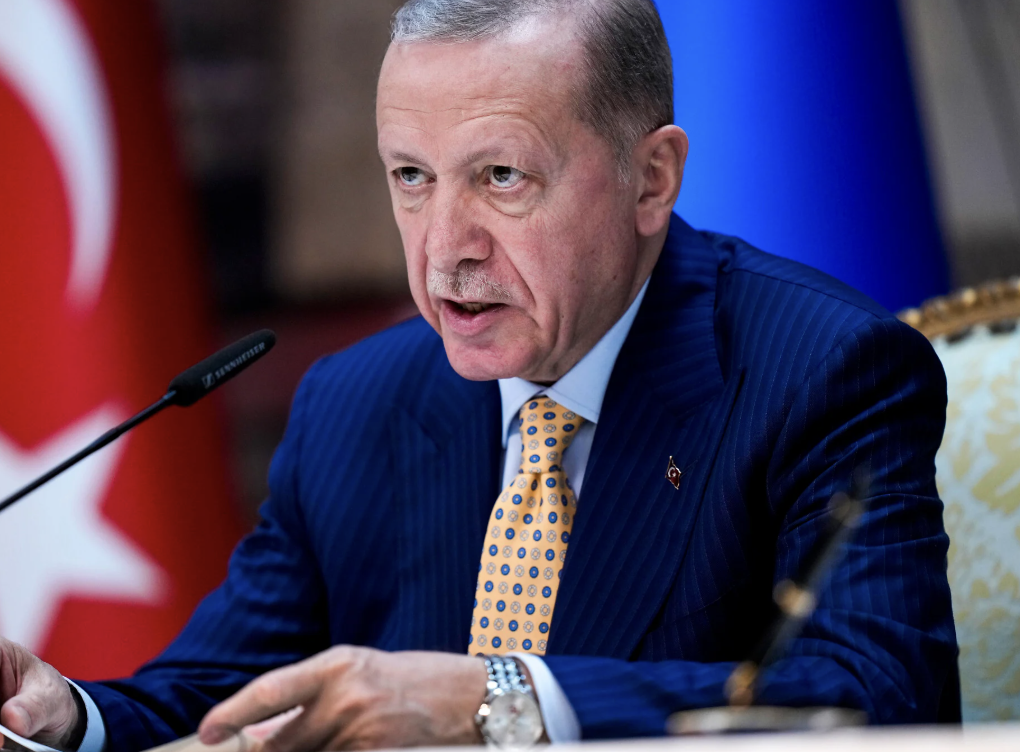 Erdoğan
Turkey has formally joined the Bogota Joint Declaration issued by the Hague Group in response to Israel’s military actions in Gaza, but with a clear reservation regarding specific references to the United Nations Convention on the Law of the Sea (UNCLOS).
On July 25, 2025, Turkey submitted a diplomatic note to the Colombian Ministry of Foreign Affairs, declaring its support for the declaration while stating that references to UNCLOS in the document do not apply to Turkey.
Turkey Supports Gaza Measures, Objects to UNCLOS Mentions
The declaration proposes a series of political and administrative steps to be taken by member states under international law to counter Israel’s alleged violations in Gaza. These include restricting ships suspected of carrying arms or dual-use materials to Israel, and ensuring that such transport does not pass through or benefit from ports or territorial waters of the signatory states.
However, Turkey issued a statement clarifying that mentions of UNCLOS in Articles 2 and 3 of the declaration do not reflect or alter its current legal stance. Other parts of the declaration were accepted without objection.
According to the Hague Group’s official website, no binding action plan accompanies the declaration; instead, it offers a list of optional legal measures that member states can implement in accordance with international law.
Fidan: Turkey Filed Reservation but Supports the Declaration
Foreign Minister Hakan Fidan commented on Turkey’s position during a statement on July 25, explaining that the UNCLOS references were incompatible with Turkey’s legal status in the Aegean Sea, where maritime boundaries remain unresolved.
“We reviewed the declaration and submitted our participation with a reservation,” said Fidan.
“The deadline to sign is September 30. We consulted with international law experts and saw no issue in joining with a formal note.”
Why Turkey Opposes UNCLOS
Turkey is not a party to the 1982 UNCLOS treaty. It argues that the convention’s clauses, particularly those on territorial waters (Article 3), contiguous zones (Article 33), and island regimes (Article 121), fail to reflect the unique geopolitical and historical context of semi-enclosed seas like the Aegean.
Ankara maintains that UNCLOS disregards regional balances and doesn’t offer a fair solution to existing maritime disputes. Therefore, Turkey not only avoids signing the treaty but also scrutinizes international documents that indirectly refer to it.