Iris Cibre Reveals Why Dollar Spiked to 40.89 After CBRT Rate Cut: “The Swap Play Collapsed”
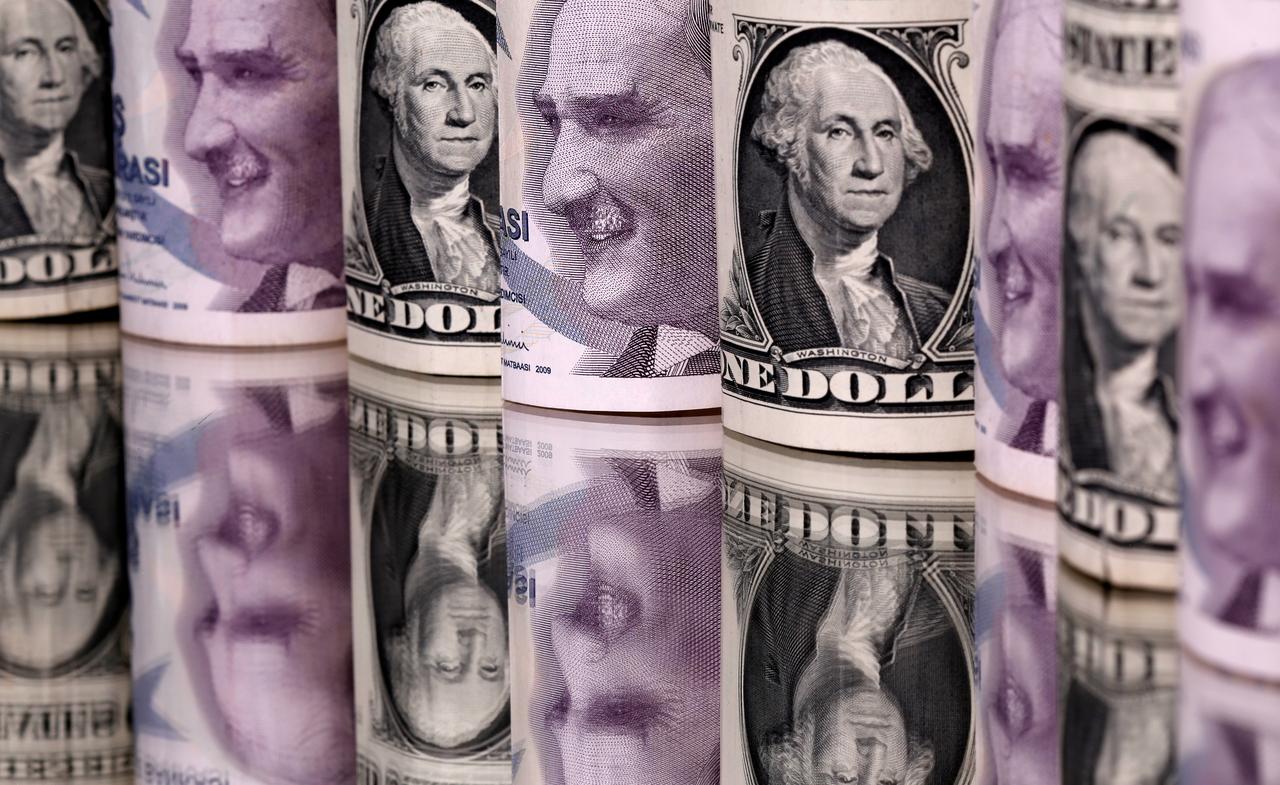 Lira
Lira
After the Turkish Central Bank (CBRT) cut its policy rate by 300 basis points to 43%, the financial markets witnessed a sudden and mysterious midnight spike in the USD/TRY rate, briefly hitting 40.89 before quickly retreating. The flash move baffled many—until economist Iris Cibre stepped in with a sharp explanation: “The swap classic failed—someone left the quote empty.”
The Thursday Swap Play That Backfired
According to Cibre, every Thursday evening, a known strategy unfolds among major market players:
-
Big banks or funds sell off large amounts of USD near the market close.
-
They convert it into Turkish lira and use it in a three-day swap operation to gain high overnight interest through the weekend.
-
Once Asian markets open past midnight, they buy back the dollar—ideally at a similar price—and pocket the interest spread.
But this time, post-rate cut volatility disrupted the cycle. Cibre explains that during the USD buyback phase, there were no sufficient sell offers (quotes) in the market. This absence left dollar buyers facing an inflated rate of 40.89, which triggered a brief but severe price spike.
“With no sellers in sight, the price jumped, and the expected 3-day swap gain vanished in seconds,” Cibre commented.
Deliberate Trap or Just a Sleepy Mistake?
While Cibre left the cause open-ended—“Was it intentional, or someone asleep at the wheel?”—her comments suggest a possible strategic trap. Some market participants may have withheld offers deliberately, catching regular swap players off guard.
The event underscores the heightened fragility of Turkish financial markets, especially in the wake of surprise policy moves. It also reveals the intense maneuvering among institutional players, where minutes of illiquidity can flip profit into loss.
A Glimpse Into Behind-the-Scenes Market Turbulence
This episode wasn’t visible to most retail traders but speaks volumes about the risk-laden tactics in currency markets. It also casts new light on the immediate consequences of CBRT’s easing path, suggesting that even well-rehearsed institutional strategies are now vulnerable to abrupt changes and unexpected liquidity voids.
Related articles
Türkiye’s Central Bank Signals Readiness to Act if Inflation Risks Rise Again

Şimşek Sets His Sights on Manipulative Hedge Funds as Turkey Tightens Market Oversight

Dollar/TL Tops 40 Again Amid Fed Speculation and Political Uncertainty