Koç University Survey: Turkey’s Year-End Inflation Expectation Falls to 65%
 inflation-expectation
Koç University’s July 2025 Household Inflation Expectations Survey shows a continuing decline in inflation expectations, with year-end projections falling to 65%. Meanwhile, Turkish households are shifting their savings toward foreign currency, gold, and fixed-term lira deposits.
Year-End Inflation Forecast Drops to 65%
The survey, conducted with 2,486 respondents between July 1–10, reveals a year-end inflation expectation of 65%, down from 67% in June. The 12-month forward inflation expectation also fell to 61%, from 63% the previous month. Meanwhile, perceived inflation over the past 12 months was reported at an average of 71%.
Researchers attribute this improvement to the fading influence of the “March 19 effect,” referencing the policy shock following the Central Bank’s surprise rate hike. However, the report also notes that expectations have not fully returned to pre-March stability levels.
Growing Preference for Gold, FX, and TL Time Deposits
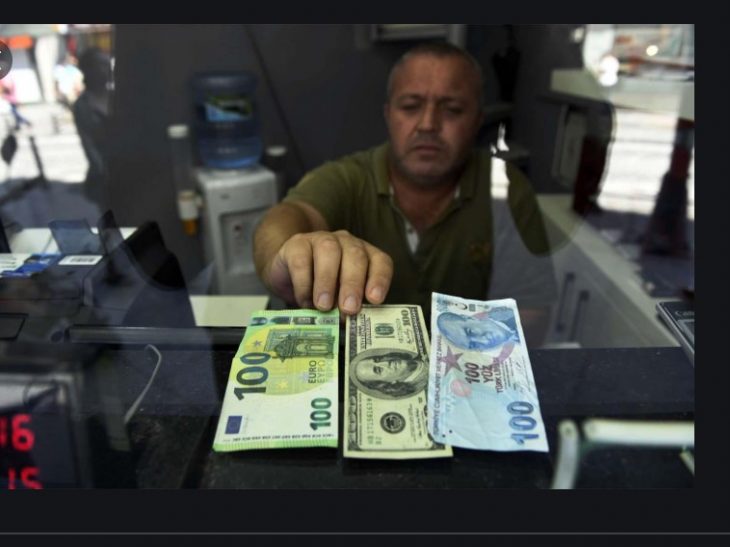
The report provides fresh insight into Turkish households’ savings behavior amid ongoing monetary tightening. Respondents showed increased preference for gold, foreign exchange, and time-based Turkish lira deposits. While FX demand has not completely subsided, the post-March policy tightening appears to have partially curbed dollarization.
The survey also identifies key demographic patterns:
-
Lower-educated individuals showed a higher inclination to invest.
-
Among highly educated respondents, the share of those who do not plan to save at all has increased.
Trust in Policymakers Shapes Inflation Outlook
Trust in economic policymakers emerged as a decisive factor in shaping inflation expectations. Those who expressed greater confidence in authorities reported higher inflation expectations, suggesting they anticipate looser policies ahead. Conversely, distrustful groups saw their expectations decline.
Income-Based Divergence in Expectations
The study also uncovered notable disparities based on income:
-
Low-income households tended to have lower inflation expectations.
-
Middle- and high-income groups reported higher expectations, reflecting a more immediate sensitivity to price increases.
Summary: Expectation Recovery Uneven Across Society
Koç University’s July report concludes that household inflation expectations are improving, but the recovery remains uneven and fragmented. Key determinants include income level, education, and trust in policy. While the outlook has stabilized, significant variations persist in how households interpret and respond to inflation dynamics.
IMPORTANT DISCLOSURE: PA Turkey intends to inform Turkey watchers with diverse views and opinions. Articles in our website may not necessarily represent the view of our editorial board or count as endorsement.
Follow our English language YouTube videos @ REAL TURKEY: https://www.youtube.com/channel/UCKpFJB4GFiNkhmpVZQ_d9Rg
And content at Twitter: @AtillaEng
Facebook: Real Turkey Channel: https://www.facebook.com/realturkeychannel/