Turkey’s Role in the South Caucasus: A Strategic Test for the EU
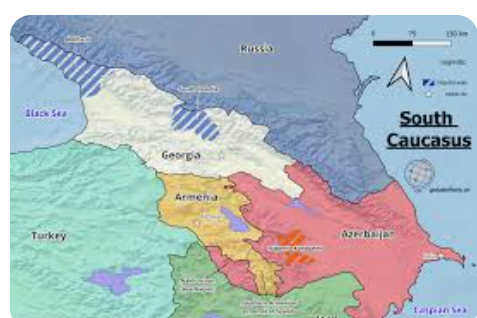 south caucusus
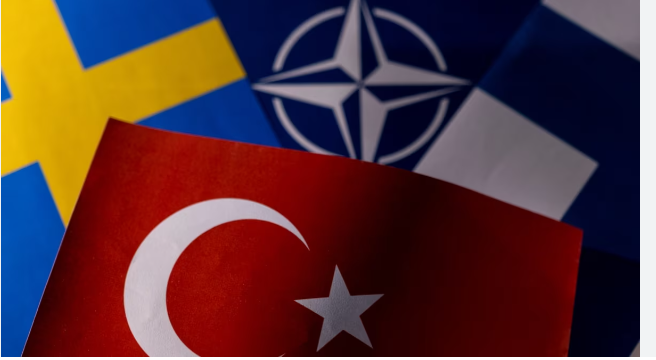
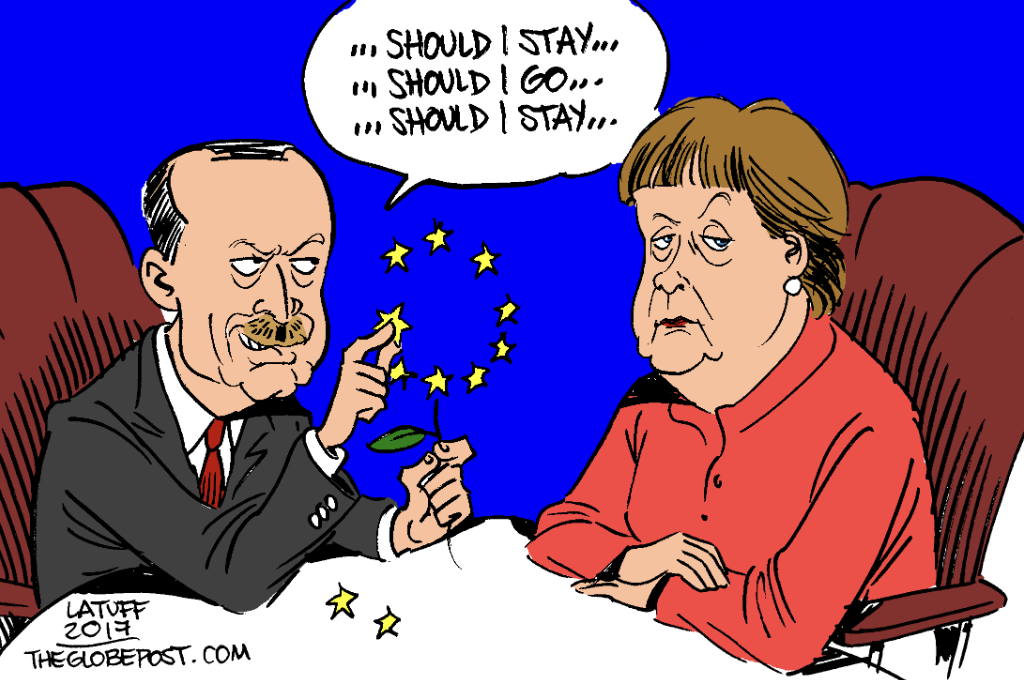
Turkey’s deepening presence in the South Caucasus presents both a challenge and an opportunity for the European Union. While Ankara and Brussels share common goals—regional stability, reduced Russian and Iranian influence, and greater East-West connectivity—their policies remain misaligned. With the Middle Corridor and Zangezur Corridor projects gaining urgency, the EU must decide: work with Turkey, or risk being sidelined.
Shared Interests, Conflicting Approaches
Both Turkey and the European Union want a stable, connected South Caucasus. They support the normalization of Turkish-Armenian ties, a lasting peace between Armenia and Azerbaijan, and the activation of the Middle Corridor as an East-West trade route via Anatolia. They also aim to counterbalance Russian and Iranian regional influence.
Yet Brussels does not treat Ankara as a strategic partner in the region. France, in particular, views Turkey as a rival rather than an ally—suggesting that the South Caucasus remains within a presumed EU sphere of influence. This attitude clashes with realities on the ground.
U.S. and EU Unease Over Turkish Influence
Washington, too, has shown ambivalence. After the 2020 Second Karabakh War, Turkey gained a military foothold in Azerbaijan—its first such presence in the region since the Cold War. Though the U.S. supports East-West trade connectivity in principle, it also backs rival initiatives, such as the India–Middle East–Europe Corridor (IMEC), which sidestep Turkey.
There’s growing concern in Ankara that neither the U.S. nor EU treat Turkey as a true partner, instead viewing it as a power to be restrained—even as Ankara balances Russian and Iranian influence more actively than any Western actor.
The Middle Corridor: A Race for Influence
The EU and Turkey both seek to build out the Middle Corridor—a vital infrastructure and energy route from Central Asia to Europe via Turkey and the South Caucasus. But if the EU stays passive, Turkey is ready to move forward bilaterally with Azerbaijan and Kazakhstan.
Still, regional powers such as Kazakhstan have signaled willingness to prioritize EU interests—if offered the right incentives (e.g. €10 billion in corridor investment), even at the expense of Turkish core concerns like Northern Cyprus. Turkish officials have described these shifts as a “disaster,” partly blaming Ankara’s own inconsistent foreign policy.
Strategic Vision: The Turkic States Connection
Turkey envisions connecting itself to the Organisation of Turkic States through Georgia, Azerbaijan, and potentially Armenia, if the Zangezur Corridor is realized. This would create a geopolitical and economic bloc based on cultural ties and shared infrastructure.
Ankara believes its military, commercial, and historical assets position it uniquely to counter Russia and Iran—while also providing Armenia with an exit from excessive Russian dependency. But without EU cooperation, this vision may become exclusionary rather than complementary.
Policy Recommendations: From Distance to Dialogue
The Center for Applied Turkish Studies (CATS) recommends that the EU reframe its approach and embrace structured engagement with Turkey in the region:
-
High-level summits with Turkey, Azerbaijan, Armenia, and Georgia to coordinate peace and trade agendas
-
Invite Turkey to EU foreign ministers’ informal meetings for policy alignment
-
Include Turkey in Eastern Partnership discussions and integrate its views into joint initiatives
-
Leverage shared membership in the OSCE and Council of Europe to form joint working groups
-
Boost diplomatic engagement via regular High-Level Political Dialogue meetings
-
Provide financial support to Turkish-led infrastructure initiatives via the Global Gateway, EBRD, and EIB
-
Encourage EU participation in the Zangezur Corridor to ensure Armenia’s inclusion
-
Deepen ties with Turkey’s TİKA development agency, which is active in the South Caucasus
-
Host joint Turkey–EU–South Caucasus business forums for long-term investment and sustainable development
-
Expand free trade agreements with South Caucasus states to build economic integration
A Window of Strategic Opportunity
Ankara remains convinced that—under the right conditions of respectful, equal partnership—the EU can be a force multiplier in stabilizing the South Caucasus. Brussels must choose whether to engage with Turkey as a true regional stakeholder or risk irrelevance in a region where Ankara already holds sway.
Source: Center for Applied Turkish Studies
IMPORTANT DISCLOSURE: PA Turkey intends to inform Turkey watchers with diverse views and opinions. Articles in our website may not necessarily represent the view of our editorial board or count as endorsement.
Follow our English language YouTube videos @ REAL TURKEY: https://www.youtube.com/channel/UCKpFJB4GFiNkhmpVZQ_d9Rg
And content at Twitter: @AtillaEng
Facebook: Real Turkey Channel: https://www.facebook.com/realturkeychannel/