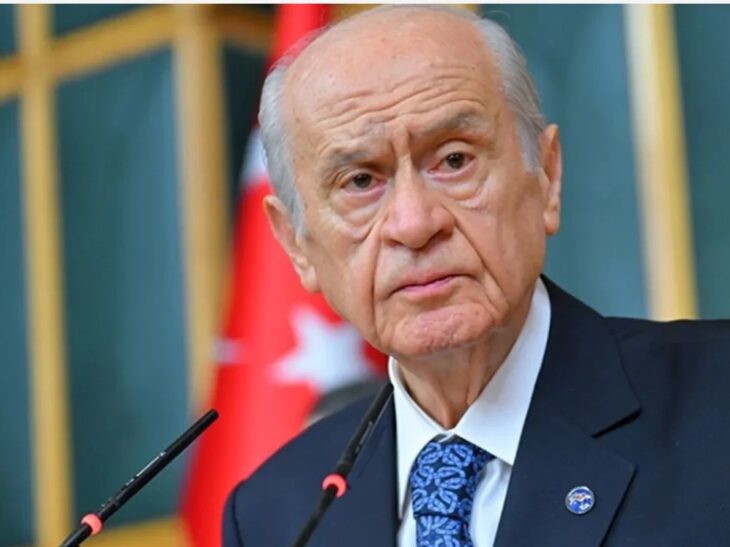
Kurdish Disarmament Begins: A Turning Point in Turkey’s Decades-Long Conflict?
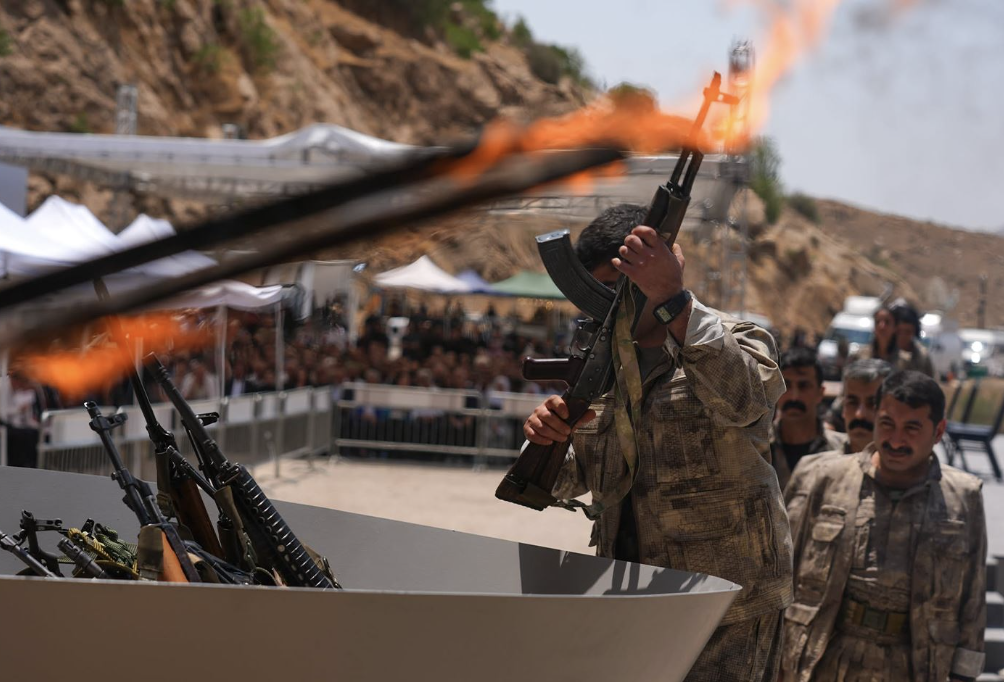 PKK Disarmament
The world’s largest stateless ethnic group, the Kurds—estimated at 25 to 30 million—span across Turkey, Iraq, Iran, and Syria. Their long fight for self-determination has made the Kurdish issue one of the most sensitive geopolitical topics in the Middle East. Now, for the first time in over four decades, a significant shift may be underway.
PKK Declares Disarmament After 40-Year Conflict
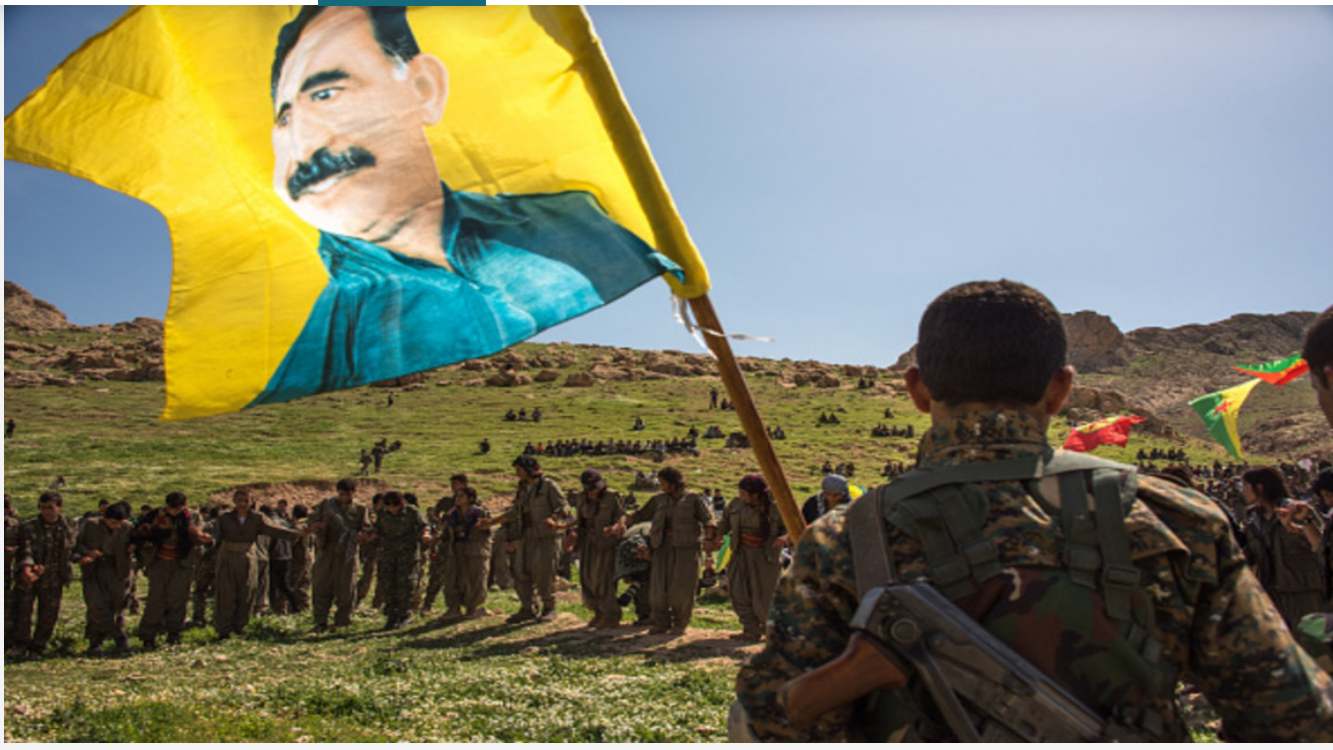
The Kurdistan Workers’ Party (PKK), which has fought Turkey in a violent insurgency since 1984, has formally begun disarming. In a symbolic moment in Dukan, located in Iraqi Kurdistan’s Sulaymaniyah province, 30 PKK fighters laid down and destroyed their weapons on Friday. This follows a February call from PKK leader Abdullah Öcalan, imprisoned since 1999, urging supporters to end the armed struggle.
Turkey’s government called this act a chance for long-awaited peace and promised to work toward stability and reconciliation. However, this initial step must now be followed by concrete, reciprocal action.
Peace Hinges on Turkish Concessions
In a public statement, the PKK emphasized that while the gesture of disarmament demonstrates their desire for peace, progress depends on Turkish government responses. Among the key demands:
-
The release of Öcalan
-
Amnesty for Kurdish fighters
-
Legal reforms enabling Kurdish political participation
-
Changes to the Turkish penal code, particularly laws affecting elderly and ill political prisoners
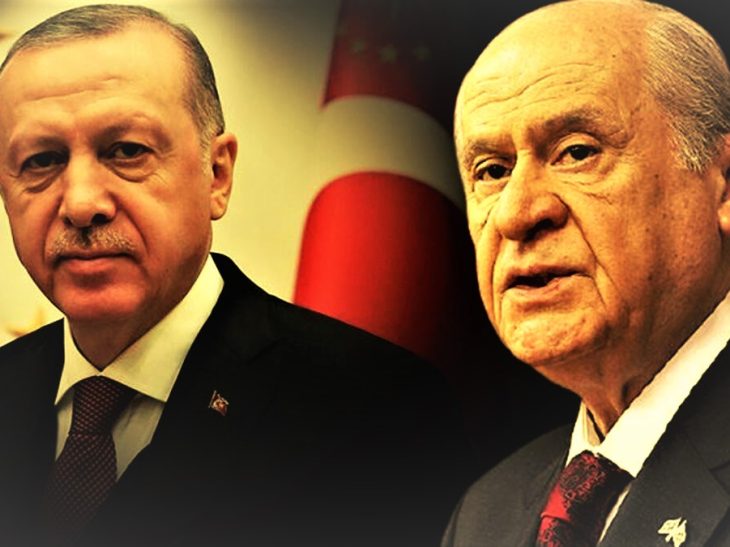
Despite these calls, Ankara has yet to take concrete steps, preferring to wait and evaluate the sincerity of the PKK’s dissolution. Turkish President Recep Tayyip Erdoğan, alongside MHP leader Devlet Bahçeli, must navigate public opinion and political alliances to move forward.
A Cautious But Historic Opening
More than 40,000 people have died in the conflict—mostly Kurdish civilians—making reconciliation deeply complex. Yet observers like Vahap Coşkun, head of the Diyarbakır Institute for Political and Social Research, note that even a symbolic act of disarmament is significant: “In all difficult peace processes, trust grows gradually. The first step is the hardest.”
Political Integration and Future Talks
The Peoples’ Equality and Democracy Party (DEM Party), a pro-Kurdish political group, announced that a parliamentary commission will be established in July to discuss a “democratic social process” starting in October. This includes deliberations on Öcalan’s status and PKK members transitioning into civilian and political life.
Plans include:
-
Designated weapon handover zones, supervised by Iraq’s federal government and the Kurdistan Regional Government (KRG)
-
Weapon registration and destruction to avoid redistribution to other Kurdish militias
The KRG in Iraq supports the reconciliation, while Ankara remains concerned about Kurdish militias like the YPG in Syria and PJAK in Iran, which could absorb disbanded PKK fighters.
Can This Peace Last?
According to Coşkun, lessons have been learned from previous failed talks. The Turkish government appears determined to move faster this time, with legal reforms planned for the fall session of parliament.
“This will require amending anti-terror laws and the law on enforcement,” Coşkun said, noting that constitutional changes may be needed to recognize Kurdish cultural and political rights.
Improving Kurdish rights domestically could also help Turkey’s foreign policy. While Ankara maintains relatively stable relations with Iraqi Kurds, tensions have flared due to the PKK’s presence. Meanwhile, the autonomous Kurdish administration in northern Syria is still seen as a threat by Turkish authorities due to its links to the PKK.
Erdoğan Calls It a New Chapter for Turkey
Speaking on Saturday, President Erdoğan hailed the beginning of disarmament:
“Today the doors of a great Turkey, a strong Turkey, a Turkish century have been opened wide.”
He called it the close of a “painful chapter” in Turkish history, long defined by violent insurgency and the scourge of terrorism.
As October approaches, the world watches to see whether disarmament will evolve into durable peace—or dissolve into the echoes of past failed attempts.
Related articles
Peace Commission Report: Virtue Signaling or Roadmap for Democratization?
Columnist Deniz Zeyrek: What is next in the Peace Process (with Kurds)?
PKK Declares End to Armed Struggle: Historic Turning Point Raises Hope—and Doubts