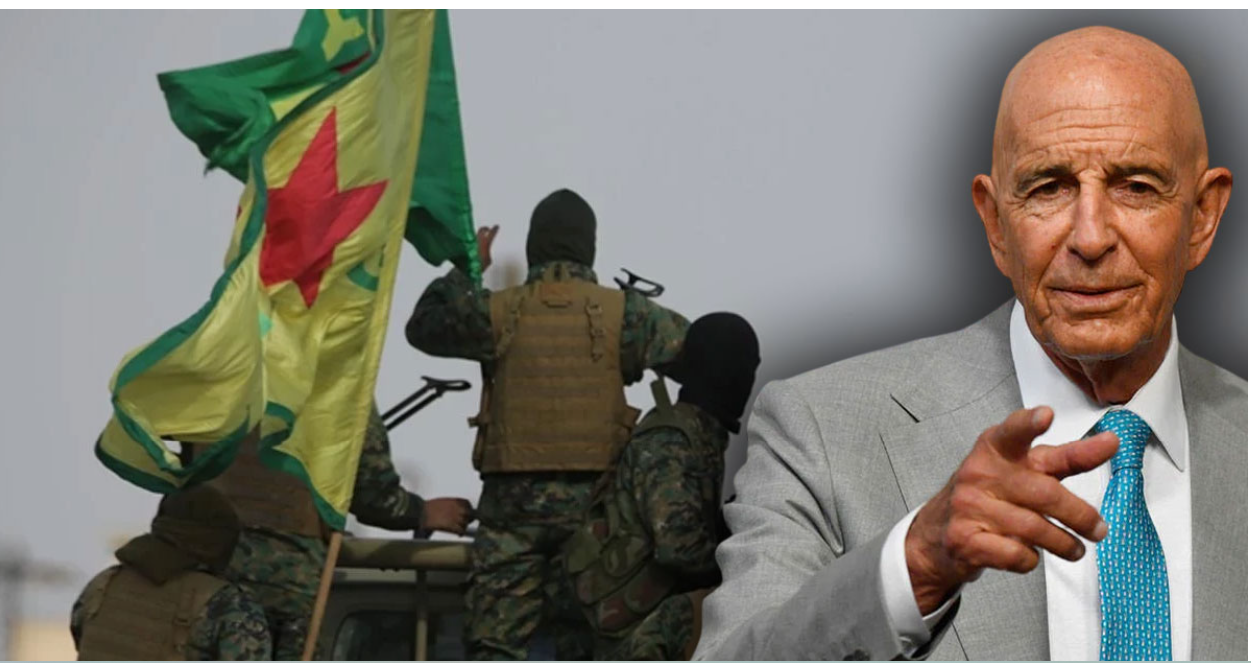
Türkiye Pushes Forward with PKK Disarmament Plan as Kalın Heads to Baghdad
 PKK
PKK
Türkiye’s intelligence chief İbrahim Kalın is set to visit Baghdad on July 8, aiming to accelerate coordination efforts surrounding a historic PKK disarmament process. The visit marks a critical phase in Ankara’s push for a “terror-free Türkiye”, a broader peace initiative gaining traction in recent months.
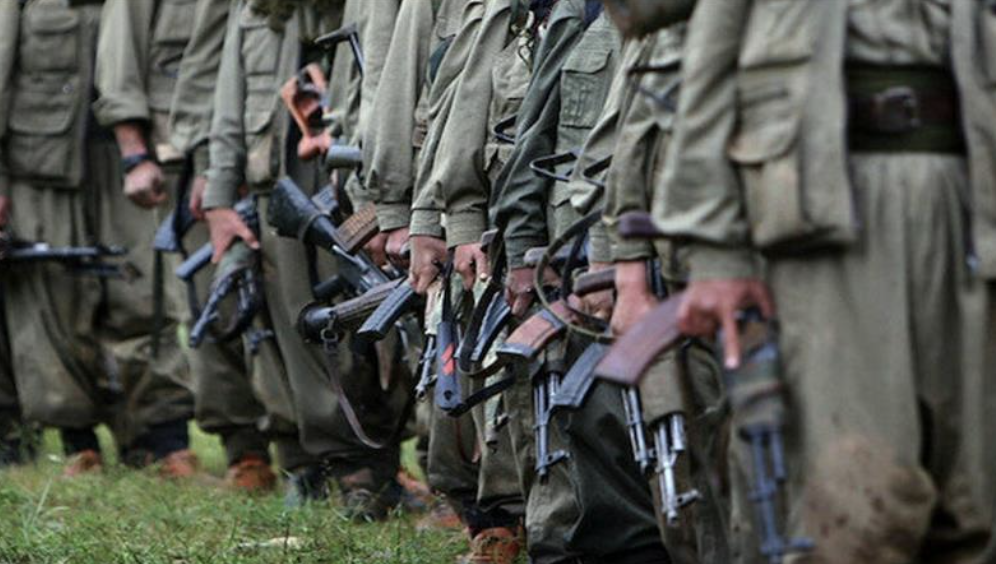
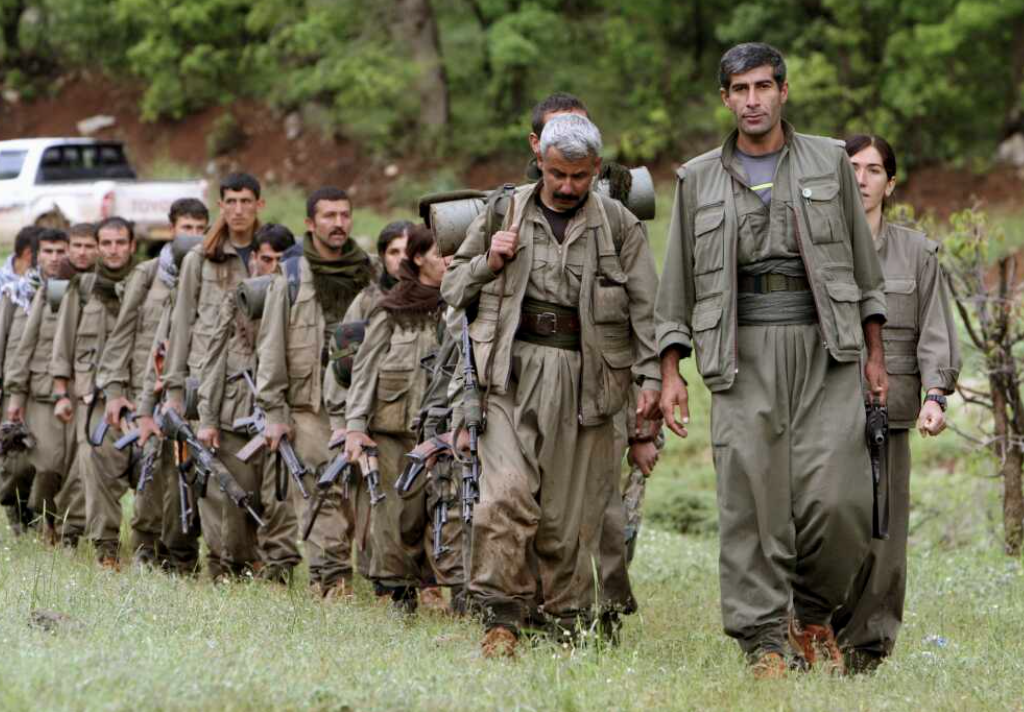
Kalın’s upcoming meetings with Iraqi and Kurdish Regional Government (KRG) officials are expected to finalize the logistics of the disarmament, including how, when, and where PKK militants will surrender their arms—an effort described as the most comprehensive of its kind in two decades.
Ceasefire and Disarmament: Momentum Builds
The disarmament roadmap was triggered in March, when the PKK declared a unilateral ceasefire, later followed by a formal commitment to disband and disarm. The move was widely interpreted as a response to calls from jailed PKK leader Abdullah Öcalan, who remains imprisoned on İmralı Island.
According to daily Hürriyet, a first group of PKK fighters is expected to lay down their weapons under the joint supervision of Turkish, Iraqi, and KRG officials. If successful, the process could culminate in full disarmament by September 2025.
Kalın’s Diplomatic Tour Gains Pace
Kalın’s Baghdad trip follows a diplomatic blitz in Erbil, where he met with:
-
KRG President Nechirvan Barzani
-
Prime Minister Masrour Barzani
-
Deputy PM Qubad Talabani
-
Interior Minister Reber Ahmed
-
KDP leader Masoud Barzani
-
Other top security officials
These meetings helped establish a multi-party framework for the disarmament process, bringing together Ankara, Baghdad, and Erbil for coordinated oversight.
Parliamentary Oversight in the Works
Following the Baghdad talks, Kalın is expected to meet Parliament Speaker Numan Kurtulmuş in Ankara to discuss the creation of a parliamentary commission to supervise and guide the peace process.
On June 24, Kurtulmuş hosted consultations with representatives from six political parties, debating whether the commission should be established through a new law or modeled after existing oversight mechanisms.
Notably, the idea of such a commission was first proposed by MHP leader Devlet Bahçeli, a staunch ally of President Erdoğan. Bahçeli has surprised many observers by emerging as a vocal supporter of the peace initiative, even suggesting that Öcalan could address Parliament if he publicly denounced terrorism.
Öcalan Visits and Political Dialogue
Adding to the momentum, delegations from the Peoples’ Equality and Democracy Party (DEM Party) were recently permitted to visit Öcalan, a rare move that has since been followed by talks with President Erdoğan and other political leaders.
These developments reflect a calculated shift in Türkiye’s internal security strategy, blending military deterrence with political dialogue, while seeking regional alignment with Iraq and the KRG.