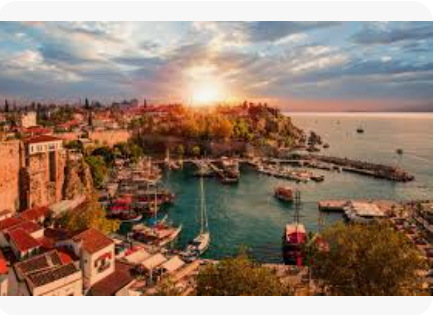
UN Warns Türkiye Faces Severe Drought and Desertification by 2030
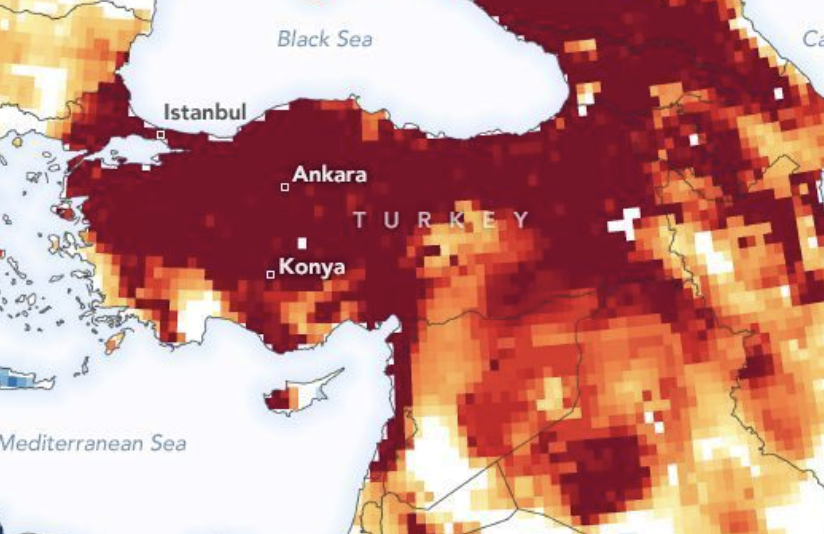 climate change
A new drought report backed by the United Nations paints a dire picture for Türkiye’s climate future, warning that the country could face severe water scarcity and desertification by 2030 if urgent action is not taken. The report, which highlights the escalating global impact of drought, places Türkiye among the most climate-vulnerable nations, especially within the Mediterranean Basin.
88% of Türkiye’s Land Faces Desertification Risk
According to the report, Türkiye’s semi-arid landscape and fragile soil structure make it particularly susceptible to climate change-driven degradation. Alarmingly, 88% of the country’s landmass is at risk of desertification—with agriculture and water resources most at risk.
By the end of the century, precipitation levels in Türkiye could drop by up to 30%, while average temperatures are projected to rise by 4–5°C. This would have devastating consequences for food production, biodiversity, and water access.
From “Water-Stressed” to “Water-Poor” by 2030
Türkiye was categorized as a “water-stressed” nation by the OECD in 2019, but current trends suggest it may fall into the “water-poor” category by 2030. Such a downgrade would mean that nearly 80% of the population and farmland could be exposed to severe drought risks, potentially affecting millions of livelihoods.
January 2025: Driest in 24 Years
The BBC cited the UN-backed report noting that January 2025 was Türkiye’s driest January in 24 years. The Southeastern Anatolia Region received just 6% of its average rainfall, while most other regions recorded under 30%, underscoring the country’s accelerating climate emergency.
“Drought Is Now a Silent Killer”
Globally, the report describes drought as a “silent killer”—one that gradually devastates ecosystems, depletes natural resources, and fuels poverty, food insecurity, and forced migration. The number of drought-prone regions worldwide has tripled over the past 40 years, driven further by climate events like El Niño.
From Africa to Southeast Asia, Latin America to Europe, nations are grappling with declining agricultural output, shrinking water sources, and loss of biodiversity—threats now clearly looming over Türkiye as well.
Agriculture Consumes 75% of Türkiye’s Water
The report highlights that 75% of Türkiye’s freshwater is consumed by the agricultural sector. As drought conditions worsen, experts urge immediate investments in alternative water sources for both drinking and irrigation.
Recommended solutions include:
-
Rainwater harvesting
-
Grey water recycling
-
Smart irrigation technologies
-
Digital agriculture systems
-
Sustainable urban planning
Without swift action, Türkiye could face water depletion on a massive scale, endangering not only food and water security, but also the stability of rural and urban communities alike.
Related articles
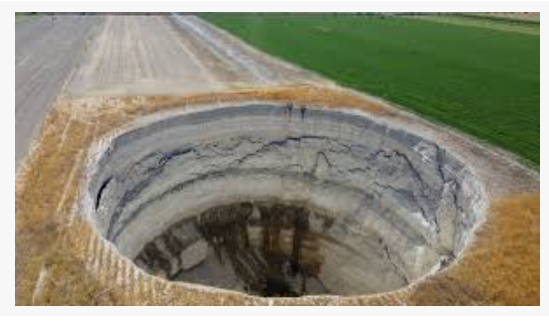
Massive Sinkholes Threaten Türkiye’s Breadbasket as Groundwater Crisis Deepens
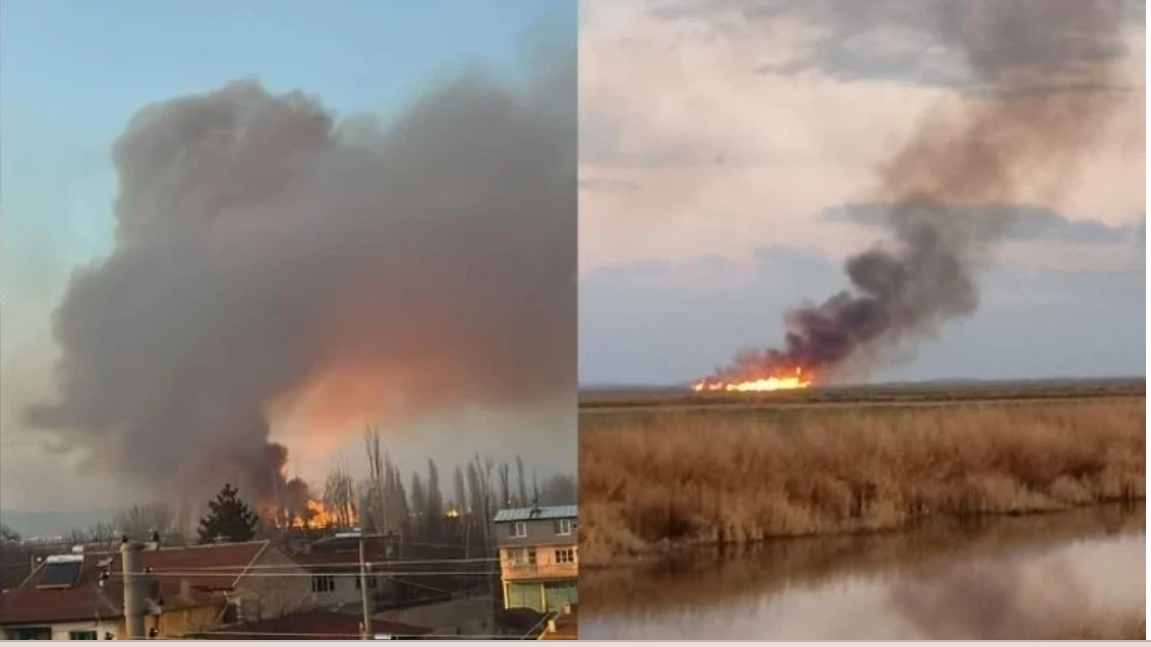
Fires Break Out at Turkey’s Eber Lake as Drought Intensifies Environmental Risks
İzmir Wildfire Contained After 21 Hours, Hundreds Evacuated Amid Scorching Heat