



Experts Warn: Snake Sightings in Istanbul Are on the Rise
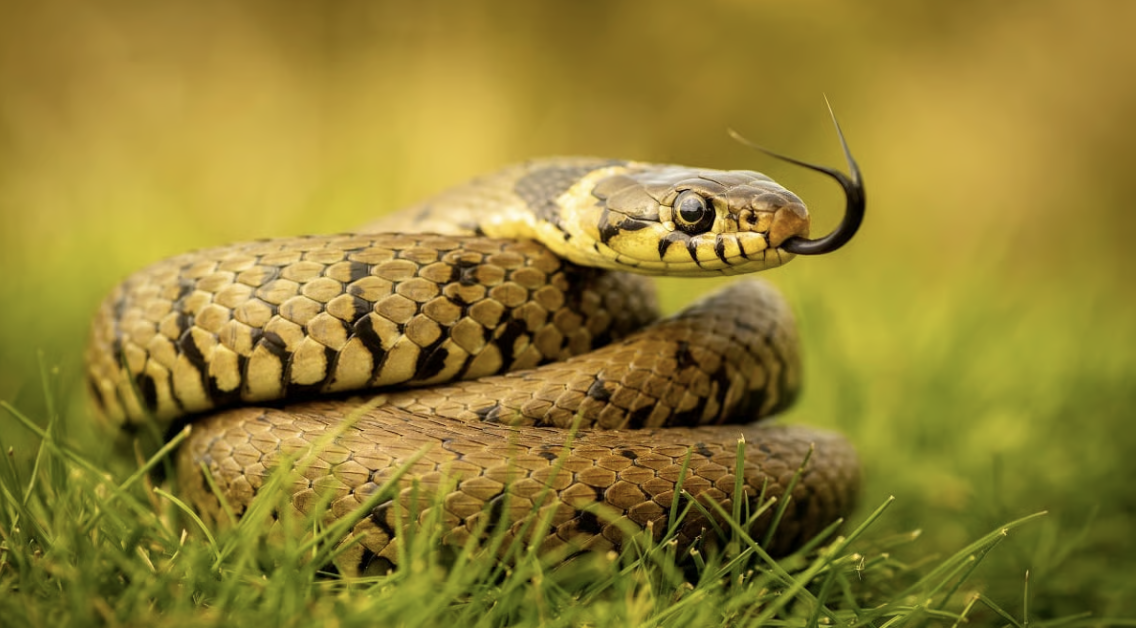 Snake sightings
Recent snake sightings in Istanbul districts like Küçükçekmece, Arnavutköy, and Sultangazi have stirred anxiety among residents, but experts emphasize that this is a natural and seasonal phenomenon, not cause for panic.
According to Dr. Ergün Bacak, a wildlife expert at Istanbul University-Cerrahpaşa, snakes are becoming more visible as they emerge from hibernation during late spring and early summer, particularly in June, which he describes as the peak activity season for snakes due to favorable weather conditions.
Only One Venomous Snake Species in Istanbul
Dr. Bacak clarified that Istanbul is home to only one venomous snake species: the Vipera ammodytes, commonly known as the horned or nose-horned viper. While typically non-lethal, its bite can pose a risk to children, elderly individuals, or those with preexisting health conditions, and may require medical attention.
All other commonly observed species—such as grass snakes, water snakes, house snakes, and Aesculapian snakes—are non-venomous and pose no danger to humans. In fact, these reptiles play a crucial ecological role.
Snakes: Silent Protectors of the Ecosystem
Snakes contribute significantly to natural pest control by feeding on rodents like mice and rats, which can carry diseases and damage crops. Dr. Bacak stressed:
“By killing snakes, we destroy natural pest control and disrupt organic farming potential. Even venomous snakes should not be killed unless absolutely necessary.”
What to Do If You See a Snake
Residents are urged to remain calm upon spotting a snake. Instead of harming it, they should contact local authorities such as the fire department, municipal services, or the General Directorate of Nature Conservation and National Parks. These officials are trained to safely relocate snakes without harming them or the public.
How to Identify Venomous vs. Non-Venomous Snakes
To distinguish snake types, Dr. Bacak offered simple guidance:
-
Venomous snakes tend to have vertical pupils (like a cat)
-
Non-venomous snakes typically have round pupils (like a human)
-
Non-venomous snakes are often faster and more nervous, while venomous ones are slower and more cautious
In Case of a Snake Bite
If bitten, individuals should immediately seek medical attention. Antivenom is available at major hospitals in Istanbul. Quick response is essential, particularly for vulnerable individuals.
“Replace Fear with Knowledge”
Dr. Bacak concluded with a call to shift social perception:
“Snakes are not enemies; they are part of nature. Destroying them out of fear damages biodiversity and harms ourselves. If we truly value ecological balance, we must learn to coexist with these creatures.”