Erdogan’s Turkey: Inflation, Repression, and the Tipping Point of Public Dissent
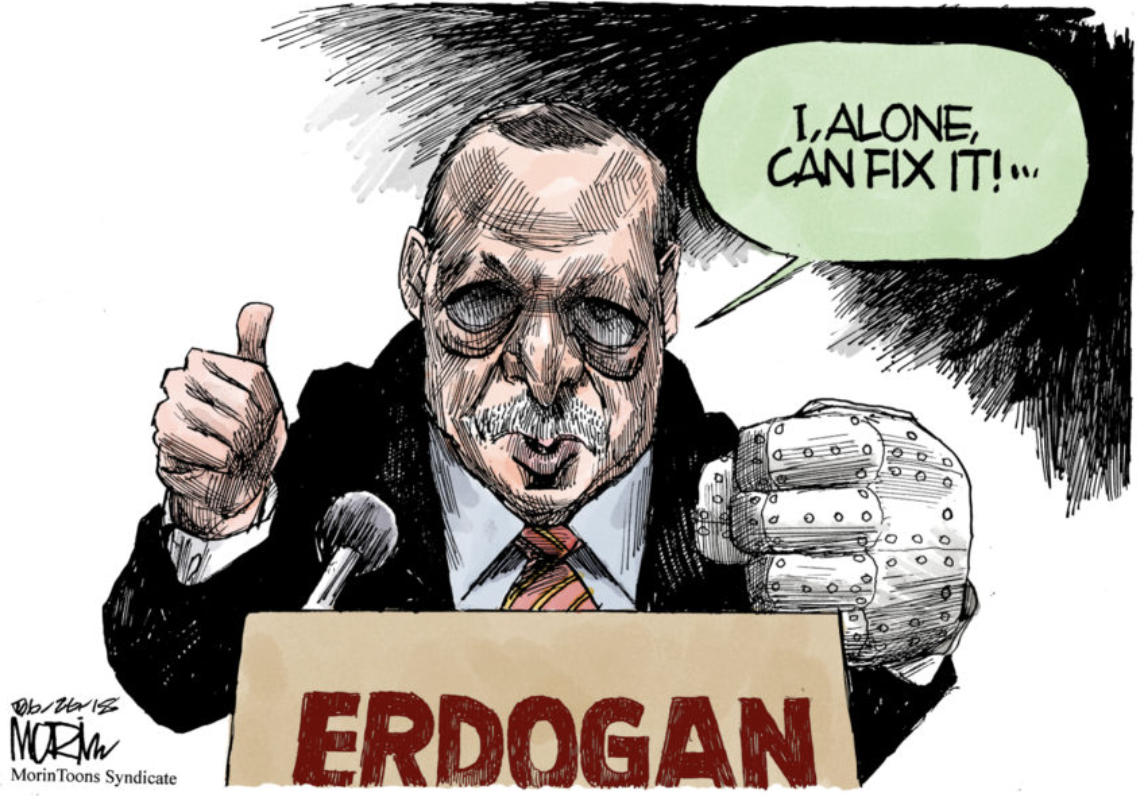 Erdoğan
For over two decades, President Recep Tayyip Erdogan has steadily tightened his grip on power in Turkey. But beneath the authoritarianism, arrests, and constitutional overhauls lies another engine of unrest: an economy in crisis.
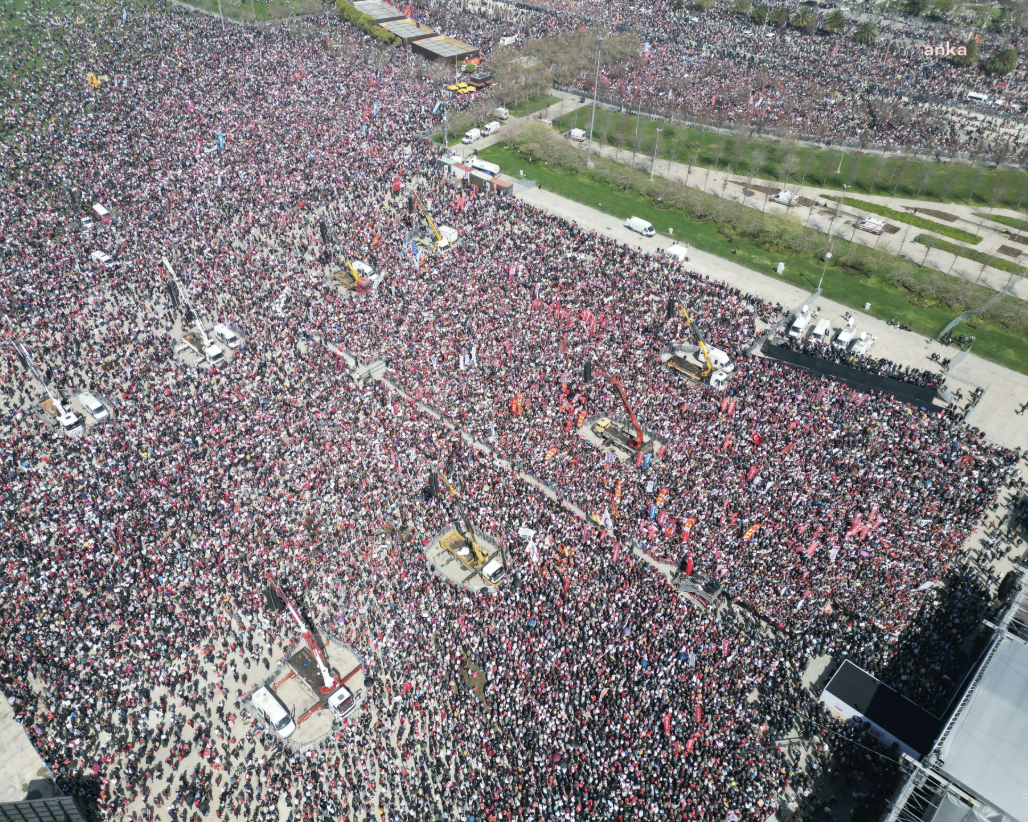
In March 2025, the arrest of Istanbul Mayor Ekrem İmamoğlu, a popular opposition leader and likely presidential contender, sent shockwaves through Turkey and abroad. But while political outrage made headlines, public frustration has been brewing for far longer—and runs deeper than any one arrest.
Economic Pain, Political Consequences
Speaking to The New Arab, Istanbul residents described the suffocating weight of a cost-of-living crisis. Young professionals like Damla, a 26-year-old lawyer, said they earn well above the minimum wage yet cannot afford to live independently. A studio apartment near her job costs as much as her monthly salary. Dinner out? 700 TL. One kilo of meat? Close to 1,000 TL.
“I often don’t make it to the end of the month without help,” she says, noting that even law firms are downsizing, and job openings are scarce. “Be grateful you have a job” has become the excuse for stagnant wages and rising workloads.
Housing is another pressure point. Damla describes landlords sidestepping rent control by forcing out tenants early, then re-renting at double the price. “Most landlords now prefer short-term contracts,” she says. “It’s become a strategy to cash in annually.”
While the arrest of İmamoğlu sparked mass protests, Damla insists the real flashpoint was economic. “That was the final straw,” she says. “People are angry and exhausted. The economy collapsed in three days.”
Cheap Money, Deep Cracks: How Did We Get Here?
To understand the roots of this breakdown, The New Arab turned to Can Selçuki, director of Research Istanbul and former World Bank economist. Selçuki argues that Turkey’s current problems are the result of a flawed growth model born out of the post-2001 IMF reforms.
“The economy grew, yes,” he says. “But it was fueled by cheap foreign money and domestic consumption, not deep reform.” That equilibrium unraveled in 2018, and the pandemic only accelerated the decline.
By 2021, the government embraced low interest rates and currency depreciation to stimulate exports. But without structural changes, it triggered runaway inflation and a surge in foreign exchange demand from households, who simply didn’t trust the system.
Since 2023, Turkey has tried to tame inflation through monetary tightening, but the results have been painful and slow. “No fiscal support, no wage adjustments,” Selçuki says. “This isn’t stabilization—it’s a squeeze.”
The assumption that a weaker lira boosts exports is, in his view, a myth: “Nearly 70% of Turkish exports rely on imported inputs, so depreciation just raises production costs. The result? Firms are relocating to cheaper countries like Egypt.”
Broken Trust, Shrinking Potential
Selçuki points out that inflation expectations diverge wildly. “The Central Bank predicts 24% in 2025. Markets say 30%. Households expect 60%. Nobody trusts the target.”
Consumer behavior has shifted accordingly. “People spend fast—not because they want to, but because their money loses value daily. This isn’t a savings economy. It’s survival mode.”
Behind the numbers lies massive hidden unemployment. While the official jobless rate is 8.5%, real unemployment may be as high as 27%, with youth and women disproportionately affected.
Meanwhile, foreign direct investment has evaporated, having peaked in the early 2000s when Turkey still had EU accession credibility.
The real estate market adds further stress. Rent caps lifted, landlords are “making up for lost time,” and urban renters are being priced out.
Selçuki warns: “Inflation might fall. But if nothing changes, the cost will be devastating—shrinking businesses, rising inequality, and a poorer country with less global competitiveness.”
Power, Paranoia, and Protest
Economist Henri Barkey, a senior fellow at the Council on Foreign Relations, sees politics, not economics, driving recent repression. İmamoğlu’s arrest, he argues, is a desperate act.
“Erdogan knew there’d be backlash,” Barkey says, “but not like this. He miscalculated. İmamoğlu is popular, effective, and charismatic.”
The government’s 2025 primary elections were poised to consolidate opposition support behind İmamoğlu. Erdogan moved early—possibly to avoid a constitutional dilemma about running for a third term—by jailing his rival and provoking chaos.
But the opposition responded strategically, opening primaries to the public. Half a million people stood in line to vote. “For once, they did something smart,” says Barkey.
Erdogan’s economic pivot, appointing Mehmet Şimşek post-2023, raised hopes but failed to deliver. Investors, Barkey says, quickly realized reform without political will means nothing.
And the arrest of İmamoğlu sent a chilling message: “$20 billion was spent defending the lira that day. It still lost value. Investors now fear political risk more than inflation.”
A Turning Point?
As discontent spreads, Barkey believes the regime faces unprecedented pressure. Protests are growing, not just in size but in sophistication—boycotts, organizing, civil resistance. But the regime is also tightening its grip, with media blackouts, arbitrary arrests, and dissent criminalized.
Barkey predicts Erdogan will try to exit on his own terms. “He might cite health issues, or trigger early elections to sidestep term limits. But this system is collapsing under its own economic weight.”
He concludes, “Erdogan once opened the system. Now he’s closed it. And with inflation, joblessness, and repression mounting—people are ready for change.”
Related articles
Mustafa Bilge Altun: From Student to Business Empire Fueled by Corruption and Favoritism
Turkey Better Positioned Amid Global Trade Risks: Şimşek
Berkay Gezgin to File Criminal Complaint Against Cem Küçük Over “False Claims”