



Türkiye’s Current Account Deficit Drops to 0.8% of GDP, Signals Potential Surplus in Coming Years
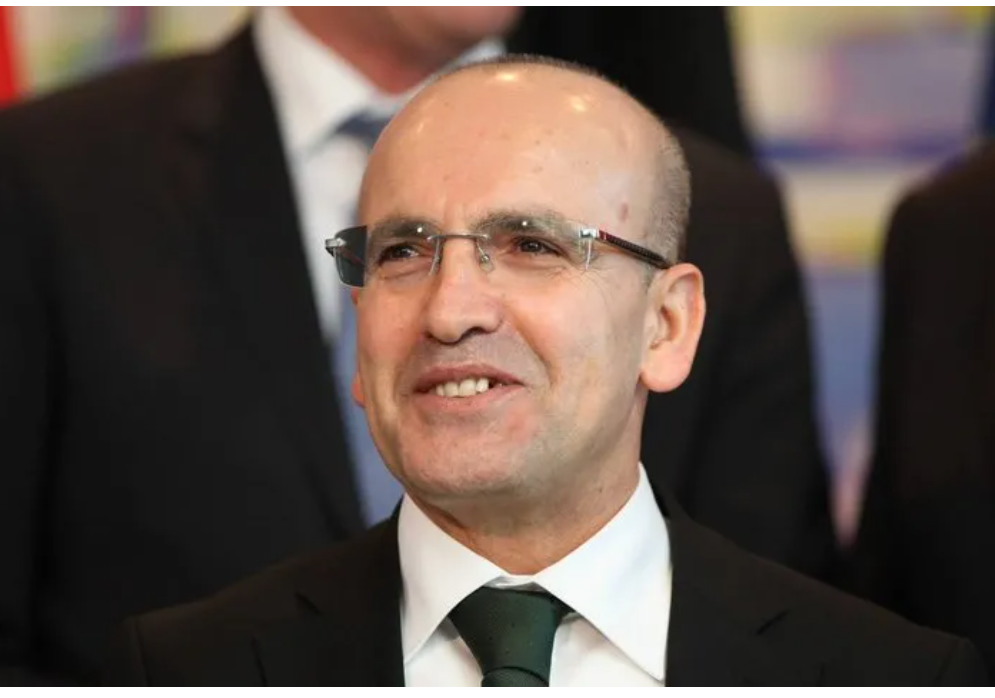 mehmet-simsek
Turkish Treasury and Finance Minister Mehmet Şimşek announced a substantial improvement in Türkiye’s current account dynamics, stating that the current account deficit (CAD) has fallen to just 0.8% of GDP, down from 5.5% in May 2023.
“This is a dramatic decline,” Şimşek said during a Financial Literacy Day event, adding, “In the coming years, we might begin to discuss a current account surplus.”
External Balance Improves Sharply
The minister emphasized that Türkiye no longer faces difficulties in accessing foreign financing, thanks to improved macroeconomic discipline and investor confidence.
Despite expectations for a slight rise in the deficit in 2025, Şimşek said that the current account gap would remain modest, projecting a CAD of 1.5% of GDP for the next year.
Key Highlights from Şimşek’s Remarks:
-
Current Account Deficit: Fell from 5.5% to 0.8% of GDP in one year
-
2025 Forecast: CAD expected at ~1.5% of GDP
-
External Funding: “No issues accessing international capital”
-
Top Priority: Combatting inflation and restoring purchasing power
-
Monetary Preferences: “Citizens are gradually shifting back to the Turkish lira”
Green Transition Supports Energy Independence
Şimşek also outlined Türkiye’s accelerated green transformation, noting that an increasing share of the country’s energy needs is being met via renewable sources. The expansion in domestic oil production and renewable energy infrastructure is expected to ease the pressure on the trade and current account balances.
“These trends will contribute positively to our external position,” he said.
Inflation Targeting Remains Core Policy Focus
Addressing inflation, Şimşek reaffirmed that the fight against cost of living is the government’s top priority. The current macroeconomic policy framework is designed to curb inflation in 2025 and gradually restore household purchasing power.
“We are determined to reduce inflation and protect citizens’ real incomes. This will remain our foremost objective,” Şimşek stated.
Fiscal Resilience, Energy Independence, and Sustainable Growth
The sharp decline in the current account deficit, the shift back to local currency preferences, and the growth in green energy signal improving economic fundamentals. Analysts view this progress as essential for maintaining currency stability, foreign capital inflows, and structural economic resilience.