PKK Declares End to Armed Struggle: Historic Turning Point Raises Hope—and Doubts
 pkk4
pkk4
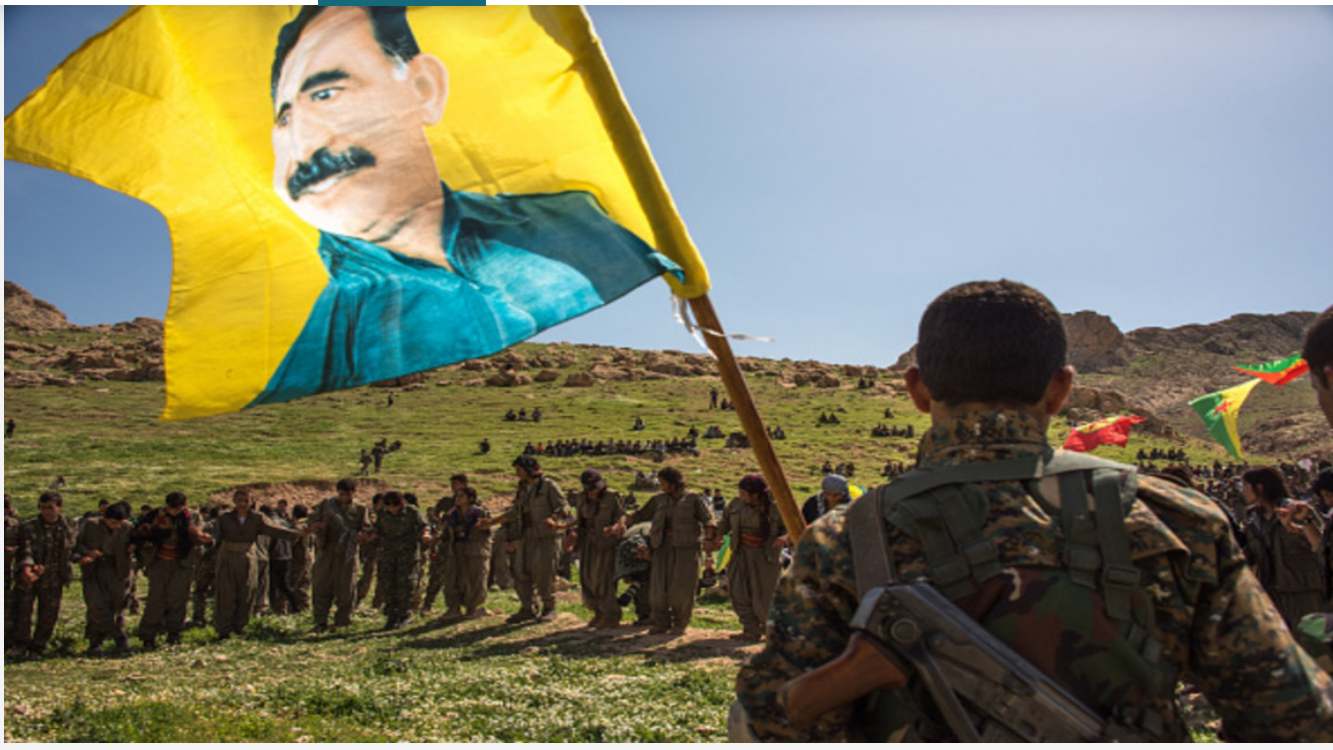
Istanbul/Sulaymaniyah/Ankara – The Kurdistan Workers’ Party (PKK) has officially declared an end to its decades-long armed insurgency, announcing on 12 May that it will disband its military wing and pursue Kurdish rights through political and civil means. The announcement, following a party congress held in Iraq’s Kurdistan Region, marks a historic turning point in Turkey’s long and violent Kurdish conflict—but one that raises just as many questions as it answers.
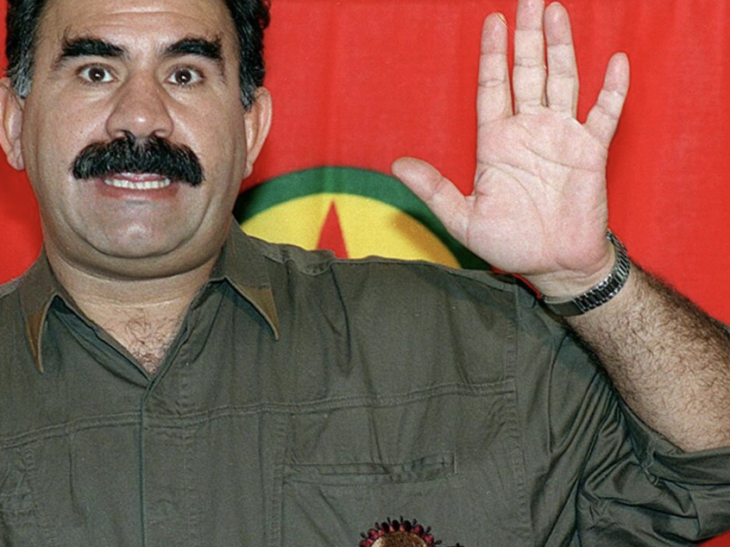
The decision reportedly follows a February appeal by the PKK’s imprisoned founder Abdullah Öcalan, who argued that armed struggle was no longer viable in an era of “democratic possibilities.”
Öcalan’s Call Triggers Generational Shift
Öcalan, jailed since 1999, had previously justified the PKK’s militancy as a response to Turkey’s closure of democratic channels to Kurds. But in his latest message, he stated that “there is no alternative to democracy” and called for a political settlement.
The PKK leadership endorsed this message at its May congress, pledging to dismantle its organizational structure and urging the Turkish state to engage in a democratic process for peace.
Political Reactions in Turkey: Support and Skepticism
The Turkish political establishment has responded with mixed signals. Devlet Bahçeli, leader of the ultranationalist Nationalist Movement Party (MHP), unexpectedly called for the creation of a cross-party “Commission for a Terror-Free and United Turkey” within parliament to guide the post-disarmament transition. His statement drew rare bipartisan interest.
Parliament Speaker Numan Kurtulmuş supported the idea, stating that once arms are fully surrendered, parliament would be the legitimate forum to discuss reconciliation, both politically and legally. “All political parties must take part in this process,” he said.
However, the ruling Justice and Development Party (AKP) pushed back. Party Vice Chair Zafer Sarıkaya expressed doubt over engaging parliament in any process “as long as weapons remain in the conversation.”
Still, the idea of a parliamentary solution received a strong endorsement from Istanbul Mayor Ekrem İmamoğlu, currently jailed in Silivri. In a written statement, he called for a “Commission for a Democratic and Terror-Free Turkey”, involving all parliamentary parties. He described such a step as “a responsibility to our nation.”
Lack of Transparency Fuels Uncertainty
Observers note that while the PKK’s announcement is historic, the opaque nature of the negotiations raises concerns. According to Dr. Dastan Jasim, an analyst with Germany’s GIGA Institute, substantive talks have taken place quietly between Öcalan, top PKK figures, and Turkish intelligence—not through a transparent or legally defined process.
“This isn’t a peace process embedded in a democratic framework,” she said. “We don’t know how far-reaching the decisions are, nor the level of mutual commitment.”
Jasim adds that many Kurds in Turkey are now watching closely: Will Ankara ease restrictions on Kurdish cultural expression, release political prisoners like Öcalan or former HDP co-leader Selahattin Demirtaş, or tolerate renewed Kurdish political organizing?
Geopolitical Drivers: Syria and Beyond
The timing of the disbandment aligns with broader regional shifts. Turkey’s involvement in northeastern Syria, where it opposes Kurdish-led autonomous zones, has stretched its military and diplomatic resources. The fall of Bashar al-Assad’s regime and the emergence of a transitional Syrian government have altered Ankara’s calculations.
Analysts suggest Turkey is attempting to de-escalate in its Kurdish-majority southeastern provinces to better manage the complex security environment in Syria. Stabilizing the home front may also aid President Recep Tayyip Erdoğan, whose current term expires in 2028, as he reportedly seeks to amend the constitution to extend his rule.
Legacy Politics
Both Erdoğan and Öcalan may also be thinking of their legacies. Öcalan, 74, and Erdoğan, 71, have dominated Turkey’s political stage for decades. Ending the PKK-Turkey conflict could define how both leaders are remembered—one as a militant-turned-statesman, the other as a national unifier.
Fragile Hope, Tentative Steps
Though historic, the PKK’s disarmament raises difficult questions: Will the group truly dissolve? Will the Turkish state reciprocate with reform? And can mutual distrust be overcome?
“This is a generational shift,” said Jasim. “But while Kurdish actors across Turkey, Syria, and Iraq are now engaging governments politically, no one knows whether those ties will be empowering—or exploited.”
A Historic Opportunity with No Guarantees
The PKK’s decision is unprecedented and has the potential to reshape Turkish politics, unlock constitutional reform, and calm regional tensions. But whether it leads to lasting peace or proves another short-lived ceasefire will depend on both parties’ willingness to act transparently and in good faith.
IMPORTANT DISCLOSURE: PA Turkey intends to inform Turkey watchers with diverse views and opinions. Articles in our website may not necessarily represent the view of our editorial board or count as endorsement.
Follow our English language YouTube videos @ REAL TURKEY: https://www.youtube.com/channel/UCKpFJB4GFiNkhmpVZQ_d9Rg
And content at Twitter: @AtillaEng
Facebook: Real Turkey Channel: https://www.facebook.com/realturkeychannel/
Related articles
Jailed PKK Leader Urges Group to Disband in ‘Historic’ Call

The Second Phase: New Peace Message from Imrali to be Unveiled in Ankara

Politicians react to PKK leader Öcalan’s recent message